


Why Use a Maltose Stress Ball Daily?
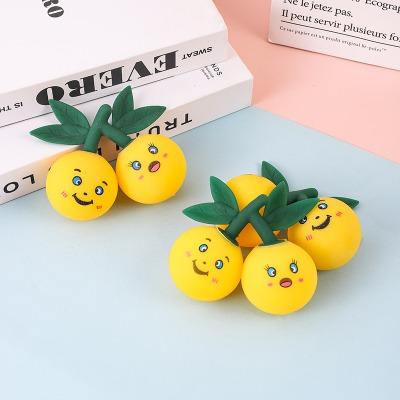
A Maltose Stress Ball is widely used as a handheld sensory tool designed to support relaxation through repetitive squeezing motion. Its effectiveness is closely tied to the internal maltose gel structure, which provides a controlled resistance that differs from standard foam or air-filled stress toys.
The key characteristic of this product is the slow rebound effect. When squeezed, the internal gel resists compression and then gradually returns to its original shape. This behavior creates a rhythmic sensory cycle that can help regulate hand movement and attention focus.
According to sensory toy research, repetitive tactile input helps the nervous system shift away from overstimulation. explains that sugar-based gel stress toys work by providing predictable pressure feedback that encourages calm attention states.
Hand Sensory Engagement
The human hand contains dense nerve endings, making it highly responsive to pressure changes. A Maltose Stress Ball leverages this sensitivity by offering:
Deep pressure stimulation during squeeze phases
Slow release feedback during relaxation phases
Continuous tactile variation without abrupt changes
The gel inside typically has high viscosity, meaning it does not instantly redistribute under force. Instead, it moves gradually, producing a “lagging squeeze” effect. This is especially noticeable when compared with lighter foam stress toys.
The shell thickness, usually between 1.3 mm and 1.8 mm, adds another layer of resistance. This combination of internal and external resistance defines the overall sensory profile.
Practical Daily Use Scenarios
Maltose Stress Ball products are often integrated into routine activities such as desk work, study sessions, and commuting. The compact size, typically around 5–7 cm diameter, allows for discreet handling without interrupting workflow.
Common usage patterns include:
Repetitive squeezing during concentration tasks
Light grip strengthening exercises for fingers
Idle hand movement regulation during waiting periods
The consistent resistance helps reduce random finger movements, which can improve focus for some users during cognitive tasks.
Stress Regulation Mechanism
The calming effect of a Maltose Stress Ball is related to predictable sensory input. When the brain receives repetitive, non-threatening tactile signals, it tends to reduce stress response activation.
This mechanism is not psychological speculation alone. It is linked to basic sensory processing pathways where rhythmic motion helps stabilize attention cycles.
The maltose gel contributes to this effect by maintaining uniform resistance across multiple squeezes. Unlike air-filled toys that collapse quickly, the gel retains structural density, allowing each squeeze to feel similar.
Material Safety and Handling Characteristics
Modern Maltose Stress Ball designs use non-toxic elastomers for outer shells. Common materials include TPU and silicone, which are known for flexibility and skin compatibility. Internal gel is sealed to prevent direct exposure during normal use.
Even though maltose originates from food chemistry, the processed gel inside is not intended for consumption. It is modified for mechanical performance rather than dietary use.
Long-Term Usage Behavior
Over time, the tactile feel of a Maltose Stress Ball may slightly change due to:
Gradual shell elasticity fatigue
Minor internal gel separation under heat cycles
Surface softening from repeated friction
However, under normal usage conditions, the structure remains stable for extended periods. The main limitation is external shell wear rather than internal gel degradation.
Overall Functional Role
A Maltose Stress Ball combines material science and sensory design into a compact object that supports hand engagement and repetitive motion. Its defining feature is the controlled viscosity of its internal gel, which creates a slow, stable squeeze response.
This makes it suitable for users seeking a consistent tactile object for daily handling, focus support, or simple hand movement activity.

 English
 Arabic
 French
 Spanish
 Portuguese
 Deutsch
 Turkish
 Dutch
Dutch
 Italiano
 Russian
 Romaian
 Greek
Greek
