


API Management Market Value From Secure Integration Faster Delivery And Productization
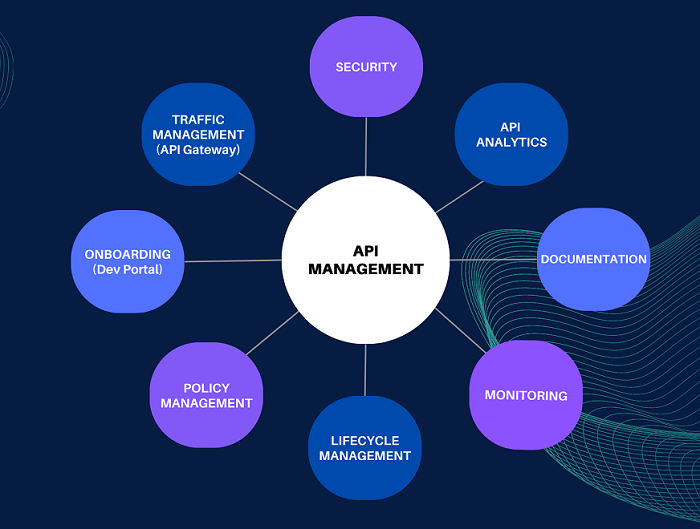
The API Management Market Value proposition is built on making digital interfaces reliable, secure, and reusable. APIs are the connective tissue of modern systems, enabling mobile apps, partner integrations, and microservices communication. Without management, API sprawl leads to inconsistent security, poor documentation, and breaking changes. API management creates value by centralizing security controls—authentication, authorization, rate limiting—and enforcing consistent policies at the gateway. It also creates value through visibility: usage analytics and performance monitoring help teams understand demand, troubleshoot faster, and prioritize improvements. Developer portals and standardized documentation reduce onboarding time for internal teams and partners. Lifecycle management creates value by controlling versioning and deprecation, reducing outages caused by breaking changes. For enterprises, this enables faster delivery because teams can reuse existing APIs instead of building point-to-point integrations. For businesses building ecosystems, API management creates monetization opportunities through usage plans, quotas, and partner access programs. Value is strongest when API management is integrated into CI/CD and governance processes, turning APIs into managed products rather than unmanaged endpoints.
Value measurement includes time-to-integrate, reduced incidents, and improved security posture. Organizations can measure reduced development effort by tracking how quickly teams can adopt existing APIs. Operational metrics include reduced API downtime, lower error rates, and faster mean time to resolve incidents through better observability. Security value can be measured through reduced abuse, fewer unauthorized access attempts, and improved compliance audit outcomes. API management can also reduce infrastructure cost by caching, throttling, and smoothing traffic spikes. For partner ecosystems, value can be measured through partner onboarding speed, API usage growth, and revenue generated through premium API access. However, value depends on adoption. If teams bypass the platform and build unmanaged APIs, the benefits are diluted. Therefore, organizations need governance: API standards, publishing rules, and an inventory of available APIs. Value also depends on documentation quality. A portal with outdated specs creates confusion and increases support burden. Automation helps maintain value by generating docs from API contracts and enforcing policy templates. Total cost of ownership includes licensing, infrastructure, and platform team operations, so value is highest when API management reduces duplication and avoids costly incidents and breaches.
Stakeholder value varies. Developers value discoverable APIs, consistent patterns, and self-service access. Security teams value centralized enforcement and monitoring. Operations teams value observability and traffic control. Product teams value faster partner integrations and the ability to treat APIs as products with SLAs and roadmaps. Business leaders value ecosystem expansion and faster digital transformation. Customers indirectly benefit from more reliable apps and faster new feature delivery. Value is also created through governance of data exposure, ensuring privacy and compliance across APIs. In regulated industries, API management enables auditable access control and consistent logging. However, poorly designed API governance can reduce value by slowing delivery. Therefore, the best programs use paved roads: standardized patterns that accelerate delivery while maintaining security. Federated governance models can maintain team autonomy while enforcing core standards. Value is also increased when API management is integrated with IAM and zero trust, enabling consistent identity-based access across services. When the platform is treated as internal infrastructure with clear ownership and metrics, value becomes durable and compounding as API reuse grows.
Long-term value will expand as organizations adopt event-driven architectures and platform engineering. API management will extend to event APIs, schema governance, and subscription controls. AI may provide better anomaly detection, documentation support, and policy recommendations, improving both security and productivity. Multi-cloud and edge deployments will increase demand for consistent policy across environments. As enterprises expose more partner APIs, monetization and billing integration will become more valuable. The market value story remains consistent: secure, scalable interfaces that enable faster innovation. Organizations that manage APIs as products—documented, monitored, versioned, and governed—will reduce integration friction and unlock new business models. In a digital economy where partnerships and APIs are strategic, API management provides a reliable foundation that protects systems, accelerates development, and supports scalable ecosystem growth.
Top Trending Reports:

 English
 Arabic
 French
 Spanish
 Portuguese
 Deutsch
 Turkish
 Dutch
Dutch
 Italiano
 Romaian
 Portuguese (Brazil)
 Greek
Greek
