


How Australia Went from a Nation of Smokers to One That Treats Cigarettes Like a Social Crime
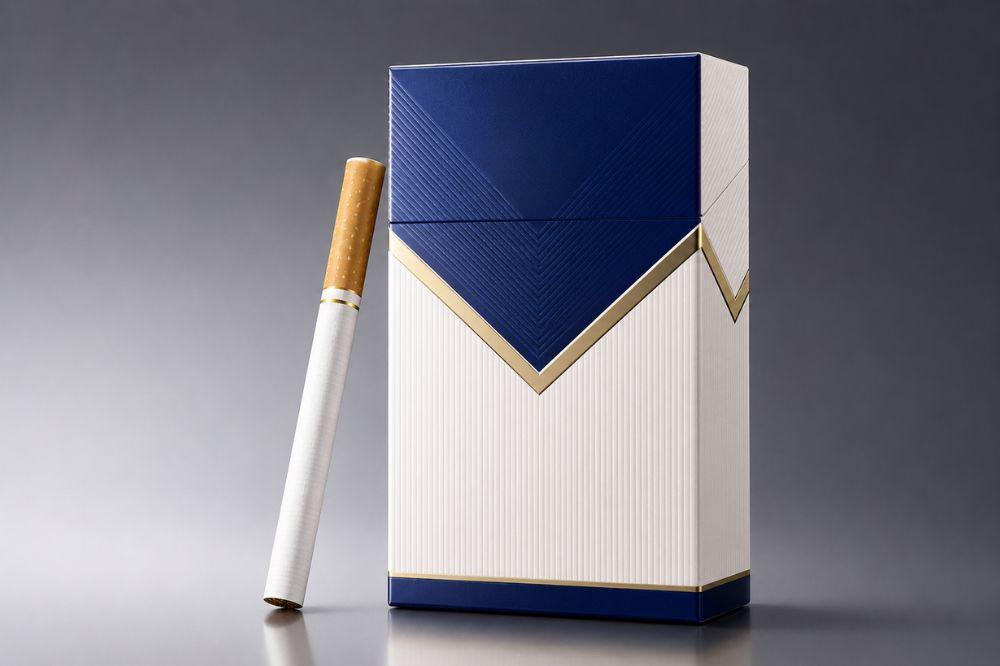
Australia's journey from a country where smoking was ubiquitous and socially acceptable to one where cigarettes are treated like a social crime represents one of the most successful public health campaigns in the world. In the 1950s, over 80% of Australian men smoked, and nearly 60% of women were regular smokers. Today, smoking rates have plummeted to under 11%, with the majority of Australians viewing smoking as harmful, unacceptable, and something to be avoided entirely.
This transformation wasn't accidental. It resulted from decades of strategic public health policy, government intervention, and cultural change that fundamentally reshaped how Australians view tobacco. The decline demonstrates what happens when a nation commits to protecting public health from the devastating effects of smoking.
The 1950s: When Smoking Was Part of Everyday Australian Life
In the 1950s and 1960s, smoking was woven into Australian culture. Cigarettes were advertised on television, radio, and in newspapers. Smoking was featured in movies, sports events, and even medical recommendations. Doctors appeared in advertisements endorsing specific cigarette brands, lending credibility to the industry's claims.
The social norm was clear: smoking was acceptable, expected, and even sophisticated. Offices were filled with smoke, restaurants had no restrictions, and public transport allowed smoking throughout. Children learned to smoke from their parents, and cigarette companies actively marketed to young people.
This era saw smoking as a harmless pleasure, a social activity, and a symbol of modernity. There was little awareness of health risks, and the tobacco industry's influence on public policy was enormous.
The 1970s: When Science First Exposed Smoking's Deadly Truth
The turning point began in the 1970s when medical research definitively proved smoking caused lung cancer, heart disease, and other deadly conditions. The Surgeon General's reports and Australian medical studies revealed that smoking killed over 15,000 Australians annually.
Public awareness started shifting when health warnings appeared on cigarette packages. The first anti-smoking campaigns launched, showing graphic images of smoking's effects. However, resistance from the tobacco industry remained strong, and smoking rates continued to be high through the 1970s and early 1980s.
Scientists and health advocates struggled against the tobacco lobby's powerful marketing and political influence. The industry dismissed health concerns as exaggerated, claiming smoking was simply a lifestyle choice.
The 1980s and 1990s: When Government Action Changed Everything
The 1980s and 1990s marked Australia's most aggressive public health campaign against smoking. The government implemented comprehensive strategies that transformed public attitudes:
Tax Increases: Cigarette prices rose dramatically through successive tax increases, making smoking financially unattractive. By 2020, cigarettes cost over $35 per pack in Australia, one of the highest prices globally.
Advertising Bans: The government banned all tobacco advertising on television, radio, and in print. Cigarette commercials disappeared from public spaces, removing the industry's marketing power.
Health Warning Labels: Cigarette packages featured graphic health warnings showing the devastating effects of smoking. These labels became mandatory and increasingly disturbing.
Public Smoking Restrictions: Smoking was banned in workplaces, restaurants, public transport, and eventually most outdoor areas. The social norm shifted from "smoking everywhere" to "smoking nowhere."
Plain Packaging Laws: In 2012, Australia became the first country to mandate plain packaging, removing all brand colours and logos. Cigarette packs became dull brown with health warnings dominating the design.
These policies fundamentally changed how Australians viewed smoking. What was once acceptable became forbidden, and smokers faced social stigma for their behaviour.
The Cultural Shift: When Smoking Became Socially Unacceptable
By the 2000s, the cultural transformation was complete. Smoking moved from being a social norm to a social crime. Australians who smoked faced judgment, exclusion, and embarrassment. Non-smokers refused to associate with smokers, and smoking became associated with poor health choices and lack of self-control.
Young people stopped smoking because it was no longer trendy or desirable. The image of smoking as sophisticated or modern disappeared completely. Instead, smoking became associated with addiction, disease, and social isolation.
This cultural shift was more powerful than any single policy. When smoking became socially unacceptable, peer pressure worked against smokers rather than encouraging them. Parents stopped smoking in front of children, and smokers hid their habit rather than display it openly.
The Results: Australia's Smoking Rate Collapse
Today, Australia's smoking rate sits at under 11%, compared to 80% in the 1950s. This represents one of the most dramatic declines in smoking rates globally. The number of smoking-related deaths has decreased significantly, and lung cancer rates are falling for the first time.
The success demonstrates what happens when a nation commits to protecting public health. Government policies, combined with cultural change, created an environment where smoking became unsustainable for most people.
What This Means for Cigarette Buyers Today
For Australians who still purchase cigarettes, the experience has changed dramatically. You must visit licensed retailers, show proof of age, and pay premium prices. Cigarettes are no longer sold in convenience stores or supermarkets, and advertising is completely absent.
Online cigarette retailers like My Cigs Australia operate in a highly regulated environment where compliance with age verification and health warning requirements is mandatory. The availability of cigarettes is restricted, and social acceptance has disappeared entirely.
When you look for Adelaide Marlboro cigarettes in South Australia, you're shopping in a market where smoking is heavily discouraged, restricted, and socially condemned. The retail experience reflects the broader cultural shift that has made smoking unacceptable in Australian society.
The Future: Australia's Continued Push Toward Smoking Eradication
Australia continues to pursue policies to eliminate smoking entirely. The government has announced plans to achieve "smoke-free 2030," with smoking rates dropping below 5%. Strategies include further tax increases, expanded smoking bans, and enhanced cessation programs.
The goal is complete smoking eradication, not just reduction. This represents the ultimate expression of Australia's transformation from a smoking nation to a tobacco-free society.
Australia's Public Health Success Story
Australia's journey from a nation of smokers to one that treats cigarettes like a social crime demonstrates the power of committed public health policy. Through tax increases, advertising bans, health warnings, and smoking restrictions, Australia fundamentally changed how its citizens view tobacco.
The result is one of the lowest smoking rates globally, fewer smoking-related deaths, and a cultural environment where smoking is unacceptable. This success proves that governments can effectively protect public health when they commit to comprehensive, sustained action against harmful products.
Australia's transformation offers a blueprint for other nations seeking to reduce smoking and protect their populations from tobacco's devastating effects.

 Arabic
 French
 Spanish
 Portuguese
 Deutsch
 Turkish
 Dutch
Dutch
 Italiano
 Russian
 Romaian
 Portuguese (Brazil)
 Greek
Greek
