


Nante Electrical Socket Box Manufacturer: Installation And Maintenance Guide
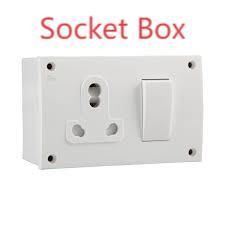
Specifying the right partner early pays dividends, because a trusted Electrical Socket Box Manufacturer placed at the center of the procurement plan can deliver accurate cutouts, reliable ingress protection, and consistent accessory compatibility. When teams evaluate products, selecting a Electrical Socket Box Manufacturer that provides clear documentation, compatibility data, and responsive technical support reduces on-site surprises and streamlines commissioning.
Core functions and why they matter
An electrical socket box is more than a receptacle holder — it is a protective system that preserves conductor integrity, prevents water ingress, and provides a safe, accessible termination point for power. For architects and engineers, the box’s role extends to integration with cable routes, coordination with finishes, and compliance with local electrical codes. Thoughtful specification helps ensure performance in diverse conditions, from residential exteriors to commercial plazas and industrial perimeters.
Materials, ratings, and environmental suitability
Material selection and certification determine how a box will perform over time. Polycarbonate and glass-reinforced plastics deliver impact resistance and UV stability for many outdoor uses, while stainless steel or powder-coated aluminum suits more aggressive coastal or industrial settings. IP and NEMA ratings communicate how well enclosures resist solids and liquids; matching these ratings to the actual exposure mitigates corrosion, short circuits, and premature failure. Also consider gasket chemistry and fastener finishes — small components frequently dictate long-term sealing performance.
Installation practices that preserve protection
Even well-designed boxes lose effectiveness when installed incorrectly. Proper mounting ensures a flat, drainable face that sheds water instead of trapping it behind the enclosure. Cable glands should be sized for conductor jackets and tightened to manufacturer torque specifications so seals compress evenly. Routing conductors with appropriate bend radii and securing strain relief prevents mechanical stress at terminations. Finally, document orientations and torque settings so future maintenance preserves the original protection level.
Compatibility with Schneider systems and other brands
Integration with established control and distribution components is often required on complex projects. Confirm that faceplate patterns, cutouts, and accessory rails are compatible with major brands such as Schneider to avoid costly on-site modifications. Suppliers who provide CAD drawings, cutout templates, and accessory kits for popular control equipment accelerate installation and reduce the risk of mismatched parts. Standardized interfaces also simplify spare-part inventories and training across multi-site deployments.
Security, accessibility, and user-centered design
Public-facing or remote installations need a balance between tamper resistance and serviceability. Lockable covers, tamper-evident fasteners, and reinforced faces deter unauthorized access and vandalism. At the same time, design for authorized technicians: provision for quick internal labeling, swing-out mounting plates, and easy-access terminal blocks speeds repairs and minimizes exposure to live parts. Thoughtful ergonomics reduce human error during maintenance and shorten mean time to repair.
Logistics, spares strategy, and lifecycle cost
Total cost of ownership depends on more than unit price. Local availability, modular accessory ecosystems, and common spare parts lower downtime risk. Maintain a small, standardized inventory of commonly used glands, gaskets, and terminal modules to expedite field repairs. When evaluating suppliers, review warranty conditions, lead times for replacements, and the availability of technical field support to make procurement decisions that align with operational goals.
Testing, inspection, and ongoing maintenance
Routine checks extend enclosure life and prevent small issues from escalating. Inspect gaskets for compression set, examine fasteners for corrosion, and verify internal wiring for discoloration under load. Periodic ingress testing after extreme weather or annual inspections helps validate continued protection. Use thermal scanning to detect overloaded terminals or increased contact resistance, and replace seals proactively in aggressive environments to avoid unexpected failures.
Future-proofing and modular design considerations
Design boxes with adaptability in mind. Leave space for additional modules, plan for spare knockout positions, and adopt standardized mounting plates to simplify later upgrades. Modular accessories — such as surge protection modules, communication outlets, or metering sockets — let facilities add functionality without replacing full enclosures. This approach reduces waste and lowers upgrade costs while enabling smoother transitions as requirements evolve.
A considered approach to specifying, installing, and maintaining electrical socket boxes reduces operational risk and improves long-term reliability for projects across residential, commercial, and industrial sectors. Choose suppliers who provide thorough technical resources, accessory compatibility, and proactive support to ensure installations perform as intended over their service life. For more product information and industry guidance, visit https://www.nante.com/

 English
 French
 Spanish
 Portuguese
 Deutsch
 Turkish
 Dutch
Dutch
 Italiano
 Russian
 Romaian
 Portuguese (Brazil)
 Greek
Greek
