Glycolic acid is an alpha hydroxy acid (AHA) commonly used for controlled exfoliation. A professional glycolic acid peel helps loosen and remove accumulated dead skin cells from the surface, which can make the complexion appear dull, rough, or uneven. glycolic acid skin care may be considered for people looking to improve the appearance of dullness, uneven tone, rough texture, superficial pigmentation, and other surface-level skin concerns.
How Does Glycolic Acid Brighten the Skin?
A buildup of dead skin cells can prevent the complexion from looking smooth and radiant. Glycolic acid helps loosen these cells, allowing them to shed more easily and revealing fresher-looking skin underneath.
Removing Dull Surface Cells
When dead cells accumulate, the skin may look tired and lackluster. Controlled exfoliation can reduce this buildup and create a cleaner, brighter-looking surface.
Improving Skin Radiance
Once excess surface cells are removed, light can reflect more evenly from the skin. This may give the complexion a smoother and more radiant appearance.
How Does Glycolic Acid Support Skin Rejuvenation?
Skin rejuvenation involves improving the appearance of texture, tone, and overall complexion. Glycolic acid contributes primarily through surface exfoliation and can make the skin look fresher and more refined.
Smoother-Looking Texture
Exfoliation can reduce rough surface buildup and help the skin feel softer. This can make uneven texture less noticeable.
Fresher-Looking Complexion
Removing dull surface cells can reveal newer-looking skin and create a more refreshed appearance.
Glycolic Acid Peel for Uneven Skin Tone
Uneven skin tone can result from sun exposure, post-acne marks, and accumulated dead cells. Glycolic acid may help improve the appearance of superficial discoloration through controlled exfoliation.
Post-Acne Marks
Dark marks that remain after acne may gradually appear less noticeable as surface cells are shed. However, deeper pigmentation may require other treatment approaches.
Sun-Related Discoloration
Glycolic acid may improve certain superficial pigmentation associated with sun exposure, but consistent sun protection remains essential for preventing further discoloration.
Glycolic Acid Peel for Dull Skin
Dullness is often associated with surface buildup, dehydration, and environmental exposure. A professional peel can help address the surface component of dull-looking skin.
Removing Surface Buildup
The exfoliating action of glycolic acid helps loosen dead cells that contribute to a rough or tired appearance.
Enhancing a Healthy-Looking Glow
After the skin recovers, it may look smoother and more radiant. Individual results depend on skin type and treatment intensity.
Glycolic Acid Peel for Rough Texture
Uneven texture can make the skin look older and less vibrant. Glycolic acid can help smooth the outer surface by reducing accumulated dead cells.
Refining the Skin Surface
Controlled exfoliation can make rough areas feel smoother and appear more polished.
Supporting Even-Looking Skin
A smoother surface can help the complexion appear more uniform. Deeper scars or significant textural irregularities may require different treatments.
Glycolic Acid Peel for Enlarged-Looking Pores
Pores can appear more prominent when excess oil and dead skin cells accumulate around them. Glycolic acid may help reduce surface congestion and make pores appear cleaner.
Reducing Surface Congestion
Exfoliation can help remove dead cells that contribute to clogged-looking pores.
Improving Texture Around Pores
As surface buildup decreases, the surrounding skin may appear smoother and more refined. Glycolic acid does not permanently change the physical size of pores.
How Glycolic Acid Works With Different Skin Types
The treatment should be adapted according to skin type and sensitivity. What works for oily skin may not be appropriate for dry or sensitive skin.
Oily Skin
Glycolic acid may help manage surface buildup associated with excess oil and congestion.
Dry Skin
Gentle exfoliation may improve roughness caused by dead skin cells, but adequate hydration is important to avoid excessive dryness.
Sensitive Skin
Sensitive or irritated skin may require a more conservative approach or postponement until the skin barrier has recovered.
How Professionals Customize the Peel
A professional may consider glycolic acid concentration, formulation, pH, application time, skin sensitivity, and treatment goals when planning the peel.
Selecting the Right Strength
A stronger peel does not automatically produce better results. Treatment intensity should match the individual's skin condition and tolerance.
Reviewing Your Skincare Routine
Tell your practitioner about retinoids, exfoliating acids, acne medications, and other active products. Some may need to be adjusted around treatment.
What Happens During a Glycolic Acid Peel?
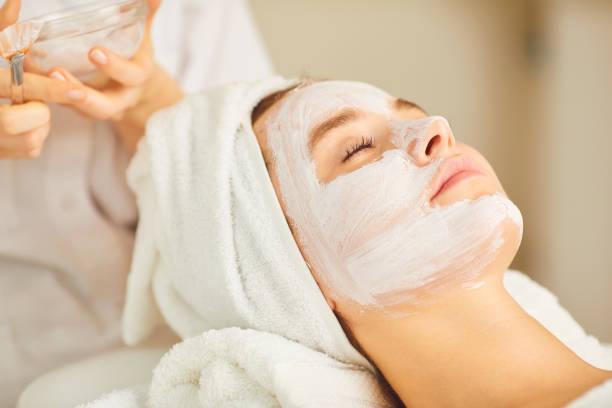
The skin is generally cleansed before the glycolic acid formulation is professionally applied. During the treatment, you may notice mild tingling, warmth, or temporary stinging.
Professional Application
The practitioner follows an appropriate treatment protocol and monitors the skin throughout the procedure.
Treatment Sensation
The sensation can vary depending on the formulation and individual sensitivity. Your practitioner can explain what to expect before treatment begins.
What Should You Expect After Treatment?
Temporary redness, tightness, dryness, or mild peeling may occur after a glycolic acid peel. Recovery varies according to treatment intensity and individual skin response.
Allow Natural Peeling
If the skin begins to flake, do not pull or pick it. Allow the skin to shed naturally.
Keep the Skin Hydrated
A suitable moisturizer can help reduce dryness and support the skin barrier while it recovers.
Why Sun Protection Is Important
UV exposure can contribute to pigmentation, dullness, and visible skin aging. Protecting the skin after exfoliation is particularly important.
Use Broad-Spectrum Sunscreen
Apply broad-spectrum sunscreen according to your practitioner's recommendations, especially when spending time outdoors.
Limit Direct Sun Exposure
Use shade and protective clothing when possible, particularly during the recovery period.
How Often Can You Have a Glycolic Acid Peel?
Treatment frequency depends on skin type, treatment strength, recovery, and individual goals. There is no single schedule that is appropriate for everyone.
Avoid Over-Exfoliation
Too-frequent treatments can cause dryness, irritation, and increased sensitivity. Allow adequate time for the skin to recover.
Follow a Personalized Treatment Plan
Your practitioner can assess your response and determine whether and when another treatment may be appropriate.
How Can You Maintain Bright, Rejuvenated Skin?
Professional exfoliation can be supported by consistent home skincare. Gentle cleansing, hydration, sun protection, and suitable active ingredients can help maintain a healthy-looking complexion.
Maintain Daily Sun Protection
Regular sunscreen use can help protect against UV-related pigmentation and premature skin aging.
Keep Your Routine Simple During Recovery
Avoid introducing multiple strong products immediately after treatment. Follow the recommended aftercare routine until the skin has fully recovered.
Who Should Avoid or Postpone Treatment?
People with active irritation, significant sunburn, compromised skin barriers, or certain skin conditions may need to postpone a glycolic acid peel. A professional consultation can determine whether treatment is suitable.
Book an Appointment at Royal Clinic Saudia
If you want to brighten dull-looking skin and improve its overall texture and appearance, Glycolic Acid Peel in Riyadh can be discussed at Royal Clinic Saudia. A professional consultation can assess your skin and recommend a personalized treatment and aftercare plan.
FAQs:
Can glycolic acid brighten dull skin?
Yes, it can remove accumulated dead skin cells and help reveal a brighter-looking complexion.
Can glycolic acid improve uneven skin tone?
It may improve superficial discoloration and uneven-looking tone through controlled exfoliation.
Is glycolic acid good for skin rejuvenation?
It can support rejuvenation by improving surface texture, dullness, and overall skin radiance.
How should I care for my skin after a glycolic acid peel?
Keep the skin hydrated, avoid unnecessary exfoliation, and use appropriate sun protection during recovery.




 English
 Arabic
 Spanish
 Portuguese
 Deutsch
 Turkish
 Dutch
Dutch
 Italiano
 Russian
 Romaian
 Portuguese (Brazil)
 Greek
Greek
