


How to Clean a Wound When You Have Limited First-Aid Supplies
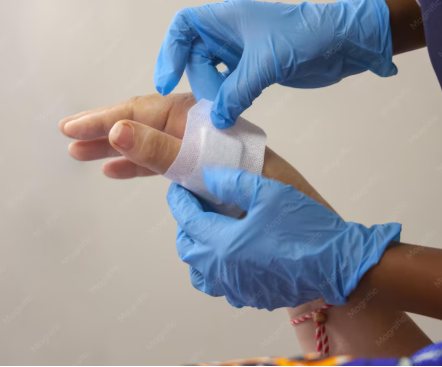
A cut happens while you are away from home, a scrape occurs during a hike, or a minor injury appears when there is no first-aid kit nearby. In these situations, knowing how to clean a wound with basic resources can help you respond calmly and avoid making the injury worse. You do not always need a large collection of medical supplies to begin appropriate care for a minor wound.
The priority is to use what is clean, safe, and reasonably available. At the same time, limited supplies should never become a reason to attempt complicated treatment at home. Some wounds are too serious for basic first aid and require professional medical attention.
Begin by Assessing the Situation
Before looking for something to clean the wound with, determine what kind of injury you are dealing with. A shallow scrape or small cut is different from a deep laceration, puncture injury, or wound with significant tissue damage.
Look for the source of bleeding, visible dirt, embedded objects, and the approximate size of the injury. Also consider how the wound happened. An injury from a clean household object may present different concerns from one caused by a dirty surface, animal bite, or puncture.
If bleeding is heavy or does not respond to steady pressure, focus on getting medical help rather than spending time searching for cleaning products.
Clean Your Hands Before Touching the Injury
Even when supplies are limited, hand hygiene should remain a priority. Wash your hands with soap and clean water if they are available.
If you cannot immediately access soap, avoid touching the wound unnecessarily until your hands can be cleaned properly. Germs on your fingers can be transferred directly to damaged skin.
If another person is helping, the same principle applies. Anyone handling the wound or dressing should clean their hands beforehand.
Use Safe Water When Possible
For many minor injuries, clean running water is one of the most useful resources available. It can help flush away loose dirt, dust, and other surface debris.
When considering how to clean a wound without a complete first-aid kit, focus on using water that is safe for routine washing. Allow it to flow gently over the injury rather than aggressively rubbing the affected area.
If the only available water source is questionable or contaminated, do not assume it is suitable simply because it looks clear. Seek a safer source of water as soon as possible.
Control Bleeding With a Clean Material
If the wound is bleeding, use a clean cloth, gauze, or another suitable clean material to apply steady pressure.
Avoid repeatedly lifting the material to inspect the wound. Continuous pressure gives the body an opportunity to form a clot and can be more effective than repeatedly disturbing the area.
If the material becomes saturated with blood, additional clean material can be placed over it while maintaining pressure. Significant or persistent bleeding needs prompt professional attention.
What If You Have No Bandages?
A commercial adhesive bandage is convenient, but its absence does not mean a minor wound cannot be protected temporarily.
A clean dressing or clean cloth may provide temporary coverage when appropriate. The material should not be visibly dirty, heavily shedding fibers, or contaminated with chemicals.
Do not place obviously unclean household materials directly against an open wound simply because they are available. Temporary protection is useful only when the material itself does not introduce additional contamination.
Once proper wound-care supplies become available, replace temporary coverage with an appropriate dressing.
Remove Only Loose Debris
After rinsing, look at the injury without disturbing it unnecessarily. Loose dirt may wash away with clean water.
If a tiny piece of debris is easily accessible and can be removed without probing into the tissue, it may sometimes be removed carefully using clean equipment. However, digging into an injury with a sharp object or fingernail can cause additional damage.
If gravel, glass, metal, wood, or another object appears embedded, stop trying to remove it yourself. Professional assessment may be necessary.
Avoid Household Substitutes That Can Irritate Skin
When people do not have first-aid supplies, they may be tempted to use whatever cleaning product is nearby. This can create another problem.
Household disinfectants, cleaning chemicals, strong solvents, or other products not intended for open wounds should not be used as substitutes for proper wound-care materials.
The purpose of cleaning is to remove contamination while protecting viable tissue. A product that is suitable for cleaning a countertop is not automatically appropriate for damaged skin.
Do Not Use Unclean Fabrics
A common mistake when supplies are limited is grabbing the nearest towel, clothing item, or cloth without considering its cleanliness.
If you need material for temporary pressure or protection, choose the cleanest suitable option available. Avoid fabrics that are visibly dirty, wet, dusty, or contaminated.
If the injury is minor and there is no suitable clean covering, it may be better to minimize unnecessary contact until appropriate supplies can be obtained rather than repeatedly touching the wound with questionable materials.
When a Temporary Solution Is Enough
Basic temporary wound care may be reasonable when the injury is small, superficial, and uncomplicated.
For example, a minor scrape with controlled bleeding may be rinsed with clean water and temporarily protected while you arrange access to proper supplies.
The temporary approach is not intended to replace medical care or appropriate wound management when the injury is serious. It is simply a way to provide sensible initial care until better resources are available.
When Limited Supplies Should Not Delay Medical Care
Some wounds require professional assessment regardless of what supplies you have.
Deep or Gaping Wounds
A wound that is deep or has edges that remain widely separated may need medical treatment. Cleaning it at home should not delay evaluation.
Severe Bleeding
Bleeding that remains heavy despite sustained direct pressure requires prompt medical attention.
Embedded Objects
Do not attempt to dig out deeply embedded glass, metal, wood, or other foreign objects. This can increase tissue damage and bleeding.
Bites and Punctures
Animal bites, human bites, and puncture wounds can introduce bacteria deeper into tissue. These injuries may require professional evaluation even when the surface opening looks small.
Pay Attention to Where the Wound Is Located
The location of an injury can influence how carefully it should be assessed. Wounds involving the eyes, face, hands, joints, or other sensitive areas may require medical evaluation depending on their severity.
An injury that interferes with movement or produces numbness or unusual loss of sensation should not be treated as an ordinary scrape.
When the wound is located somewhere that is difficult to keep clean or protect, obtaining appropriate medical advice can also be useful.
Monitor the Injury After Initial Cleaning
Learning how to clean a wound is only one part of managing an injury. Once the initial cleaning is complete, observe the wound over the following days.
Some mild soreness and limited redness can occur after an injury. However, symptoms that become increasingly severe deserve attention.
Increasing redness, warmth, swelling, worsening pain, pus-like drainage, unpleasant odor, or fever may indicate an infection. Red streaking extending away from the wound can also be concerning.
If these changes develop, do not simply repeat the same cleaning process. Seek professional medical evaluation.
Replace Temporary Coverings Promptly
If you used a temporary clean cloth or other suitable material because a proper dressing was unavailable, replace it when you can access appropriate wound-care supplies.
A dressing that becomes wet or dirty should not remain against the wound unnecessarily. Wash your hands before handling the injury and change the covering gently.
If material sticks to the wound, avoid pulling forcefully because this can disturb healing tissue.
Prepare for Future Minor Injuries
An unexpected injury can be easier to manage when basic supplies are already available. A small first-aid kit can contain adhesive bandages, sterile gauze, suitable dressings, soap, and other basic items.
Keeping these supplies in a home, vehicle, travel bag, or outdoor kit can reduce the need to improvise during an emergency.
However, having a first-aid kit does not mean every wound should be treated at home. The purpose of basic supplies is to support appropriate first aid while you determine whether additional medical care is needed.
A Practical Approach When Resources Are Limited
If you remember only a few principles, focus on cleanliness, gentle handling, bleeding control, and protection.
Wash your hands. Control bleeding with steady pressure. Rinse a minor wound with safe, clean water. Remove only loose debris. Protect the area with the cleanest suitable covering available and obtain proper supplies when possible.
Most importantly, do not let limited resources encourage risky improvisation. A deep, contaminated, puncture, bite, or heavily bleeding wound needs professional attention regardless of how many first-aid supplies are available.
Conclusion
Knowing how to clean a wound is especially valuable when you are away from a fully equipped first-aid kit. For a minor injury, clean hands, safe running water, steady pressure, and a clean temporary covering can provide useful initial care.
Avoid harsh household chemicals, dirty fabrics, aggressive scrubbing, and attempts to remove deeply embedded objects. Keep watching the wound after cleaning and seek medical attention for severe bleeding, deep injuries, bites, punctures, embedded debris, or signs of infection.
Limited supplies do not have to create panic. A calm, gentle approach can help you manage basic first aid safely while determining whether professional care is necessary.
FAQs
What can I use if I do not have a bandage?
A clean dressing or suitable clean cloth can provide temporary protection for a minor wound. Replace temporary material with an appropriate wound dressing as soon as practical.
Can I use any household disinfectant on an open wound?
No. Products designed for household surfaces may irritate or damage injured tissue. Use appropriate wound-care methods instead of substituting household cleaning chemicals.
What if I cannot remove dirt from a wound?
Do not dig deeply into the injury. If debris appears embedded or cannot be removed safely with gentle cleaning, seek professional medical assessment.
How long can a wound stay covered with a temporary cloth?
A temporary covering should be replaced with a proper clean dressing as soon as practical, particularly if it becomes wet, dirty, loose, or contaminated.

 English
 Arabic
 French
 Spanish
 Portuguese
 Turkish
 Dutch
Dutch
 Italiano
 Russian
 Romaian
 Portuguese (Brazil)
 Greek
Greek
