


Mixing and Matching: How to Choose the Perfect Vintage Dining Table and Chairs for Your Unique Space
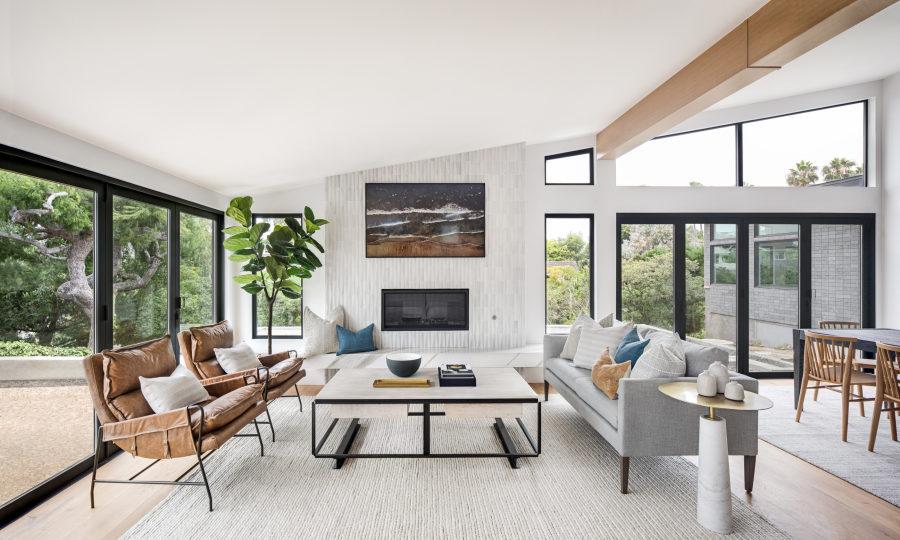
Creating a dining area with personality does not always mean purchasing a perfectly matched furniture set. In fact, combining different pieces can produce a warmer, more collected appearance that feels personal rather than overly coordinated. A carefully selected vintage dining table and chairs can become the foundation of a dining room where different periods, materials, and finishes work together naturally. The challenge is knowing which differences create visual interest and which ones make the room feel disconnected. With attention to proportion, color, material, comfort, and overall style, you can build a dining space that feels intentional while still reflecting your individual taste.
Start With the Dining Table
The dining table is usually the largest and most visually dominant element in the room, making it a sensible starting point for a mixed furniture arrangement. Consider its size, shape, wood tone, leg design, surface condition, and overall character before choosing chairs. A rectangular table can create a more traditional arrangement, while round or oval designs often encourage conversation and produce a softer visual effect. Pay close attention to the dimensions because a beautiful vintage table can overwhelm a small dining area if there is not enough room for chairs and movement. Ideally, the table should provide comfortable seating while leaving sufficient space around it for people to walk naturally.
The condition and construction of the table also deserve careful inspection before purchasing. Look underneath the surface for labels, joinery, hardware, repairs, or signs of previous alterations that may help establish its age and quality. Check the legs for stability and inspect the tabletop for major warping, cracks, moisture damage, or problematic veneer. Minor scratches and signs of age can contribute to the character of a vintage piece, but serious structural problems may require expensive restoration. Choosing a strong table first gives you a dependable foundation around which the rest of the dining space can be developed.
Choose Chairs Based on Proportion
When mixing chairs, proportion is often more important than matching every finish. The seat height should work comfortably with the table, while the chair width should leave enough room for diners to sit without feeling crowded. Measure the distance between the table surface and the underside of the apron because thick aprons can limit legroom even when the overall table height seems appropriate. Armchairs also require additional clearance, particularly if they need to slide beneath the tabletop when not in use. These practical details can make the difference between a dining set that merely looks attractive and one that feels comfortable every day.
Chair backs can vary in shape without making the arrangement look chaotic if another element connects them visually. You might combine curved-back chairs with simpler wooden designs, for example, while keeping their scale relatively similar. Alternatively, different chair styles can share a common material, finish, or upholstery color to create cohesion. Avoid choosing every chair independently without considering the group as a whole. Lay out your selections together, compare their heights and silhouettes, and consider how they will look from across the room before committing to the final combination.
Create a Connection Between Different Styles
Successful mixing and matching usually depends on finding at least one visual connection between pieces. This connection could be a shared wood tone, similar leg shape, repeated curve, complementary upholstery, or consistent level of visual weight. The pieces do not need to belong to the same manufacturer or design era. In fact, subtle differences can make the room feel more layered and authentic. The goal is to create relationships between the furniture rather than forcing every object to look identical.
Color can be one of the easiest ways to create that relationship. If the table has a warm walnut finish, chairs with warm brown upholstery or natural wood details can help tie the arrangement together. A painted chair can also work if its color appears elsewhere in the room through artwork, curtains, rugs, or accessories. This approach allows vintage home decor to feel integrated rather than isolated. When selecting colors, consider the room's natural light because wood tones and upholstery can appear noticeably different under warm artificial lighting and daylight.
Mix Materials for Added Character
Combining different materials can make a dining area more visually interesting while preventing the furniture from appearing like a single matching showroom set. A wooden table can work beautifully with upholstered chairs, woven seats, metal details, or molded forms depending on the overall design direction. The important consideration is balance. If every piece introduces a completely different material, the room may feel visually busy, while repeating two or three materials can create a sense of continuity. Think about the furniture as a composition in which texture and surface finish contribute to the overall atmosphere.
Wood deserves particular attention because vintage pieces can have dramatically different finishes even when they are made from similar species. Teak, walnut, oak, and mahogany each have distinct colors and grain patterns, and years of aging can change their appearance further. You do not necessarily need every wood surface to match perfectly. Instead, consider whether the tones are complementary and whether another element in the room helps connect them. A rug, cabinet, flooring finish, or wooden accessory can provide the visual bridge between pieces that initially appear different.
Consider the Shape of the Room
The architecture of the dining area should influence your furniture choices just as much as the furniture itself. In a narrow room, a long rectangular table with streamlined chairs may make movement easier than a bulky arrangement. Round tables can be useful in smaller spaces because their absence of sharp corners can improve circulation and make conversation more comfortable. Open-plan rooms may require furniture that visually defines the dining zone without creating a heavy barrier between areas. Measure the room before shopping and mark the intended furniture footprint so you can understand how much usable space will remain.
Do not forget to account for chairs when planning the layout. A table may fit comfortably within a room when the chairs are pushed in, but diners need significantly more space when chairs are pulled back for sitting. Leave enough clearance behind frequently used seats to allow people to move around without constantly bumping into walls or other furniture. If the room includes a sideboard, cabinet, doorway, or kitchen walkway, account for those paths as well. Practical circulation is one of the most important elements of a dining room because attractive furniture loses its appeal when the space becomes difficult to navigate.
Balance Vintage Pieces With Modern Elements
A dining room does not have to contain exclusively vintage objects to achieve a vintage-inspired character. Mixing older furniture with contemporary lighting, modern rugs, simple artwork, or newer accessories can make the room feel more relaxed and current. A vintage table paired with contemporary chairs can create an unexpected contrast, while older chairs around a newer table can produce a similarly interesting result. This approach is particularly useful when a complete vintage set is difficult to find. It also allows you to prioritize comfort and functionality where modern construction may offer advantages.
The same principle applies to accessories and surrounding furniture. A contemporary pendant light can emphasize the shape of an older dining table, while a modern sideboard can provide storage without competing with vintage chairs. Keep decorative elements relatively selective so that the furniture remains the focus. Too many retro accessories can make the space feel themed rather than naturally collected. A few carefully chosen objects, such as artwork, ceramics, mirrors, or textiles, can provide enough historical reference without overwhelming the room.
Prioritize Comfort and Everyday Function
A dining room should look attractive, but it also needs to support real daily activities. Before purchasing vintage chairs, sit in them whenever possible and assess seat height, back support, cushion firmness, and overall stability. Older chairs can sometimes have weakened joints, worn padding, or upholstery that needs replacement. These issues do not necessarily make a chair unsuitable, but restoration costs should be considered before purchase. If a chair is structurally compromised, prioritize repairability and safety rather than buying it solely because it has an appealing appearance.
Think about how the table will actually be used as well. Families who regularly host guests may benefit from an extendable design, while households with limited space may prefer a compact round table. If children use the dining area frequently, surfaces that are easier to maintain may be more practical than delicate finishes. Vintage furniture can be highly functional, but it often requires more thoughtful care than mass-produced contemporary pieces. Understanding your lifestyle before shopping helps ensure that the final combination looks good without becoming difficult to live with.
Shop Carefully and Verify Quality
When purchasing vintage furniture, research is an important part of the process. Ask sellers about the furniture's age, manufacturer, materials, previous repairs, and restoration history whenever that information is available. Inspect labels and construction details rather than relying solely on phrases such as “rare,” “antique,” or “designer.” Online listings can be useful for discovering pieces, but photographs may hide damage, repairs, or differences in scale. Request additional images and exact measurements before purchasing expensive furniture remotely.
Price should also be evaluated alongside condition and authenticity. A high price does not automatically mean a piece is valuable, while an inexpensive item is not necessarily a bargain if extensive restoration is required. Compare similar examples from reputable dealers, auction records, and established vintage furniture sources when possible. If you are considering a particularly valuable or rare piece, an experienced appraiser or furniture specialist can provide additional insight. A careful purchase protects your budget and increases the likelihood that your furniture will remain enjoyable for years.
Style the Finished Dining Space
Once the table and chairs are selected, use accessories to reinforce the visual relationship between them rather than trying to make everything match. A rug can help define the dining zone and introduce a color that connects upholstery with wood tones. Lighting should provide adequate illumination while complementing the scale and shape of the table. Artwork, ceramics, plants, and textiles can add personality, but they should support the furniture rather than compete with it. This restrained approach allows vintage pieces to remain the visual stars of the room.
The final result should feel collected naturally rather than assembled according to a rigid formula. Some asymmetry, variation, and evidence of age can make a dining area feel more welcoming. Do not worry if every chair has a slightly different finish or if the table shows small signs of previous use. Those details can contribute to the authenticity and warmth associated with vintage interiors. What matters most is that the colors, proportions, materials, and shapes work together while providing a comfortable environment for meals and gatherings.
Conclusion
Choosing the perfect vintage dining table and chairs is ultimately about finding balance between individuality and visual cohesion. Start with a well-proportioned table, then select chairs based on comfort, scale, material, color, and silhouette rather than searching for an exact match. Use lighting, rugs, artwork, and other vintage home decor elements to connect different pieces without making the room feel overly coordinated. Careful inspection and research are especially important when purchasing older furniture because condition and authenticity can vary considerably. With patience and a willingness to mix styles thoughtfully, you can create a dining space that feels distinctive, comfortable, and genuinely connected to your personal taste.

 English
 Arabic
 Spanish
 Portuguese
 Deutsch
 Turkish
 Dutch
Dutch
 Italiano
 Russian
 Romaian
 Portuguese (Brazil)
 Greek
Greek
