


Reverse Logistics Industry Transforms Returns Into Strategic Value Recovery Operations
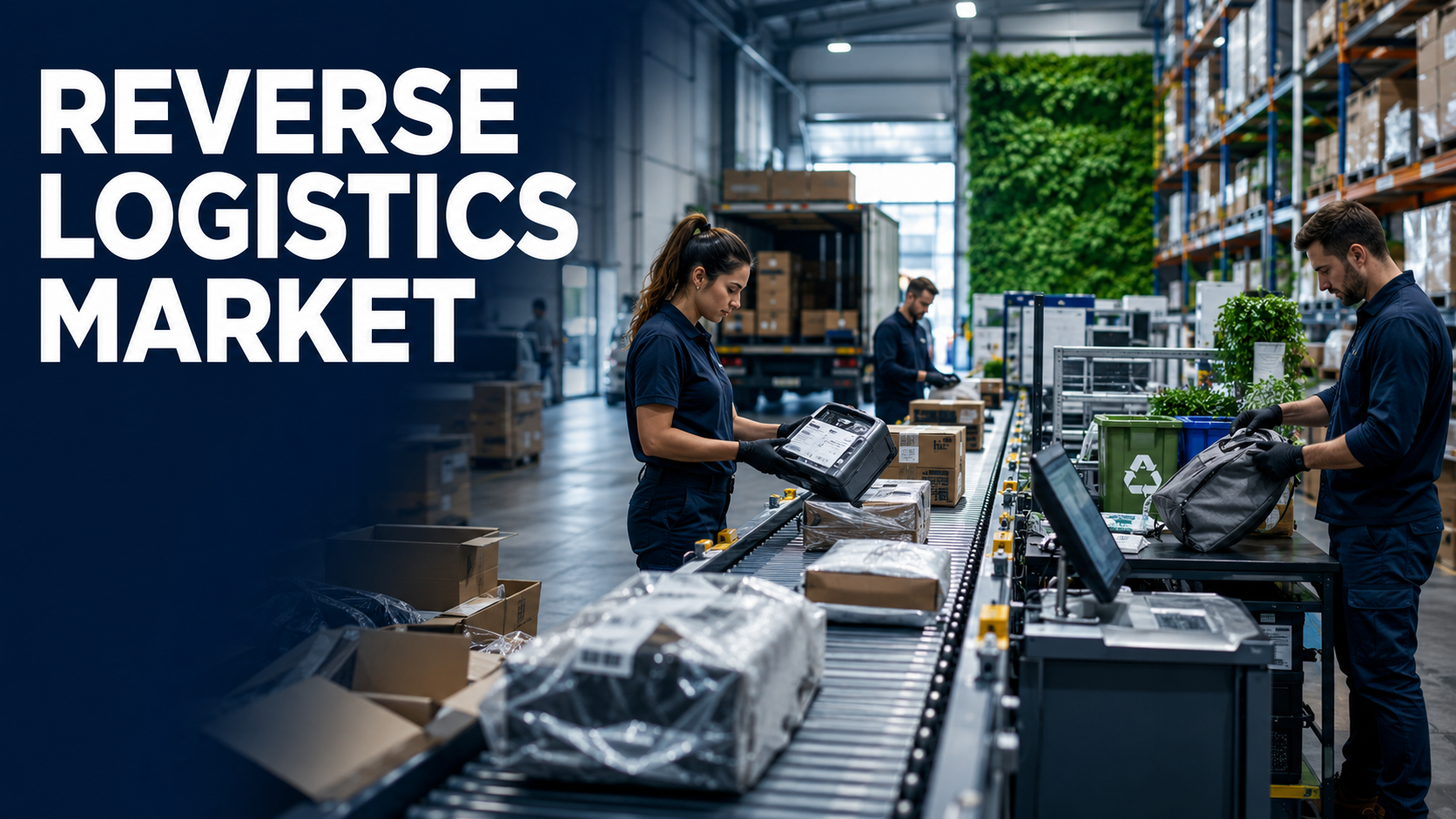
The modern supply chain landscape has been fundamentally reshaped by the growing importance of product returns management, with the Reverse Logistics Market representing a critical function that extends beyond traditional logistics. Reverse logistics encompasses the entire process of moving goods from their final destination back through the supply chain to capture value or ensure proper disposal, covering returns management, refurbishment, recycling, and end-of-life processing . This industry has evolved from a necessary operational expense into a strategic business function that directly impacts customer loyalty, sustainability performance, and financial outcomes . The market is broadly segmented by return type, including defective returns, commercial returns, repairable returns, and end-of-life returns, each requiring specialized handling processes that vary significantly across industries such as retail, electronics, automotive, and pharmaceuticals .
The competitive landscape of the reverse logistics industry is characterized by a mix of global logistics giants and specialized technology providers. Deutsche Post DHL leads the market with a significant share, leveraging its extensive global network, AI-driven sorting capabilities, and strong European compliance expertise . United Parcel Service (UPS) and FedEx Corporation are formidable competitors, utilizing their global transportation networks and digital platforms to deliver seamless returns management, tracking, and refurbishment services . The industry also features specialized players like Optoro and ReverseLogix, which focus on technology-enabled reverse logistics solutions that optimize disposition decisions and value recovery . Third-party logistics (3PL) providers dominate the service provider landscape, capturing a substantial market share as retailers and manufacturers increasingly outsource reverse operations to improve cost efficiency and scalability .
Several powerful forces are shaping the reverse logistics industry and driving its evolution. The surge in e-commerce and omnichannel retail has dramatically increased return volumes, with online return rates significantly exceeding those of brick-and-mortar stores, creating immense pressure on reverse supply chains . Government-led sustainability initiatives and extended producer responsibility (EPR) regulations are compelling companies to formalize reverse logistics processes for e-waste, batteries, and other regulated products . The growing consumer expectation for convenient, hassle-free returns has transformed reverse logistics into a competitive differentiator, while the expansion of recommerce channels and refurbished product markets is creating new revenue opportunities . Additionally, the rise of rental, subscription, and buyback models is adding complexity to reverse logistics operations, requiring more sophisticated handling and disposition capabilities .
Looking ahead, the reverse logistics industry is poised for significant transformation driven by technological innovation and circular economy imperatives. The integration of artificial intelligence, machine learning, and computer vision is revolutionizing how returned products are inspected, graded, and routed for optimal disposition . The adoption of blockchain and RFID tracking technologies is strengthening authentication capabilities and enhancing traceability across reverse supply chains . The industry is also witnessing a shift toward localized processing centers, carbon-aware routing, and sustainable packaging solutions that reduce environmental impact while improving operational efficiency . As sustainability expectations continue to rise and circular economy mandates expand globally, reverse logistics is transitioning from a cost center to a strategic advantage that delivers both economic and ecological benefits for forward-thinking organizations .

 English
 Arabic
 French
 Portuguese
 Deutsch
 Turkish
 Dutch
Dutch
 Italiano
 Russian
 Romaian
 Portuguese (Brazil)
 Greek
Greek
