


Bhutan Tour Guide: A Complete Guide to Exploring the Land of the Thunder Dragon
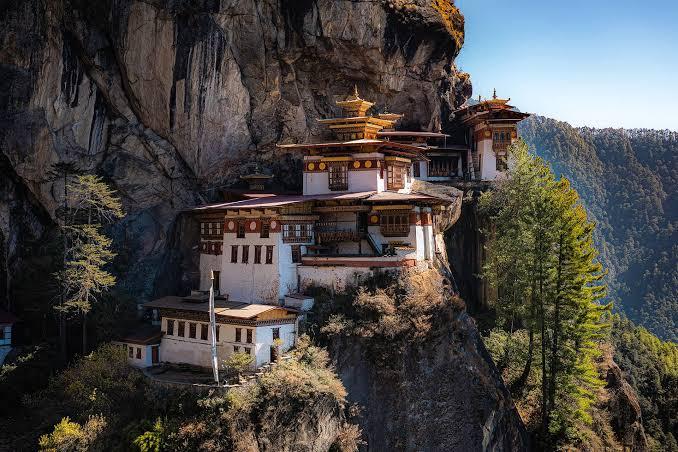
Bhutan is one of the most fascinating destinations in the Himalayas. Known as the Land of the Thunder Dragon, this peaceful kingdom offers dramatic mountain scenery, ancient Buddhist monasteries, traditional villages, colorful festivals, and a unique cultural identity. Unlike many popular tourist destinations, Bhutan focuses strongly on preserving its environment and traditions while welcoming visitors.
A well-planned Bhutan tour guide can help travelers understand what to expect, where to go, when to visit, and how to make the most of their journey. Whether you are interested in culture, nature, photography, hiking, or peaceful mountain landscapes, Bhutan has something memorable to offer.
Why Visit Bhutan?
Bhutan is ideal for travelers who want an experience that feels different from a typical holiday. The country combines Himalayan scenery with centuries-old Buddhist traditions. Its valleys are surrounded by mountains, while monasteries and dzongs create a distinctive architectural landscape.
The peaceful atmosphere is another major attraction. Life in Bhutan generally moves at a slower pace, allowing visitors to enjoy nature, local communities, traditional food, and cultural experiences without the constant rush found in larger tourist destinations.
Bhutan also places considerable importance on environmental protection and cultural preservation. This approach makes the country particularly appealing to travelers who appreciate responsible and meaningful tourism.
Best Time to Visit Bhutan
Bhutan can be visited throughout the year, but the ideal season depends on what you want to experience. Spring and autumn are generally considered the most favorable periods because of pleasant weather, clearer mountain views, and cultural festivals.
Spring usually brings colorful flowers, fresh greenery, and comfortable conditions for sightseeing and hiking. Autumn is also excellent for mountain views and outdoor activities.
Summer brings monsoon rainfall, particularly in some regions, but the landscapes become lush and vibrant. This season can appeal to travelers who prefer greener scenery and fewer visitors.
Winter is colder, especially at higher elevations, but it can provide crisp skies and beautiful mountain scenery. Travelers visiting during winter should bring warm clothing and prepare for significant temperature changes between daytime and nighttime.
How to Get to Bhutan
Most international visitors arrive by air through Paro International Airport. Flights connect Bhutan with selected cities in the region, making nearby countries useful gateways for international travelers.
Travelers should plan their flights carefully because Bhutan has a relatively limited number of international connections compared with larger tourist destinations. Booking transportation and accommodation in advance can make the journey considerably smoother.
Bhutan can also be entered by land through designated border points. However, requirements and procedures depend on nationality, so travelers should check the current entry rules before making arrangements.
Visa and Travel Requirements
Entry requirements depend on nationality. Many international visitors need a visa before traveling, while certain neighboring-country nationals follow separate permit procedures. Bhutan currently lists a Sustainable Development Fee of US100peradultpernight,alongwithaone-timevisaapplicationfeeofUS40 for travelers who require a visa.
Because travel regulations can change, visitors should verify the latest requirements before booking their trip.
One important feature of traveling in Bhutan is the role of local guides. A certified local guide can provide cultural knowledge, assist with transportation, explain local customs, and make sightseeing easier. Current tourism guidance states that guides are mandatory for travel around Bhutan beyond specified entry and initial hotel arrangements.
Top Places to Visit in Bhutan
A good Bhutan itinerary should include a combination of cultural attractions, mountain landscapes, and traditional communities.
Paro
Paro is often the starting point for international visitors. The valley is surrounded by beautiful mountains and contains several important cultural sites.
The most famous attraction is Paro Taktsang, commonly known as Tiger’s Nest. The monastery sits dramatically on a cliff and is one of Bhutan’s most recognizable landmarks. Reaching it requires a hike, making comfortable footwear especially important.
Thimphu
Thimphu is Bhutan’s capital and a fascinating place to experience modern Bhutanese life alongside traditional culture. Visitors can explore markets, monasteries, museums, handicraft shops, and important national landmarks.
The city is also a useful base for learning about Bhutanese art, architecture, food, and everyday life.
Punakha
Punakha is known for its beautiful valley and impressive architecture. The area has a warmer climate than many higher-altitude destinations, making it an enjoyable stop on a Bhutan tour.
Punakha Dzong is one of the country's most famous structures. Its riverside setting and traditional design make it particularly attractive to photographers.
Phobjikha Valley
Phobjikha Valley is a peaceful destination surrounded by mountains and open landscapes. It is especially appealing to nature lovers and travelers looking for a quieter side of Bhutan.
The valley is also associated with black-necked cranes, adding an important wildlife element to the experience.
Bumthang
Bumthang is an excellent choice for travelers interested in Bhutanese spirituality and traditional culture. The region contains several important temples and monasteries and offers beautiful rural scenery.
Traveling farther into central Bhutan also gives visitors a chance to see landscapes and communities that are different from those around Paro and Thimphu.
Bhutanese Culture and Traditions
Culture is at the heart of any Bhutan tour. Buddhist traditions influence architecture, festivals, clothing, art, and daily life.
Visitors will notice traditional buildings with distinctive designs and colorful decorative details. Dzongs serve as important cultural and administrative centers, while monasteries and temples remain significant spiritual places.
Respecting local customs is essential. Visitors should dress modestly when entering religious sites, follow photography rules, and avoid disturbing religious ceremonies. Shoes may need to be removed before entering certain sacred spaces.
Learning a few simple local greetings can also make interactions with residents more enjoyable.
Food to Try in Bhutan
Bhutanese cuisine is known for bold flavors and generous use of chili. Ema datshi, a traditional dish made with chilies and cheese, is one of the country's best-known foods.
Other local dishes may include rice, vegetables, meat, noodles, and soups prepared with regional ingredients. Travelers who are not accustomed to spicy food should mention their preference when ordering.
Trying local food is an important part of experiencing Bhutan because meals offer another way to understand the country's traditions and lifestyle.
Hiking and Outdoor Activities
Bhutan is an excellent destination for outdoor enthusiasts. Its mountainous terrain provides opportunities for hiking, trekking, photography, nature walks, and scenic drives.
The Tiger’s Nest hike is one of the most popular activities for first-time visitors. Longer trekking routes are available for travelers seeking more demanding adventures.
Because Bhutan's terrain includes significant elevation changes, travelers should allow themselves time to adjust. Good walking shoes, layered clothing, rain protection, and adequate water are useful additions to any packing list.
What to Pack for Bhutan
Packing for Bhutan requires preparation because weather can vary considerably between regions and elevations.
Comfortable walking shoes are essential, especially if the itinerary includes monasteries or hiking trails. Layered clothing is useful because mornings and evenings can be cold while daytime temperatures may be more comfortable.
A lightweight rain jacket is helpful during wetter months. Travelers should also consider warm clothing, personal medicines, sunscreen, sunglasses, a reusable water bottle, and a small daypack.
For religious sites, modest clothing is recommended.
How Many Days Are Enough for Bhutan?
A short trip of around five to seven days can cover major destinations such as Paro, Thimphu, and Punakha. However, travelers with more time can explore central Bhutan, including areas such as Bumthang and Phobjikha Valley.
A longer itinerary allows for slower travel, additional hikes, cultural experiences, and more time in rural areas.
Instead of trying to see everything quickly, it is often better to choose a manageable route and enjoy each destination properly.
Final Thoughts
Bhutan offers a rare combination of Himalayan scenery, ancient culture, peaceful communities, and unforgettable experiences. From the cliffside Tiger’s Nest to the historic dzongs of its valleys, every part of the journey can reveal something new.
A good Bhutan tour guide should focus not only on famous attractions but also on practical planning, cultural respect, seasonal conditions, transportation, food, and outdoor activities. With the right preparation, a trip to Bhutan can become much more than a sightseeing holiday. It can be an opportunity to slow down, explore remarkable landscapes, experience living traditions, and discover one of Asia’s most distinctive destinations.

 Arabic
 French
 Spanish
 Portuguese
 Deutsch
 Turkish
 Dutch
Dutch
 Italiano
 Russian
 Romaian
 Portuguese (Brazil)
 Greek
Greek
