


Jerky: A Flavorful Snack That Stands the Test of Time
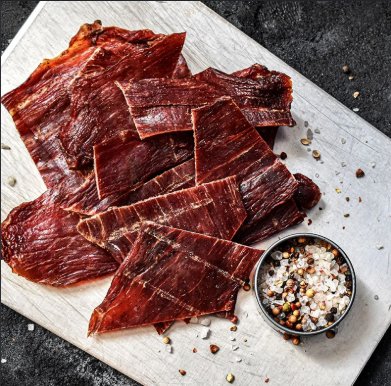
Jerky is a snack that has successfully combined an old food-preservation technique with the demands of modern life. Known for its chewy texture, concentrated flavor, and portability, jerky has become a popular choice for people who want something savory and convenient. It can be enjoyed during a journey, taken along on an outdoor adventure, packed for work, or simply eaten at home when a flavorful snack is needed.
Although jerky is often associated with beef, the term can describe dried meat prepared from different types of meat. What gives jerky its distinctive identity is not simply the meat itself, but the process of seasoning and drying it. This combination creates a food that is compact, flavorful, and very different from fresh meat.
What Is Jerky?
Jerky is meat that has been sliced or cut into manageable pieces, seasoned, and dried under controlled conditions. The drying process removes a significant amount of moisture, resulting in the firm or chewy texture that jerky is known for.
The final texture can vary considerably. Some people prefer soft and tender pieces that are easy to chew, while others enjoy dry and firm jerky that provides a longer chewing experience.
Flavor also varies from one product to another. A simple recipe may highlight salt and pepper, while another may combine sweetness, smoky flavors, garlic, herbs, and hot spices. This flexibility has allowed jerky to develop into a broad category of snacks rather than a single standardized food.
The History of Jerky
The roots of jerky can be connected to the ancient need to preserve meat. Fresh meat is highly perishable, so people throughout history developed ways to extend its usefulness.
Drying was one of the most practical preservation techniques. By removing moisture, meat could become lighter and easier to store and transport. Seasoning could also improve its taste and contribute to the preservation process.
Different communities developed their own approaches to dried meat. Some relied on natural air or sunlight, while others used smoke, salt, spices, or heat.
Modern jerky is based on the same fundamental concept but is usually produced with more controlled methods. Today, people can purchase packaged jerky in many varieties or prepare it themselves using specialized equipment.
Choosing the Right Meat
The type of meat used has a strong influence on the final product. Lean meat is generally considered suitable for jerky because excessive fat can affect the texture and storage characteristics.
Before the meat is seasoned, it is usually trimmed and sliced. The thickness of the slices is important because it affects how quickly the meat dries.
Thin pieces may become firm and chewy, while thicker pieces can produce a softer texture. The direction of the cut can also change the way the meat feels when eaten.
Cutting across muscle fibers can make jerky easier to chew, while cutting along the fibers can create a more substantial and stringy texture.
Consistent slicing is helpful because pieces of similar thickness are more likely to dry evenly.
The Importance of Seasoning
Seasoning gives jerky much of its personality. Meat already has a strong savory flavor, so it provides an excellent foundation for spices, sauces, and marinades.
Traditional seasoning often includes salt and black pepper. Garlic and onion can add additional depth, while herbs can create more subtle flavors.
For people who enjoy sweet foods, a sweet marinade can balance the salty taste of the meat. Sweet-and-savory combinations have become especially popular because they offer contrasting flavors in a single snack.
Spicy jerky is another favorite. Chili peppers, hot sauces, and other spicy ingredients can create anything from mild warmth to intense heat.
Smoky flavors can also give jerky a rich and hearty character. Combined with barbecue-style seasonings, they can create a flavor that reminds people of grilled meat.
Different Varieties of Jerky
One of the best things about jerky is its variety. Consumers can choose products based on the meat, flavor, texture, and level of seasoning.
Classic jerky usually uses straightforward savory flavors. It may rely on salt, pepper, garlic, or onion to enhance the natural taste of the meat.
Peppered varieties contain a stronger pepper flavor and can provide a sharp, satisfying taste. Garlic-based jerky offers a deeper savory character.
Sweet varieties may use sweet marinades or sauces, while teriyaki-inspired recipes combine sweetness with salty and savory notes.
Barbecue-style jerky can provide smoky and tangy flavors. Spicy varieties appeal to people who enjoy chili and hot sauces.
This range of choices makes jerky suitable for people with very different preferences.
Why Jerky Has a Unique Texture
Texture plays a major role in the appeal of jerky. Unlike crunchy snacks, jerky is usually chewy and takes time to eat.
Soft jerky tends to be tender and flexible. It may appeal to people who want a snack that is easier to chew.
Firm jerky offers more resistance and can provide a longer-lasting eating experience. Many jerky enthusiasts enjoy this quality because it allows them to savor each piece.
The texture depends on several factors, including the type of meat, thickness of the slices, amount of moisture remaining, and drying process.
For homemade jerky, experimenting with these factors can help create a texture that matches personal preference.
Jerky as a Convenient Snack
Convenience is one of the strongest reasons for jerky's popularity. It is small, portable, and generally ready to eat.
A package can easily fit into a backpack, lunch bag, suitcase, or car. This makes it particularly useful for people who spend a lot of time away from home.
Travelers can enjoy jerky during long journeys, while hikers and campers can carry it as part of their outdoor food supplies. Workers and students can also keep it available for a quick snack between meals.
Because it does not require the preparation associated with a full meal, jerky fits naturally into busy lifestyles.
Nutritional Qualities of Jerky
Meat naturally provides protein, and jerky can therefore be a convenient protein-containing snack. Because the drying process removes water, the meat becomes concentrated.
Depending on the meat and recipe, jerky may also provide nutrients such as iron, zinc, and B vitamins.
However, jerky products can differ significantly in their nutritional content. Some recipes contain substantial amounts of sodium, while sweet marinades may add sugar.
People who regularly eat jerky should therefore consider serving sizes and ingredient information. Jerky can be part of a balanced diet, but it is best enjoyed alongside a variety of other foods.
Making Jerky at Home
Preparing jerky at home can be an enjoyable way to explore different flavors. It gives cooks control over the type of meat, seasoning, slice thickness, and final texture.
A basic process involves trimming lean meat, cutting it into strips, seasoning or marinating it, and drying it with an appropriate method.
The recipe can be customized according to personal taste. Someone might create a simple garlic-and-pepper jerky, while another person could experiment with sweet and spicy flavors.
Food safety is particularly important when making jerky at home. Raw meat should be handled hygienically, appropriate heating and drying procedures should be followed, and finished jerky should be stored correctly.
Jerky for Outdoor Adventures
Jerky has a natural connection with outdoor activities. Its compact size and easy portability make it a practical snack for hiking, camping, fishing, and road trips.
Outdoor activities often require food that can be carried without taking up too much room. Jerky meets this need while providing a strong savory flavor.
A small package can be kept in a backpack and enjoyed during a break. Its convenience means that there is no need to stop and prepare a complicated meal simply to enjoy a quick snack.
This combination of practicality and flavor has helped jerky become closely associated with travel and adventure.
The Evolution of Modern Jerky
Jerky has changed significantly as consumer preferences have evolved. Traditional flavors remain popular, but modern products can include creative combinations designed to appeal to different tastes.
Some people prefer simple ingredients and mild seasoning, while others look for bold flavors, intense spice, or unusual combinations.
Homemade jerky has also become an opportunity for experimentation. People can create their own recipes and adjust them until they find a preferred balance of flavor and texture.
Despite all these changes, the basic identity of jerky remains intact.
Conclusion
Jerky is a food that combines history, practicality, and flavor in a remarkably simple form. By seasoning and drying meat, people can create a compact snack with a distinctive chewy texture and concentrated taste.
Its versatility is one of its greatest strengths. Jerky can be mild or spicy, sweet or savory, soft or firm, traditional or experimental. Different meats and seasonings provide even more opportunities for variety.
Its portability makes it particularly useful for travel and outdoor activities, while its bold flavor makes it enjoyable as an everyday snack. The ability to prepare jerky at home also gives people the freedom to create flavors and textures that suit their personal preferences.
From its roots in traditional meat preservation to its place in modern snack culture, jerky continues to demonstrate the value of simple food preparation. It is practical enough for an adventure, convenient enough for a busy day, and flavorful enough to be enjoyed simply because it tastes good.
Whether someone chooses a classic variety or an adventurous new flavor, jerky remains a satisfying snack with a distinctive character that has helped it stay popular for generations.

 English
 Arabic
 French
 Spanish
 Portuguese
 Deutsch
 Turkish
 Dutch
Dutch
 Italiano
 Romaian
 Portuguese (Brazil)
 Greek
Greek
