


Top Key Features That Define a Successful Real Estate Tokenization Platform
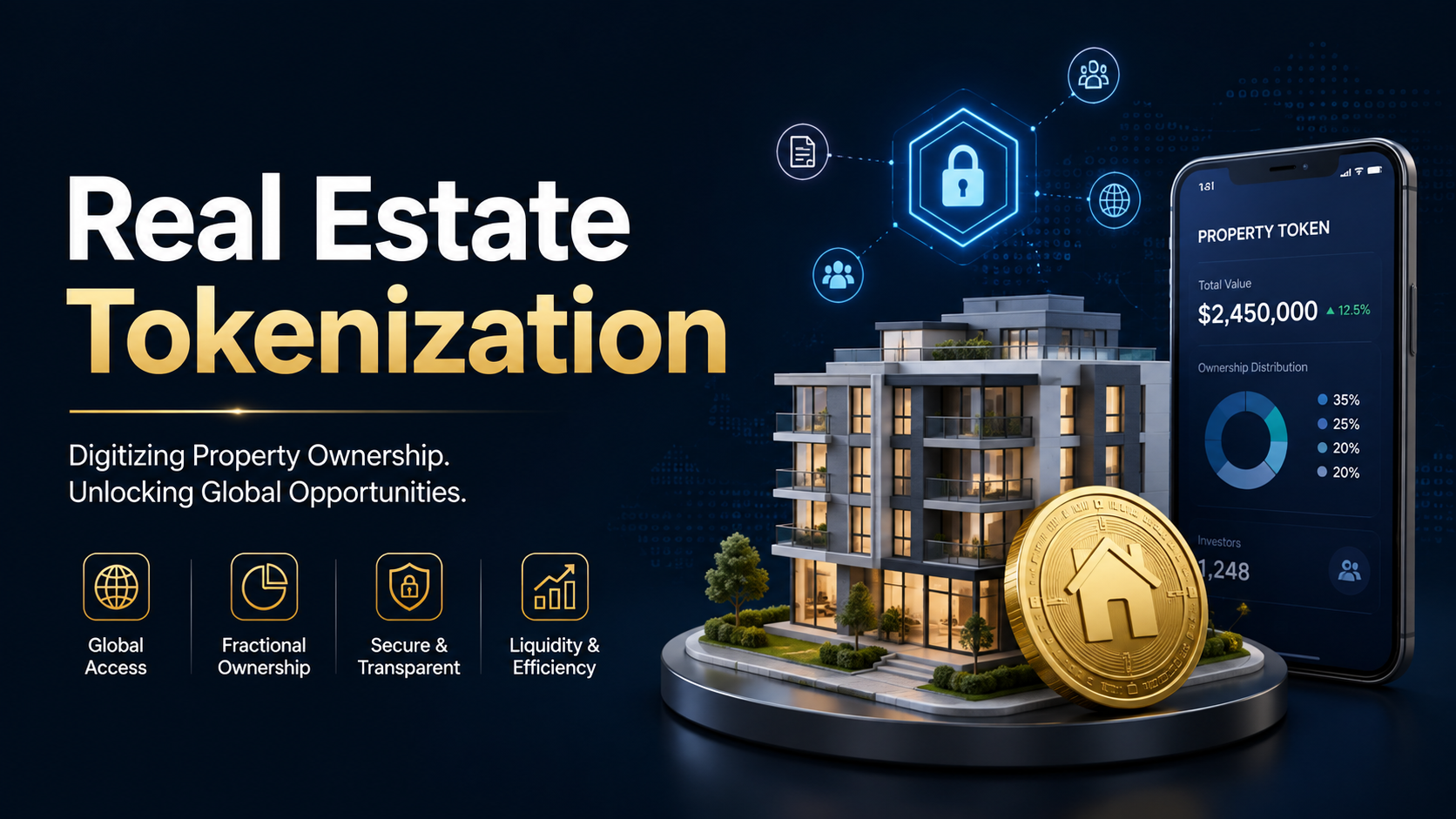
Real estate developers often face a familiar challenge: significant capital remains locked in projects long after construction, leasing, or stabilization has progressed. Traditional exit strategies—such as outright property sales, refinancing, joint ventures, or REIT structures—can work effectively, but they may involve lengthy negotiations, high transaction costs, and a limited pool of potential buyers.
Real estate tokenization introduces another possibility: converting ownership interests or economic rights associated with a property into blockchain-based digital tokens. Instead of waiting for a single institutional buyer to acquire an entire asset, developers can potentially structure fractional interests and distribute them among multiple eligible investors.
This creates new pathways for liquidity, capital recycling, and portfolio management. However, tokenization is not simply a technology-based replacement for selling a property. The legal rights represented by tokens, applicable securities regulations, investor protections, and the structure of the underlying real estate entity remain critical.
What Is Real Estate Tokenization?
Real estate tokenization is the process of representing ownership or defined economic interests in a property through blockchain-based tokens. A developer may place a property or portfolio into a legally structured entity, such as a special purpose vehicle (SPV). Digital tokens are then issued to represent defined rights in that structure.
Depending on the legal arrangement, token holders may receive exposure to:
- Property ownership
- Rental income
- Capital appreciation
- Debt repayments
- Profit distributions
- Specific contractual economic rights
Smart contracts can automate certain processes, including token transfers, investor records, and distribution calculations. The key opportunity for developers is that tokenization can introduce multiple exit and liquidity mechanisms instead of relying exclusively on a traditional property sale.
Traditional Exit Strategies for Real Estate Developers
Before examining real estate tokenization, it is useful to understand the conventional options available to developers.
1. Full Property Sale
The developer sells the completed project to another investor, fund, institution, or real estate company. This can generate a significant one-time return but requires finding a qualified buyer with sufficient capital.
2. Refinancing
A developer may refinance the property after stabilization to recover invested capital while retaining ownership. However, refinancing depends on lending conditions, property valuation, interest rates, and borrower qualifications.
3. Joint Ventures
Developers may partner with institutional investors or other real estate companies to share ownership and returns. While useful for capital management, joint ventures require complex negotiations and governance structures.
4. REIT or Fund Structures
A property may be contributed to a fund or REIT structure to create a broader investment vehicle. These structures can provide access to larger pools of capital but involve regulatory, operational, and administrative requirements. Tokenization introduces another potential layer to this landscape.
How Tokenization Can Create New Exit Strategies
1. Fractional Sale of Property Interests
Instead of selling an entire building to one buyer, developers can potentially fractionalize economic interests in the property. For example, a commercial property valued at $20 million could be placed into an appropriate legal structure and represented through a defined number of tokens. Eligible investors could acquire portions of the investment rather than purchasing the entire asset. This allows the developer to monetize part of the asset while potentially retaining a stake. The result is a more flexible exit model than a complete property sale.
2. Gradual Capital Release
Traditional property sales generally create a binary outcome: the developer either sells the property or continues holding it. Tokenization can support a gradual capital-release strategy. A developer could potentially sell a portion of tokenized interests while maintaining exposure to the remaining ownership. As market conditions change, additional interests could potentially be offered. This creates flexibility around timing and allows developers to avoid being forced into a complete exit during unfavorable market conditions.
3. Creating a Secondary Liquidity Path
One of the strongest arguments for tokenization is the potential to create secondary markets for fractional interests. Once legally compliant tokenized securities are issued, investors may potentially transfer them through approved secondary trading venues where permitted. For developers, this can create an additional liquidity mechanism. Instead of finding a single buyer for the entire asset, they may be able to access a broader investor network. However, tokenization does not automatically guarantee liquidity. Secondary market depth depends on investor demand, regulatory permissions, platform infrastructure, and the availability of buyers and sellers.
4. Exiting Stabilized Assets Without Selling Them Entirely
Developers often build properties, stabilize occupancy, and then sell them to realize gains. Tokenization can provide another route. A developer could potentially tokenize part of the stabilized asset and sell those interests to investors while continuing to own or manage the remaining portion.
This may allow the developer to:
- Recover development capital
- Retain long-term exposure
- Continue receiving management income where appropriate
- Participate in future appreciation
- Reinvest released capital into new projects
This approach effectively separates capital recovery from complete asset disposal.
5. Tokenizing Rental Income Instead of Ownership
An exit strategy does not necessarily have to involve transferring property ownership. Developers may structure tokens around defined economic rights to future rental income, subject to applicable laws and contractual arrangements. For example, investors could receive exposure to a portion of rental cash flows while the developer retains ownership of the underlying property. This creates a potential alternative to selling the entire asset and can be particularly relevant for income-producing commercial or multifamily properties.
6. Portfolio-Level Exit Strategies
Tokenization can also be applied to multiple properties rather than individual assets. A developer with several stabilized buildings could potentially create a tokenized portfolio representing defined interests in a diversified group of properties. This may make the portfolio attractive to investors seeking diversified real estate exposure. For developers, portfolio tokenization could provide an alternative to selling individual assets separately and may support capital recycling across multiple projects.
7. Attracting a Broader Investor Base
A traditional property sale often targets a relatively small group of institutional or high-net-worth buyers. Tokenization can potentially expand the addressable investor base, subject to jurisdiction-specific rules and investor eligibility requirements.
Depending on the offering structure, developers may reach:
- Family offices
- Private investment groups
- Institutional investors
- Qualified individual investors
- Real estate investment communities
- Specialized digital-asset investors
A broader pool of eligible investors can create additional options when developers are evaluating exit opportunities.
8. Creating Developer-Led Investment Vehicles
Tokenization can allow developers to transition from one-time project builders into recurring investment managers. Instead of developing a property and selling it completely, a developer can potentially establish a tokenized investment vehicle around the asset. The developer may retain responsibilities such as:
- Asset management
- Property management
- Investor relations
- Development oversight
- Portfolio management
This creates the potential for recurring management revenue alongside property-related returns.
Tokenization Can Improve Capital Recycling
One of the most important benefits for developers is the possibility of faster capital recycling. Real estate development requires substantial upfront capital. If capital remains locked in completed properties, developers may have fewer resources available for new projects.
Tokenization can potentially allow developers to monetize part of their ownership interest without completely exiting the asset.
For example:
Develop → Stabilize → Tokenize → Sell Fractional Interests → Recover Capital → Reinvest
This creates a potentially repeatable development cycle. The strategy can be particularly useful for developers operating multiple projects simultaneously.
Tokenization and Real Estate Refinancing
Tokenization does not necessarily replace refinancing. Instead, the two mechanisms can potentially work together. A developer could use traditional debt financing while separately tokenizing eligible equity interests.
This creates a layered capital structure in which:
- Debt provides leverage
- Tokenized equity provides additional capital
- Rental income supports distributions
- Property appreciation contributes to investor returns
However, these structures require careful legal and financial design because debt agreements may restrict ownership transfers, pledging of interests, or changes in control.
How Smart Contracts Support Exit Strategies
Smart contracts can automate many administrative components of tokenized real estate structures.
They can potentially manage:
Ownership Records
Blockchain infrastructure can maintain digital records of token ownership.
Distribution Rules
Rental income or other eligible distributions can be allocated according to predefined rules.
Transfer Restrictions
Smart contracts can enforce certain investor eligibility and transfer requirements where technically and legally appropriate.
Corporate Actions
Certain events, such as voting or redemption mechanisms, can be incorporated into programmable workflows.
Reporting
Transaction histories and ownership records can be maintained in a transparent digital environment.
However, smart contracts cannot independently create legal ownership rights. The legal documentation surrounding the tokenized structure must establish what the token actually represents.
Key Benefits for Real Estate Developers
Greater Exit Flexibility
Developers can potentially choose between complete asset sales, partial tokenized sales, income-based structures, and portfolio-level strategies.
Capital Efficiency
Partial monetization can potentially release capital while allowing developers to maintain exposure to the underlying property.
Broader Capital Access
Tokenized structures may expand access to eligible investors beyond conventional real estate buyers.
Potentially Lower Transaction Friction
Digital ownership records and automated workflows can reduce certain administrative processes.
Greater Investor Transparency
Blockchain-based records can provide clearer visibility into ownership, transfers, and distributions.
Long-Term Asset Retention
Developers may retain strategic ownership instead of exiting a property completely.
Challenges Developers Must Consider
Tokenization creates opportunities, but it also introduces substantial responsibilities.
1. Regulatory Compliance
Tokenized real estate interests may constitute securities depending on their structure and jurisdiction. Developers must evaluate securities regulations, investor eligibility, disclosure requirements, AML/KYC obligations, and transfer restrictions before launching an offering.
2. Legal Ownership Structure
The relationship between the physical property, SPV, token, and investor must be clearly defined. Investors need to understand exactly what their tokens represent and what legal rights they receive.
3. Liquidity Is Not Guaranteed
Tokenization creates the infrastructure for digital transfer, but that does not automatically create a liquid market. A successful exit strategy still requires sufficient investor demand.
4. Property Valuation
Tokenized interests need credible valuation methodologies. Developers should consider property income, occupancy, debt obligations, market conditions, comparable transactions, and future growth potential.
5. Investor Trust
Real estate investors will still evaluate the underlying property, developer reputation, financial performance, and legal structure. Blockchain technology alone does not eliminate investment risk.
6. Technology and Cybersecurity
Tokenization platforms must protect smart contracts, investor accounts, private keys, and transaction infrastructure. Security failures can damage both investor confidence and the developer's reputation.
A Practical Tokenized Exit Strategy for Developers
A developer considering tokenization can follow a structured approach:
Step 1: Identify the Asset
Determine whether the property is suitable for tokenization based on its value, income profile, ownership structure, and investment thesis.
Step 2: Establish the Legal Structure
Create an appropriate SPV, trust, or other legally valid ownership arrangement.
Step 3: Determine Investor Rights
Clearly define whether tokens represent equity, debt, revenue participation, or another legally recognized interest.
Step 4: Conduct Property Valuation
Establish an independent and defensible valuation methodology.
Step 5: Design the Token Economics
Determine token supply, pricing, distribution mechanisms, investor rights, and potential redemption or transfer rules.
Step 6: Implement Compliance Infrastructure
Integrate KYC/AML, investor accreditation or eligibility checks, reporting, and transfer restrictions as required.
Step 7: Select Blockchain Infrastructure
Choose a blockchain and token standard appropriate for the asset and regulatory requirements.
Step 8: Build the Investor Distribution Strategy
Develop a strategy for attracting eligible investors and communicating the property's investment proposition.
Step 9: Establish Secondary Market Access
Where legally permitted, establish relationships with compliant venues or platforms capable of facilitating secondary transfers.
Step 10: Manage the Asset and Investors
Continue transparent reporting, property management, distributions, and regulatory compliance after issuance.
The Future of Developer Exit Strategies
Real estate developers have traditionally viewed exits as a choice between selling, refinancing, or holding.
Tokenization introduces a more flexible framework. The future may involve developers combining multiple strategies depending on market conditions. A developer might sell part of a project through tokenization, refinance another portion, retain a strategic stake, and eventually dispose of the remaining interest through a secondary market.
This creates a multi-stage exit model rather than a single transaction. As blockchain infrastructure, regulatory frameworks, investor participation, and tokenized securities markets mature, these models could become increasingly practical for commercial real estate, multifamily housing, hospitality, industrial properties, and development portfolios.
Conclusion
Real estate tokenization can create new exit strategies by allowing developers to fractionalize interests, unlock capital gradually, monetize rental income, access broader pools of eligible investors, and potentially facilitate secondary transfers. Its greatest value may not be replacing traditional property sales but expanding the developer's choices.
Instead of being forced to choose between holding an asset and selling it entirely, developers can potentially create flexible pathways for partial liquidity, capital recycling, and long-term participation.
However, successful implementation depends on much more than blockchain technology. Legal structuring, securities compliance, property valuation, investor protection, market liquidity, and cybersecurity are essential components.

 Arabic
 French
 Spanish
 Portuguese
 Deutsch
 Turkish
 Dutch
Dutch
 Italiano
 Russian
 Romaian
 Portuguese (Brazil)
 Greek
Greek
