


Will a Small Change Save Hours Of Camp Stove Use Tonight?
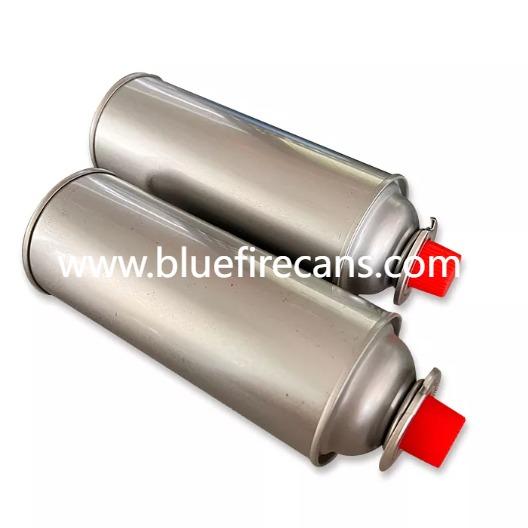
The last light of day settles on the ridge and the simple comfort of a hot meal feels like a small victory. When you are hungry and tired, a reliable fuel source can change the tone of an evening. For many campers the familiar weight of a stove canister in the pack is a quiet reassurance, and among those options the Camping Gas Cartridge sits in that mix of habit and trust.
Begin by treating fuel as a variable rather than a fixed item. Conditions shift on the trail and so does consumption. A calm evening near a lake will demand less flame time than a blustery pass where wind and low temperatures slow boil times. Learn which cooking moves save the most runs of the burner. Using a snug lid, starting with the smallest practical amount of water, and bringing heat up quickly before lowering to a gentle maintain saves noticeably more fuel than leaving a high flame for too long.
Work with cookware that matches the task. A wide pot boils faster than a tall thin one when you need quick water for a drink. A pot that fits a lid closely traps steam and reduces repeat heats. Carry a mug with a lid so a single quick boil can warm a partner for minutes while you prep. These small swaps add up on a multi night journey and keep pack weight sensible.
Mind the attachment between stove and canister. A clean thread and a snug connection let the stove run efficiently and reduce leaks. Practice attaching gear at home until the motion is easy by headlamp light. A slow drip or a faint hiss that goes unnoticed may shorten usable time and create anxiety on the final night. Check seals quietly before lighting and keep a tiny cleaning rag with the stove to wipe grime that collects in camps.
Control the flame like a chef rather than a furnace operator. High output is useful for initial boiling or when time is tight. Once water reaches a boil step down to a maintained warmth to finish rehydration. Constantly running on high burns disproportionate amounts of fuel. For simmering learn the lowest setting that will keep food moving. That careful touch makes a single canister last several meals longer than hurried full power use.
Protect pressure when temperature drops. Fuel inside a container loses pressure as it cools and then the stove sputters. Keep the canister warm when not in use by placing it inside an insulated pocket or near clothing and when the stove is active use brief bursts to recover pressure rather than long continuous blasts. In very cold camps pre warming a little water in an insulated bottle before heating reduces burner time and eases the strain on the canister.
Think about group roles to avoid duplication. When more people travel together assigning a single cook for communal meals eliminates multiple burners running at once. One well timed boil can serve several people if you coordinate cups and bowls. Sharing a larger pot accelerates heating and conserves total fuel consumption.
Carry a sensible spare and track usage. A single spare canister often provides enough insurance for a short trip. For longer journeys calculate how many boils you expect per day and add a practical buffer. A pencil tally on the canister after each use gives a quick visual inventory without math. This habit cuts down on the last night scramble and replaces it with calm calculation.
Wind visuals matter as much as weather reports. Place a low barrier behind the stove or use natural features to block gusts without enclosing the burner fully. A clever arrangement can reduce cook times substantially. Avoid enclosing the stove on all sides because that can trap heat and create hazards. Instead use a partial shield and pair it with mindful pot placement to keep flame efficiency high.
Practice at home with the exact setup you plan to bring. Time a standard two cup boil with your pot and stove and note how many heats you get from a canister. Those numbers are personal and they beat generic advice. Make small adjustments to meals and gear based on the results so your next trip begins with calibrated expectations rather than guesswork.
Safety is part of conservation. Keep containers upright, shield them from direct sun, and store empties for proper disposal. Do not attempt to refill disposable containers. Treat fuel with respect and the gear will reward you with steady performance.
On the trail fuel management becomes part of the rhythm of travel. A few thoughtful practices around cookware choice flame control and group planning let a single canister provide more warmth and more meals. With habits built through practice you trade worry for a simple routine that leaves time for conversation and stargazing. For product options and more details visit https://www.bluefirecans.com/ .

 Arabic
 French
 Spanish
 Portuguese
 Deutsch
 Turkish
 Dutch
Dutch
 Italiano
 Russian
 Romaian
 Portuguese (Brazil)
 Greek
Greek
