


How Does Polyester Cationic Knitted Fabric Affect Dyeing?
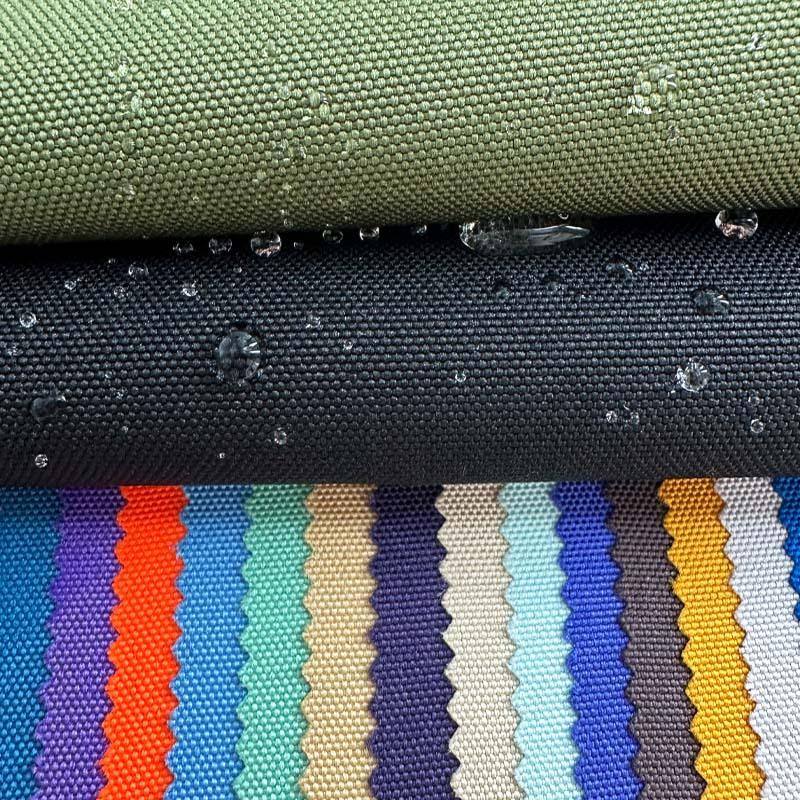
Fabric appearance plays an important role in apparel development. Color depth, surface texture, softness, and visual consistency can all influence how a finished garment looks and feels. For textile buyers and garment manufacturers looking for a material with distinctive dyeing characteristics, Polyester Cationic Knitted Fabric provides an interesting option.
Unlike conventional polyester, cationic-dyeable polyester is modified during fiber production so that it has specific dye sites with an affinity for cationic dyes. This difference changes how the fiber responds during the dyeing process and allows manufacturers to develop shades and visual effects that can be difficult to achieve with standard polyester.
What Makes Cationic Polyester Different?
The term “cationic” refers to the dyeing characteristics of the polyester fiber rather than simply describing the fabric construction. Cationic-dyeable polyester can interact with cationic dyes differently from conventional polyester.
This feature can be particularly useful for fabric developers working with deep colors, heather effects, mixed shades, or other visual treatments. Research on cationic polyester knitted fabrics has also examined how processing conditions influence dimensional stability, fabric weight, and mechanical properties.
For manufacturers, this means that fabric development involves more than choosing a color from a sample book. Yarn specification, knitting structure, GSM, dye selection, heat setting, and finishing conditions can all influence the final result.
How Does Dyeing Influence the Final Appearance?
Dyeing is an important stage in the development of Polyester Cationic Knitted Fabric. The modified polyester structure provides specific sites for cationic dye interaction, which can help produce strong and visually distinctive shades.
This can be useful for garments that depend heavily on color presentation. Sportswear, casual clothing, fashion garments, uniforms, and lifestyle apparel may all benefit from carefully controlled color development.
Another interesting possibility comes from combining cationic-dyeable polyester with conventional polyester. Because the two fiber types can respond differently to dyes, manufacturers can create heather or two-tone visual effects within a polyester fabric construction.
Such effects can add depth to a fabric surface without relying entirely on printed patterns. This gives designers another way to create a recognizable textile appearance while maintaining a synthetic fiber base.
Does Knitted Construction Matter?
Yes. The dyeing properties of the fiber are only part of the finished fabric.
Knitted construction affects stretch, drape, surface texture, air movement, and garment comfort. Single jersey, interlock, rib, and other structures can produce different fabric characteristics even when the fiber composition is similar.
For example, a lightweight knitted structure may be suitable for casual tops or sportswear, while a denser structure can provide a different hand feel and garment appearance. Fabric weight also affects how the material behaves during cutting, sewing, dyeing, washing, and finishing.
A 2025 research study used a 100% cationic dyeable polyester plain single jersey fabric with a 130 GSM construction to investigate dyeing behavior. This illustrates why buyers should consider the complete fabric specification rather than evaluating the word “cationic” alone.
What Should Buyers Check Before Ordering?
Buyers sourcing Polyester Cationic Knitted Fabric can review several technical details before confirming an order:
- Fiber composition and yarn type
- Knitted construction
- Fabric width
- GSM
- Stretch characteristics
- Dyeing method
- Color requirements
- Shrinkage expectations
- Finishing treatment
- Surface hand feel
- Color consistency between production lots
These details help connect the fabric specification with the intended garment application.
For manufacturers working on repeated production programs, shade consistency is particularly important. A fabric specification should therefore be established before bulk production rather than relying only on a general fabric name.
Where Can This Fabric Be Used?
Polyester Cationic Knitted Fabric can be developed for a range of apparel applications. Sportswear and activewear are common areas because polyester-based knitted fabrics can combine flexibility with easy-care characteristics. The material can also be considered for casual tops, fashion garments, uniforms, lightweight jackets, and other clothing products.
The visual possibilities are another reason designers may consider cationic polyester. Deep shades, heather appearances, and two-tone effects can support collections that require more surface character than a conventional single-color polyester fabric.
Conclusion
Polyester Cationic Knitted Fabric combines knitted textile construction with the special dyeing characteristics of cationic-dyeable polyester. Its value comes from the relationship between fiber chemistry, fabric construction, dye selection, and finishing.
For textile buyers and garment manufacturers, understanding these factors makes it easier to develop fabrics that match specific color, texture, weight, and performance requirements. Rather than treating cationic fabric as simply another polyester option, it can be viewed as a material platform for developing distinctive knitted textiles.

 Arabic
 French
 Spanish
 Portuguese
 Deutsch
 Turkish
 Dutch
Dutch
 Italiano
 Russian
 Romaian
 Portuguese (Brazil)
 Greek
Greek
