


LongHui Resin Zipper Machine Manufacturing Guide
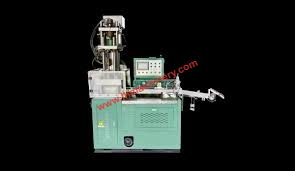
A zipper seems like a small detail until it fails. A stuck pull, a split tooth, or a broken slider can ruin a jacket, a suitcase, or a pair of boots at the worst possible moment. Manufacturers weigh this risk when selecting closures, and the debate between resin and metal often comes down to durability. This question matters just as much on the production side, where a resin zipper machine determines whether every unit leaves the line with consistent quality. Lhmachinery builds equipment for this exact purpose, and the company's experience shows how production method shapes the final product. So how does a resin zipper actually compare to a metal one when put to the test?
Where Each Type Excels
Metal zippers bring undeniable strength to heavy applications. They resist pulling apart under load and handle the stress of workwear, denim, and industrial bags. Their weight and rigidity, however, make them less suited to lightweight fabrics, and they can corrode when exposed to moisture over time. Resin zippers offer a different profile. Molded teeth resist rust, slide smoothly, and add little weight to the finished product. They suit jackets, sportswear, luggage, and outdoor gear where flexibility and weather resistance matter. The choice often depends on what the finished item will face in daily use rather than on a single measure of strength.
Cold, Heat, and Daily Wear
Temperature affects both types in different ways. Metal conducts cold and can become stiff in freezing conditions, while resin retains flexibility across a wider temperature range. Resin teeth may wear down after years of heavy use, particularly if the zipper carries constant tension. Metal teeth hold their shape but can snag fabric or damage the slider track if misaligned. Neither option wins across every scenario, which is why manufacturers match the closure to the product's actual demands rather than assuming one type suits all. Testing samples under real conditions reveals far more than catalog specifications alone.
How Production Quality Shapes Durability
A zipper performs only as well as the machine that made it. Injection molding determines tooth shape, spacing, and how firmly each element bonds to the tape. Inconsistent molding produces teeth that sit unevenly, which leads to jamming and premature failure. Automated equipment addresses this by controlling resin flow, mold temperature, and cycle timing with precision. Buyers researching production options can review the equipment at https://www.lhmachinery.com/, where LongHui Machinery presents an automatic resin zipper machine built for consistent output. The company operates from Lishui City and produces both cold heading forming machines and zipper injection molding equipment, giving it a broad view of fastener and closure manufacturing. Its machines use servo systems and patented technology to maintain stable operation across long production runs. For factories weighing resin against metal, the deciding factor often comes down to which process they can control with confidence.

 English
 Arabic
 French
 Spanish
 Portuguese
 Deutsch
 Turkish
 Dutch
Dutch
 Italiano
 Romaian
 Portuguese (Brazil)
 Greek
Greek
