


The Role of Skin Thickness in Rhinoplasty Results
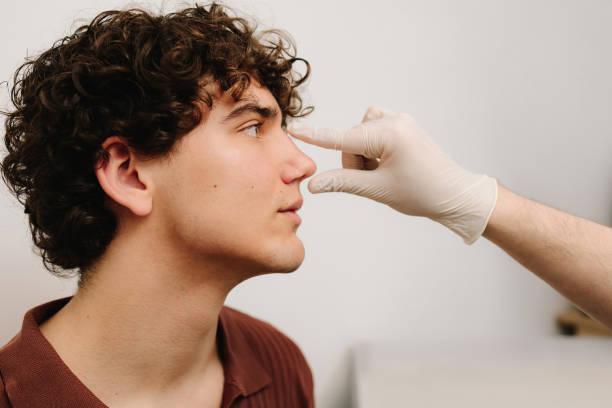
Rhinoplasty involves more than reshaping the underlying nasal bones and cartilage. The skin and soft tissue covering the nose also play an important role in how the final result appears. Skin thickness can influence the visibility of structural changes, the definition of the nasal tip, and the length of the healing process. Understanding this factor can help patients develop realistic expectations when considering Rhinoplasty in Riyadh (سعر عملية تجميل الانف في الرياض).
Why Skin Thickness Matters in Rhinoplasty
The nasal skin covers the underlying framework created by bone and cartilage. After surgery, the skin and soft tissue must gradually adapt to the newly shaped structures.
Thin Nasal Skin
Thin skin may reveal underlying contours more clearly. This can allow subtle structural refinements to become noticeable, but it can also make minor irregularities more visible during or after healing.
Thick Nasal Skin
Thicker skin and soft tissue can provide more coverage over the nasal framework. However, it may be more difficult to achieve sharp definition, particularly around the nasal tip. Swelling can also remain noticeable for a longer period.
How Skin Thickness Affects the Nasal Tip
The nasal tip is one of the areas where skin characteristics can have a particularly noticeable effect.
Tip Definition
Patients with thinner skin may see more definition after tip refinement because the underlying cartilage can become more visible. With thicker skin, the same structural changes may appear softer or less sharply defined.
Postoperative Swelling
The nasal tip can remain swollen longer than other areas of the nose. Skin thickness, tissue response, and the extent of surgical modification can all influence how quickly definition develops.
Skin Thickness and Surgical Planning
A surgeon considers skin characteristics when developing an individualized rhinoplasty plan. The goal is not simply to reshape the underlying framework but to create changes that work appropriately with the patient's soft tissue.
Choosing the Right Structural Changes
The amount and type of cartilage or bone modification may depend on the patient's skin and underlying anatomy. Overly aggressive reduction may not produce the desired appearance, particularly when thicker skin limits visible definition.
Preserving Structural Support
Maintaining adequate nasal support is essential regardless of skin thickness. A well-planned procedure should balance aesthetic goals with the need to maintain a stable nasal framework.
How Thick Skin Can Influence Results
Patients with thicker nasal skin may require patience during the healing process because swelling can take longer to settle.
Gradual Definition
The final shape may become clearer progressively as postoperative swelling decreases. The nose may initially appear fuller or less defined than expected.
Managing Expectations
Patients should understand that the same surgical technique can produce different visible results depending on skin characteristics. A surgeon should explain what level of refinement is realistically achievable.
How Thin Skin Can Influence Results
Thin skin can make structural changes more visible. While this can help create definition, it may also increase the visibility of small irregularities.
Greater Visibility of Contours
Minor changes in the underlying cartilage or bone may become easier to see through thinner skin. Careful surgical planning is therefore particularly important.
Importance of Smooth Structural Contours
The underlying nasal framework should be carefully shaped and supported to reduce the likelihood of noticeable irregularities. The surgeon must consider both the desired shape and how the skin will cover the final structure.
Skin Thickness and Recovery
Healing after rhinoplasty varies from patient to patient. Skin thickness can influence how quickly swelling resolves and when the final nasal contours become apparent.
Patients should not judge their final result too early in the recovery process. Temporary swelling can alter the appearance of the bridge and tip, and gradual changes may continue for months.
Can Skin Thickness Be Changed During Rhinoplasty?
Rhinoplasty primarily focuses on modifying the underlying nasal framework rather than changing the basic thickness of the nasal skin. Surgical planning is instead adapted to work with the patient's existing soft-tissue characteristics.
For patients considering Rhinoplasty in Riyadh, understanding their skin type can help establish realistic expectations regarding definition, swelling, and the overall appearance of the final result.
The Importance of Personalized Treatment Planning
There is no single rhinoplasty technique that is ideal for every patient. Skin thickness is only one of several factors that should be evaluated alongside nasal bone structure, cartilage strength, facial proportions, nasal function, and individual goals.
Evaluating the Complete Nasal Structure
A comprehensive consultation allows the surgeon to assess the external appearance and underlying anatomy. This helps determine which modifications may create a balanced and natural-looking outcome.
Setting Realistic Goals
Patients should understand how their individual anatomy may influence the final result. The goal is to create meaningful improvement while respecting the natural limitations of the skin and nasal framework.
Why Skin Thickness Should Be Discussed During Consultation
Understanding skin characteristics before surgery can help patients make informed decisions. It also gives the surgeon an opportunity to explain how swelling, definition, and healing may differ from one individual to another.
With appropriate planning, Rhinoplasty in Riyadh can be tailored to the patient's skin thickness, nasal structure, facial proportions, and desired outcome. A personalized approach can help create results that look balanced and appropriate for the individual face.
Book an Appointment at Royal Clinic Saudia
If you are considering rhinoplasty and want to understand how your skin thickness may affect the procedure and recovery, a professional consultation can provide personalized guidance. At Royal Clinic Saudia ( عيادات رويال كلينك ), patients can discuss their goals and receive an assessment based on their unique nasal and facial characteristics. Book an appointment to explore your options for Rhinoplasty in Riyadh.
FAQs:
Does thick skin make rhinoplasty more difficult?
Thicker skin can make certain types of definition more challenging and may require a carefully planned approach, particularly around the nasal tip.
Does thin skin show rhinoplasty results more clearly?
Thin skin may make structural changes more visible, but it can also make minor irregularities easier to notice.
Does skin thickness affect rhinoplasty recovery?
It can influence how quickly swelling settles and when the final nasal contours become visible.
Can a surgeon change the thickness of nasal skin during rhinoplasty?
Rhinoplasty generally does not change the basic thickness of the nasal skin. Instead, the surgical plan is adapted to the patient's existing soft-tissue characteristics.

 English
 Arabic
 French
 Spanish
 Portuguese
 Deutsch
 Turkish
 Dutch
Dutch
 Italiano
 Romaian
 Portuguese (Brazil)
 Greek
Greek
