


How to Manage a Large Growing Operation Under One Dome
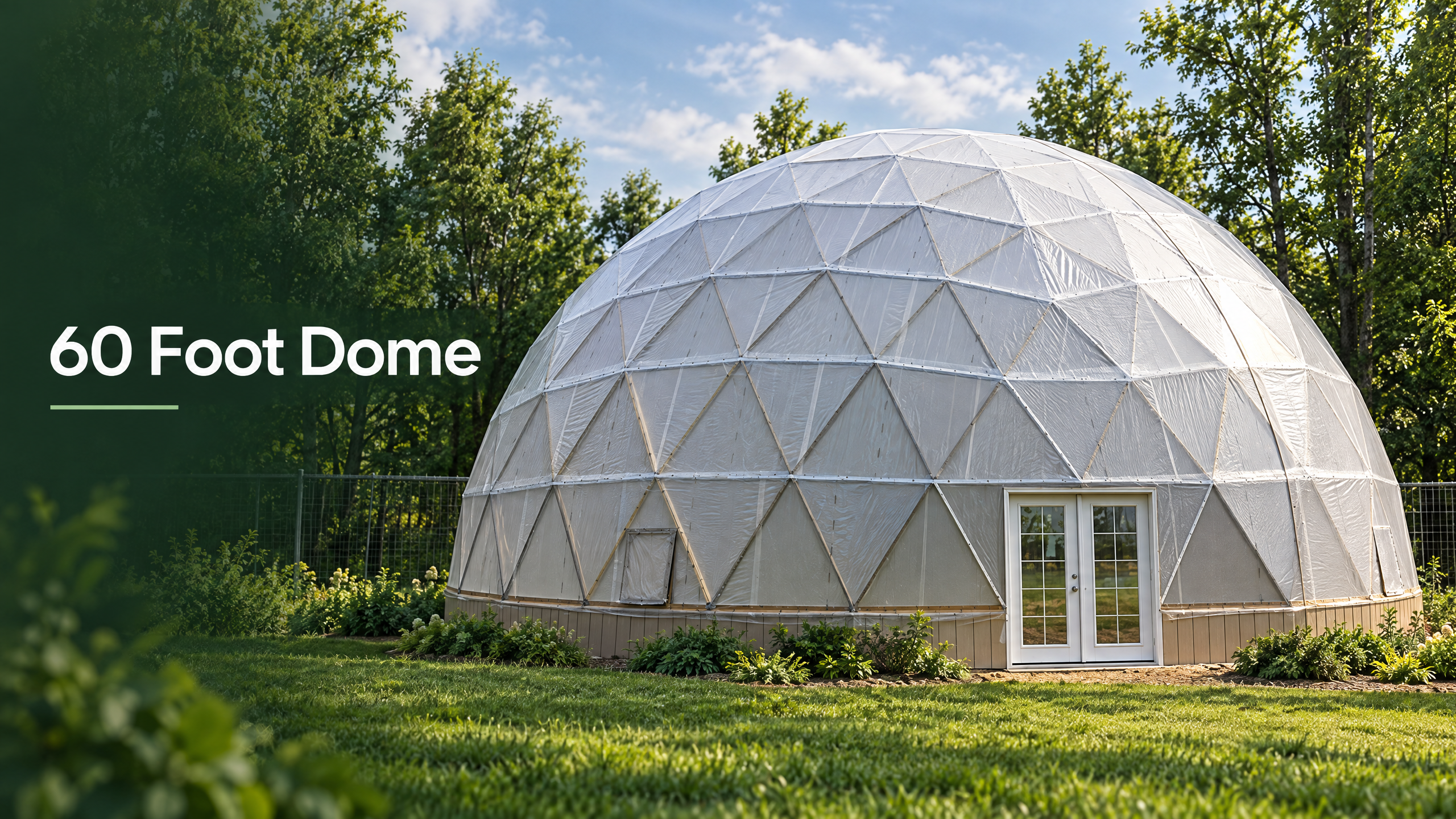
Managing a large growing operation requires more than simply having enough room for plants. A larger growing environment needs thoughtful organization, clear pathways, suitable planting areas, and a layout that makes everyday work manageable. A 60 Ft Geodesic Greenhouse can give growers the space needed to bring multiple growing activities together under one structure.
With a large greenhouse, growers can create dedicated areas for vegetables, herbs, seedlings, flowers, equipment, and other purposes. The goal is to use the available space efficiently while keeping the operation flexible enough to adjust as growing needs change.
Start With a Practical Layout
Before filling a large greenhouse, create a basic layout of how the space will be used. Consider where crops will be planted, where people will walk, and where equipment or supplies will be stored.
A clear layout can prevent different activities from interfering with each other. It can also make it easier for workers or gardeners to understand where specific crops and supplies are located.
When planning a large growing operation, think about both current needs and future changes. A flexible layout can make it easier to expand or rearrange different growing areas.
Divide the Greenhouse Into Sections
A large growing structure does not need to function as one open planting area. Dividing the space into sections can make it much easier to manage.
One section might be used for vegetables, another for herbs, and another for seedlings. You could also dedicate an area to flowers or plants that require different growing conditions.
Separating crops can help organize watering, maintenance, harvesting, and monitoring. It also makes it easier to keep track of what is growing in each part of the greenhouse.
Plan Accessible Pathways
Pathways become increasingly important as the growing space gets larger. Workers need to move between planting areas without damaging crops or creating unnecessary obstacles.
Create clear paths that allow people to reach different sections comfortably. Consider how carts, containers, tools, and other equipment will move through the greenhouse.
Avoid placing plants too close to main pathways. Leaving adequate room can make regular maintenance and harvesting much easier.
Make Use of Vertical Space
Large growing structures can provide more than just floor space. The height of a dome can also support vertical growing methods.
Trellises can be used for climbing plants, while shelves can provide space for seedlings and smaller crops. Using vertical areas can help increase growing capacity without filling every part of the floor.
However, vertical systems should still be positioned carefully. Make sure they do not block pathways or prevent workers from reaching nearby plants.
Organize Crops by Growing Requirements
Different crops have different requirements for sunlight, water, spacing, and maintenance. Organizing plants according to these needs can simplify daily operations.
Crops with similar watering requirements can be placed in the same general area. Plants with comparable sunlight requirements can also be grouped together.
This type of organization can help growers manage larger numbers of plants without treating every crop as a completely separate project.
Create Dedicated Areas for Seedlings
Seedlings often require different care than mature plants. A dedicated area can make it easier to monitor young plants and provide them with the attention they need.
Shelving, tables, or containers can be used to keep seedlings organized. Once plants are established, they can be transferred to their permanent growing areas.
Having a dedicated seedling section can also make it easier to start new crops while other plants are still growing.
Keep Equipment and Supplies Organized
A large growing operation can require a considerable amount of equipment. Tools, containers, soil, trays, watering supplies, and other materials all need accessible storage.
Designate an area for frequently used equipment so it does not take up valuable planting or pathway space.
Keeping supplies organized can save time during daily tasks. It can also reduce the risk of tools or materials being left in areas where they interfere with plant care.
Plan Watering Efficiently
Watering becomes more important as the number of plants increases. A large greenhouse may contain crops with different watering needs, so planning the system carefully can make maintenance more manageable.
Group plants with similar moisture requirements where practical. Make sure water can reach all growing areas without requiring unnecessary movement through the greenhouse.
Regularly check watering equipment and planting areas to make sure plants are receiving appropriate moisture.
Make Harvesting Easier
Harvesting should be considered when designing the growing layout. Crops that need frequent harvesting should be positioned where they are easy to access.
Clear pathways can make it easier to move harvested produce from the growing areas to a designated collection or storage area.
Keeping frequently harvested crops close to accessible paths can reduce unnecessary movement and make the overall operation more efficient.
Keep Maintenance Areas Accessible
Every growing operation requires regular maintenance. Plants need to be inspected, pruned, watered, supported, and monitored throughout their growing cycles.
Leave enough room around planting areas so these tasks can be performed comfortably. Avoid creating sections that are difficult to reach once plants become fully grown.
Good accessibility can help growers notice problems earlier and maintain crops more consistently.
Use the Dome's Space Efficiently
A geodesic dome provides a distinctive growing environment with both floor area and vertical space. A 60 Ft Geodesic Greenhouse can give large growers substantial room to organize crops and supporting activities.
Use the available floor space for primary growing areas while considering vertical systems where appropriate. The goal is not to fill every possible section, but to create an efficient balance between plants, pathways, equipment, and working areas.
Allow Room for Future Changes
A growing operation can change over time. New crops may be introduced, existing crops may require different layouts, and equipment needs can change.
Leaving some flexibility in the original design can make these changes easier. Avoid creating a layout that only works for one specific crop or growing season.
A flexible greenhouse can adapt as the operation develops.
Manage Different Growing Cycles
Large growers may have multiple crops at different stages of growth at the same time. Organizing crops by their growing cycles can help keep the operation manageable.
Seedlings can remain in their dedicated area until they are ready to move. Mature crops can occupy their established growing sections while newly planted crops are prepared elsewhere.
This approach can help maintain a continuous growing operation without creating unnecessary confusion.
Consider the People Using the Greenhouse
A large greenhouse may be managed by one person, a family, a team, or several workers. The layout should reflect how people will actually use the space.
If multiple people work inside the greenhouse, clear pathways and organized sections become even more important. Everyone should be able to understand where crops, tools, and supplies belong.
A consistent layout can help reduce unnecessary movement and make shared work more efficient.
Build a Long-Term Growing System
Managing a large greenhouse is easier when the structure is treated as a long-term growing environment rather than a temporary planting area.
Create systems for crop organization, watering, maintenance, harvesting, and equipment storage. Once these systems are established, they can be adjusted as the operation grows.
A well-organized greenhouse can provide the foundation for a wide range of growing projects over time.
Learn More About Large Geodesic Greenhouses
For more information about large greenhouse options for expanding growing operations, visit Dome Greenhouses. A properly planned growing structure can provide the room needed to organize crops, equipment, pathways, and daily operations under one roof.
Final Thoughts
Managing a large growing operation under one dome requires careful planning and organization. Dividing the greenhouse into sections, creating accessible pathways, grouping crops by their requirements, and keeping equipment organized can make a large growing environment easier to manage.
A 60 Ft Geodesic Greenhouse can provide the space needed for substantial growing projects while giving growers flexibility to adapt their layout over time. With a practical system in place, the available space can support a productive and organized growing operation.
FAQs
How do you organize a large greenhouse?
Start by dividing the greenhouse into growing sections based on crop type and growing requirements. Include clear pathways, equipment areas, seedling sections, and accessible maintenance spaces.
What can you grow in a 60 Ft Geodesic Greenhouse?
A large greenhouse can accommodate vegetables, herbs, flowers, seedlings, and many other crops. The exact selection depends on the growing conditions and layout.
How can pathways improve a large growing operation?
Clear pathways make it easier to move between crops, transport equipment, perform maintenance, and harvest plants without damaging growing areas.
Should different crops have separate areas?
Separating crops can make watering, maintenance, monitoring, and harvesting easier, especially when plants have different growing requirements.
How can a large greenhouse support future growth?
A flexible layout with adaptable growing areas, organized equipment storage, and open working space can make it easier to introduce new crops or change the operation over time.

 English
 French
 Spanish
 Portuguese
 Deutsch
 Turkish
 Dutch
Dutch
 Italiano
 Russian
 Romaian
 Portuguese (Brazil)
 Greek
Greek
