


What Applications Suit Printable Translucent Film Today?
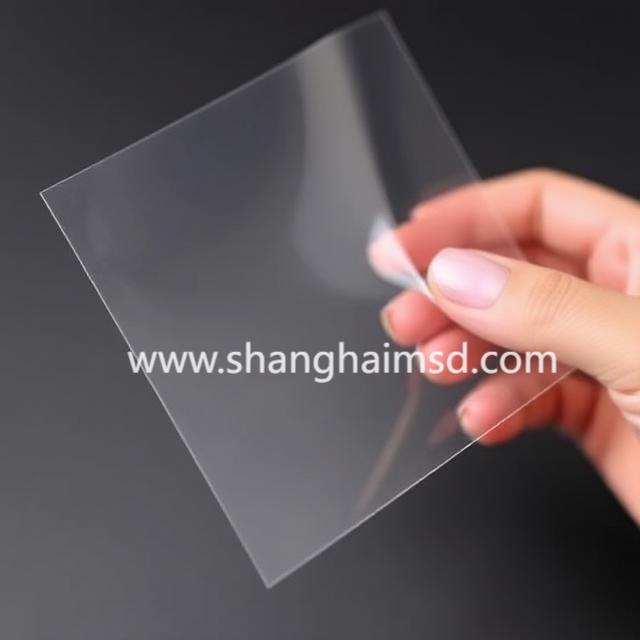
When visual communication needs both printed imagery and a gentle relationship with light, Printable Translucent Film offers an adaptable material direction, while ShanghaiMsd provides solutions for creative applications involving displays, decoration, signage, and illuminated graphics. Unlike conventional opaque graphic surfaces, translucent materials can interact with light passing through the film, creating visual effects that change with the surrounding environment. This combination gives designers another way to approach color, imagery, atmosphere, and spatial presentation.
Light can completely change how a graphic is perceived. A printed image may appear calm and understated under ordinary conditions, yet take on a different character when illumination is positioned behind it. This makes translucent surfaces useful for projects where lighting is part of the visual concept rather than simply a functional element.
Retail environments provide many opportunities for this approach. Window displays, illuminated panels, decorative walls, promotional structures, and product presentation areas can incorporate translucent graphics to create a more layered visual experience. Instead of treating lighting and printed artwork as separate elements, designers can bring them together through the material itself.
Interior spaces can also benefit from this relationship between image and illumination. Restaurants, hotels, showrooms, exhibition areas, entertainment venues, and creative workspaces may use translucent graphics to introduce color and atmosphere. Depending on the design, a softly illuminated surface can act as a decorative feature, visual divider, directional element, or focal point within a room.
Graphic preparation becomes especially important when working with translucent surfaces. Colors may appear differently depending on the intensity, direction, and position of the light source behind the material. Designers can therefore consider both the printed artwork and the intended lighting conditions when developing a project. This encourages a more integrated approach to color selection, contrast, imagery, and composition.
Material handling is another practical consideration. Depending on the intended use, the film may need to be cut, laminated, mounted, printed, or combined with other materials. The installation environment can also influence the choice of surface characteristics and finishing methods. Planning these details early can help create a smoother path from artwork preparation to final installation.
Translucent graphics can also contribute to temporary promotional campaigns. Seasonal retail themes, exhibition graphics, event decorations, and special displays may benefit from materials that can create a visual presence without relying entirely on solid panels. When combined with suitable illumination, even a relatively simple graphic concept can become part of the surrounding atmosphere.
Signage is another area where light and graphics can work together. Illuminated directional signs, decorative identifiers, branded environments, and information panels can use translucent surfaces to make visual communication more noticeable within a space. The design should still prioritize readability, appropriate contrast, and a clear relationship between text and imagery.
For manufacturers and print professionals, understanding the complete application is essential. The desired appearance, printing process, light source, mounting method, installation location, and expected handling conditions can all influence material selection. A conversation about the finished project can therefore be more useful than choosing a film based solely on appearance.
Creative applications can extend beyond conventional advertising. Art installations, architectural decoration, exhibition structures, photography backgrounds, decorative partitions, and themed environments can all incorporate translucent printed surfaces. Here, the material becomes part of the visual architecture, helping designers create spaces where light, color, and imagery interact.
The appeal of translucent graphics lies in their ability to create an atmosphere rather than simply display a message. A printed surface can become brighter, softer, deeper, or more dimensional as light moves through it. This gives designers another tool for building visual experiences that respond to their surroundings.
Every project begins with a visual idea, but the material chosen can influence how that idea behaves in the real world. If your next display, interior, signage, or illuminated graphic needs a different relationship with light, visit https://www.shanghaimsd.com/product/ and browse the possibilities. Your concept may be waiting for the right surface to let the light become part of the story.

 English
 Arabic
 French
 Spanish
 Portuguese
 Deutsch
 Dutch
 Italiano
 Russian
 Romaian
 Portuguese (Brazil)
 Greek
