


What Nuts Can A Cold Heading Nut Machine Make
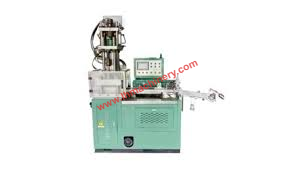
Can A Nut Machine Process Different Types Of Nuts
A fastener plant books a new order and the buyer asks a plain question. Can the same machine that ran hex nuts last month run flange nuts next week, or does the shop need a second line? The answer shapes the quote, the lead time, and the floor space. It also decides whether a small plant can serve many customers or must narrow its range. So can a nut machine process different types of nuts, and what does it take to make that happen?
What A Nut Machine Actually Does
A nut machine, in the cold heading family, takes wire or rod and forms a nut through a series of stations. Each station punches, upsets, or trims the metal until the shape is complete. Multi-station models run several steps in one pass, which raises output and holds tolerance. The die set and the tooling define the shape the machine can produce, so the range of a machine depends on what sits inside it.
Where The Range Comes From
A machine can run many nut types when three things line up. First, the die and punch set must match the nut profile, whether that is a hex, a flange, a nylon insert lock nut, or a weld nut. Second, the wire diameter and grade must suit the station sequence, since hard steel needs different force and timing than soft steel. Third, the transfer system must carry the part from station to station without losing alignment. Change the tooling and the settings, and the same frame can produce a different nut.
Common Nut Types On One Line
Plants that run cold heading equipment often produce hex nuts, flange nuts, cap nuts, wing nuts, and lock nuts across a range of sizes. Some lines add special shapes for automotive, motorcycle, bicycle, and furniture hardware work. A single machine can cover several of these when the shop keeps the right die sets on hand and trains the setup team to change them with care. Changeover time decides how flexible the line really is in daily use.
What Limits A Single Machine
Size sets a firm boundary. A machine built for small nuts cannot form large ones, because the frame, the stroke, and the die space all cap the part. Material grade matters too. A model tuned for mild steel may struggle with high-strength alloy unless the builder designed it for that load. Some nut designs need extra steps, such as tapping or a nylon insert, which sit outside the forming cycle. So a machine covers a band of nut types, not every nut on the market.
How To Judge A Machine Before You Buy
Ask the builder which nut profiles the machine handles as standard, and which need custom tooling. Ask about the wire range, in diameter and grade. Ask how long a die change takes and whether the settings are saved for repeat jobs. Ask about output per minute at the sizes you plan to run. Ask what spare parts the builder stocks and how fast a technician can reach your plant. These answers tell you whether the machine fits your order book or only your first job.
This is where a supplier such as lhmachinery enters the picture. Zhejiang Longhui Machinery builds multi-station cold heading forming machines for fastener production, along with automatic zipper injection molding machines, and it serves industries that include automotive, motorcycle, bicycle, construction hardware, and furniture hardware. A builder that understands how nuts perform in real assemblies can advise on die design, station layout, and material flow, which matters when a plant wants one line to cover many nut types.
You can review machine series and specifications at https://www.lhmachinery.com/product/ and match a model to the nut sizes and grades your customers order.
Keeping The Range Wide Over Time
A plant protects its flexibility with a few habits. Store die sets in labeled racks so a changeover starts fast. Log the settings for each nut type and reuse them on the next run. Check punches and dies on a set schedule, since worn tooling drives tolerance drift. Train two or three operators on setup, so the line keeps running when one person takes leave. Track which nut types sell and which sit idle, then stock tooling for the ones that move.
A nut machine can serve many nut types when the builder designs it for that range and the plant manages tooling and setup with care. It cannot do everything, and no honest builder will claim it can. The buyer who knows the limits gets a line that earns its space.
A plant that maps its nut sizes, materials, and output targets before ordering will know whether one nut machine can carry the order book, and buyers who want to compare series and tooling options can review the nut machine lineup at https://www.lhmachinery.com/ before they commit.

 Arabic
 French
 Spanish
 Portuguese
 Deutsch
 Turkish
 Dutch
Dutch
 Italiano
 Russian
 Romaian
 Portuguese (Brazil)
 Greek
Greek
