


What should be checked when a TCL television switches inputs unexpectedly while external devices are connected?
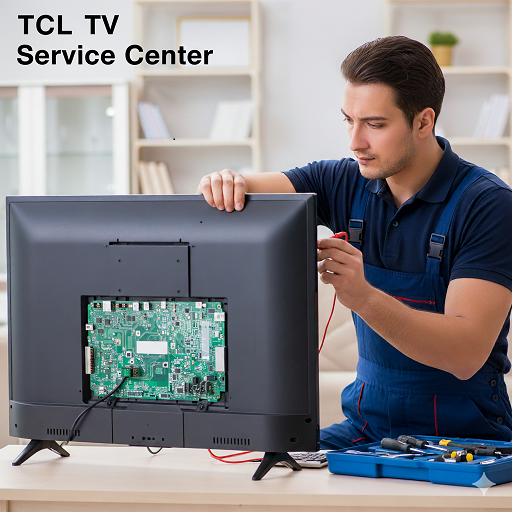
Introduction
A TCL television that switches inputs without warning can interrupt movies, gaming sessions, video calls, and regular TV viewing. The screen may move from HDMI 1 to HDMI 2, return to the home screen, or select a connected device even when nobody has pressed a button. These changes can occur because of HDMI communication settings, connected device behavior, remote-control issues, unstable cables, or television software problems. Identifying the cause requires checking the TV and every connected device rather than assuming the television itself is faulty.
If the issue keeps happening, a systematic inspection can help narrow down the source. Users looking for a TCL TV Service Center in Cooke Town can explore professional troubleshooting support when basic checks do not resolve unexpected input changes.
Why Does a TCL TV Switch Inputs Automatically?
Modern televisions communicate with external equipment such as streaming devices, gaming consoles, set-top boxes, soundbars, and Blu-ray players. When a connected device powers on or sends a control signal, the television may automatically switch to its input. This behavior is often associated with HDMI-CEC, a feature designed to make multiple devices work together.
However, an input change that happens repeatedly without a clear reason may indicate a configuration problem or an inconsistent signal. The first step is to observe when the switch occurs. Does it happen when a console starts, when a streaming device wakes up, after the TV has been idle, or randomly during viewing? The timing can help identify the device or setting responsible.
1. Inspect HDMI Cables and Connections
Loose or damaged HDMI cables can interfere with communication between the television and external equipment. Although a cable problem more commonly causes a blank screen, flickering, or signal loss, unstable connections can also contribute to confusing input behavior.
Turn off the television and connected equipment before inspecting the connections. Check that each HDMI cable is firmly seated in the correct port. Look for bent connectors, visible damage, excessive strain, or cables that become loose when equipment is moved.
If several devices are connected, test them individually. Replace a questionable cable with a known-working HDMI cable and observe whether the problem returns. You can also connect the device to another available HDMI port to determine whether the behavior follows the device or remains associated with one port.
Avoid repeatedly pulling or twisting cables while the television is running. If an HDMI port appears physically damaged or cannot maintain a stable connection, it may need professional inspection.
2. Check HDMI-CEC and Automatic Input Switching
HDMI-CEC allows compatible devices to control certain television functions through an HDMI connection. Depending on the devices and settings involved, powering on a console, streaming stick, or set-top box may cause the TV to select that device automatically.
If input switching occurs whenever another device starts, HDMI-CEC is a useful setting to investigate. TCL televisions may use different menu names depending on the model and operating system. Look for settings such as HDMI-CEC, CEC Control, T-Link, or device-control options under the system or input settings.
Temporarily disable HDMI-CEC on the television or the suspected connected device, then observe whether the input changes stop. If the problem disappears, review the connected device's control settings before deciding whether to keep the feature disabled.
Remember that disabling CEC can also prevent convenient functions such as using one remote to control multiple devices or automatically powering connected equipment on and off. Change one setting at a time so you can identify which adjustment makes a difference.
3. Test the Remote Control for Stuck Buttons
A remote control can cause unexpected input changes if its buttons are stuck, damaged, or being pressed accidentally. The input or source button is particularly relevant, but a faulty remote may also send inconsistent commands that are difficult to identify.
Remove the batteries from the TCL remote temporarily and continue using the television's physical controls or another supported control method. If the input switching stops, inspect the remote for stuck buttons, dirt around the controls, liquid damage, or signs of wear.
Also check whether a universal remote, gaming accessory, or connected control system can send commands to the television. If multiple remotes are available, test them separately rather than using them all during troubleshooting.
Replace weak batteries if the remote behaves unpredictably. If the problem continues even when the original remote has no batteries installed, investigate the television settings and connected equipment instead.
4. Disconnect External Devices One at a Time
A connected device may be sending an automatic input-selection command or repeatedly waking up. Streaming sticks, game consoles, cable boxes, media players, and soundbars are all worth checking.
Start by disconnecting all external HDMI devices while leaving the television powered on. Select the TV's home screen or another built-in source and monitor its behavior. If the unexpected switching stops, reconnect the devices individually.
After reconnecting each device, wait long enough to see whether the issue returns. When the input switches immediately after a particular device is connected or powered on, inspect its power-management settings, HDMI-CEC options, firmware, and startup behavior.
This process helps distinguish a television-side problem from a connected-device issue. It is more reliable than changing several settings at once because it makes the source easier to identify.
5. Review Input and Startup Preferences
Some TCL televisions provide options for choosing the startup screen, remembering the last-used input, or automatically opening a connected device. Software updates or settings changes may also alter how the television handles external sources.
Open the television's settings and review startup behavior, input preferences, and connected-device options. If the television consistently returns to the home screen or chooses the same unwanted input after restarting, a startup preference may be responsible.
Test the television after adjusting one setting. If the behavior changes, note the original configuration so it can be restored if necessary. Avoid changing unrelated picture, sound, or network settings while investigating an input-selection problem.
If the menus differ from the instructions you find online, consult the guide for your exact TCL model. Menu names and available options can vary across television generations and operating systems.
6. Update the Television and Connected Equipment
Outdated software can sometimes cause compatibility problems between a television and HDMI-connected devices. Updates may improve device communication, correct known bugs, or refine input-handling behavior.
Check the TCL television's system settings for available software updates. Follow the on-screen instructions and avoid disconnecting power during an update. Also check for updates on streaming devices, consoles, and set-top boxes that are connected to the television.
After updating, restart the television and connected equipment. Test the same setup that previously triggered the input changes. If the issue began immediately after a recent update, record the software version and the timing of the problem. This information can help a technician determine whether a compatibility issue may be involved.
Only install software intended for the exact device model. Do not use unofficial firmware or attempt a manual installation unless the manufacturer's instructions specifically support it.
7. Restart the TV and Perform a Controlled Power Reset
Temporary software glitches may affect how the television detects connected devices. A normal restart can clear some temporary issues without erasing personal settings.
Turn off the television and connected equipment. Unplug the television from the wall outlet, wait about a minute, and reconnect it. Restart the external devices afterward, preferably one at a time.
Observe whether the TV stays on the selected input. If the issue returns only after a particular device starts, focus on that device and its HDMI-control settings.
A power reset is different from a factory reset. A factory reset may erase installed applications, saved preferences, and network details, so it should not be the first troubleshooting step. Consider it only after simpler checks have failed and after reviewing the instructions for your model.
8. Check for Problems With a Specific HDMI Port
If the television switches inputs or loses a connected device only when one HDMI port is in use, that port may require closer examination. The cause could be a damaged connector, poor contact, or a compatibility issue involving the device and port.
Move the same external device to another compatible HDMI port, using the same cable where practical. Then test the original port with a different known-working device. These comparisons help establish whether the issue follows the cable, the connected equipment, or the television port.
Do not insert tools into the HDMI socket or attempt to bend its internal contacts. If the port feels loose, has visible damage, or repeatedly fails to detect devices, arrange a professional inspection.
9. Determine Whether the Issue Is Related to a Soundbar or Receiver
Audio equipment connected through HDMI can sometimes influence input behavior because compatible soundbars and AV receivers may exchange control signals with the television. This can happen when the equipment powers on, changes operating modes, or wakes from standby.
If a soundbar or receiver is connected, temporarily disconnect its HDMI cable and test the television with another source. If the input switching stops, review the audio device's CEC, standby, and automatic power settings.
For a setup that uses HDMI ARC or eARC, consult the manuals for both devices before changing advanced audio settings. The aim is to isolate the control signal without unnecessarily disrupting the audio configuration.
If the problem persists with the audio equipment disconnected, continue checking other external devices and television settings.
10. Recognize When Professional Diagnosis Is Needed
If the TV changes inputs even after external devices have been disconnected, the remote has been ruled out, and software settings have been reviewed, the issue may require a more detailed inspection. Possible causes include a faulty control button, an internal control-board problem, or a software issue that cannot be resolved through normal settings.
Make a note of the television model, the input selected before the switch, how frequently it happens, and any connected equipment involved. A short video of the behavior can also help demonstrate the fault.
For users seeking a TCL TV Service Center in Gultekdi, professional troubleshooting may help identify whether the problem comes from a configuration issue, a connected device, or a television component. Avoid opening the television yourself, as internal components may present electrical hazards even after the unit has been unplugged.
TCL TV Input-Switching Troubleshooting in Local Areas
When basic troubleshooting does not identify the cause, local service support can help users investigate recurring television problems. People searching for a TCL TV Service Center in HITEC City can look for assistance with HDMI connectivity, unexpected source changes, remote-control faults, software behavior, and related TV issues.
Before arranging a service visit, prepare a short description of the problem. Mention whether the switching happens with one device or several, whether HDMI-CEC is enabled, and whether the issue continues when external equipment is disconnected. This information can make diagnosis more efficient.
Service requirements may vary by model and fault. Confirm the available service arrangements, inspection process, and any applicable warranty conditions before proceeding with repairs.
Conclusion
A TCL television that changes inputs unexpectedly may be responding to HDMI-CEC commands, a faulty remote, unstable cables, external-device behavior, startup preferences, or software issues. Checking these possibilities one at a time is the most practical way to isolate the cause. Begin with cable connections and remote controls, then disconnect devices individually, review HDMI-CEC settings, and check for software updates. If the problem continues with external equipment removed, professional diagnosis may be necessary. Dial Service Centre can be considered when further troubleshooting support is needed to investigate recurring TV input and connectivity problems.
Frequently Asked Questions
1. Why does my TCL TV switch to another HDMI input automatically?
The television may be receiving an automatic input command from a connected console, streaming device, set-top box, or soundbar. HDMI-CEC is a common setting to check. Temporarily disable it and test the television to see whether the switching stops.
2. Can a faulty HDMI cable cause a TCL TV to change inputs?
A damaged or loose HDMI cable can cause unstable device detection or signal interruptions. Try a known-working cable and another HDMI port. If the issue continues, test the connected device separately.
3. How can I tell whether the TCL remote is causing the problem?
Remove the batteries from the remote and monitor the TV using its physical controls or another supported method. If the unexpected switching stops, inspect the remote for stuck or damaged buttons and replace its batteries if needed.
4. Should I factory-reset my TCL television if inputs keep changing?
A factory reset may help with persistent software or configuration problems, but it should not be the first step. Check cables, external devices, HDMI-CEC, remote controls, and software updates before resetting. Remember that a reset may erase saved settings and installed applications.
5. When should I seek professional help for TCL TV input problems?
Seek professional assistance if the television continues changing inputs after external devices and the remote have been ruled out, or if an HDMI port appears damaged. Record the circumstances in which the problem occurs so the technician can investigate more efficiently.

 English
 Arabic
 French
 Spanish
 Portuguese
 Turkish
 Dutch
Dutch
 Italiano
 Russian
 Romaian
 Portuguese (Brazil)
 Greek
Greek
