


Are Mouth Guards Essential for Protecting Your Natural Teeth?
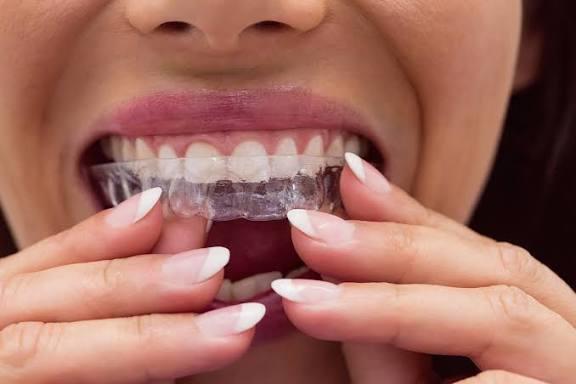
Natural teeth are designed to withstand everyday activities such as chewing, speaking, and biting, but they can still be vulnerable to excessive pressure, grinding, and accidental impacts. Without proper protection, these forces may contribute to enamel wear, tooth fractures, jaw discomfort, and other dental concerns. For people exploring Mouth Guards in Dubai, understanding how these protective devices work can help them make informed decisions about their oral health. Whether you grind your teeth during sleep, participate in contact sports, or experience pressure on your jaw, a suitable mouth guard may offer an additional layer of protection for your natural teeth.
Why Protecting Natural Teeth Matters
Natural teeth are valuable because they support comfortable eating, clear speech, and a balanced smile. Although enamel is the hardest substance in the human body, it cannot repair itself once significant damage occurs. Repeated pressure, physical injuries, and certain oral habits can gradually affect the teeth and surrounding structures.
Common Causes of Tooth Damage
Several everyday situations can increase the risk of dental damage. Teeth grinding, also known as bruxism, may place excessive force on the tooth surfaces. Sports-related collisions can cause chips, fractures, or knocked-out teeth, while clenching may contribute to jaw muscle discomfort.
Identifying these risks early allows individuals to discuss preventive options with a dental professional before more extensive problems develop.
How Mouth Guards Help Protect Teeth
A mouth guard is a protective appliance worn over the teeth. Depending on its design and purpose, it helps distribute forces, cushion impacts, and reduce direct contact between opposing teeth.
Protection Against Teeth Grinding
People who grind or clench their teeth during sleep may benefit from a professionally assessed night guard. This appliance creates a protective barrier between the upper and lower teeth, helping reduce direct tooth-to-tooth wear.
Although a night guard can protect dental surfaces, it does not necessarily stop the underlying grinding habit. A dentist can evaluate possible contributing factors and recommend additional management when appropriate.
Reducing the Risk of Sports Injuries
Sports mouth guards are particularly useful during activities involving physical contact, falls, or fast-moving equipment. They can help absorb and distribute some impact forces, reducing the likelihood of certain dental injuries.
A properly fitted sports mouth guard may be beneficial for activities such as boxing, martial arts, basketball, and hockey. Athletes should choose protection suitable for their sport and follow the relevant safety recommendations.
Different Types of Mouth Guards
Not every mouth guard offers the same level of fit, comfort, or protection. The most suitable option depends on the reason for wearing it and the individual's dental condition.
Stock and Boil-and-Bite Mouth Guards
Stock mouth guards come in preformed shapes and are generally ready to wear. However, they may fit less securely and can feel bulky.
Boil-and-bite models soften in hot water before being shaped around the teeth. They may provide a more personalized fit than stock versions, although the result depends on the product and correct fitting.
Custom-Fitted Mouth Guards
Custom-fitted mouth guards are made using dental impressions or digital scans. A dentist can design the appliance according to the patient's teeth, bite, and intended use.
For people with significant grinding, complex dental needs, or specific sports requirements, professional assessment can help determine whether a custom appliance is appropriate.
Signs You May Need a Mouth Guard
Some people are unaware that they grind their teeth because it happens during sleep. Others notice symptoms after months of repeated pressure or following a sports injury.
Symptoms Worth Discussing With a Dentist
Consider seeking dental advice if you experience:
-
Flattened, chipped, or unusually sensitive teeth.
-
Morning jaw soreness or tightness.
-
Frequent headaches upon waking.
-
Tooth grinding reported by a sleeping partner.
-
A history of dental injuries during sports.
These symptoms can have different causes, so a professional examination is important. A mouth guard may help in certain situations, but it is not a universal solution for every dental or jaw problem.
Maintaining Your Mouth Guard Properly
Even a well-fitted mouth guard needs regular care to remain clean and effective. Rinse it after each use and clean it according to the manufacturer's or dentist's instructions. Allow it to dry before storing it in a ventilated protective case.
Avoid exposing the appliance to excessive heat, which may distort its shape. Check regularly for cracks, rough edges, or changes in fit, and arrange a dental review if it becomes damaged or uncomfortable.
Children and teenagers may need more frequent assessments because their teeth and jaws are still developing. Adults should also have their appliances checked periodically, particularly after dental treatment or changes in their bite.
Final Thoughts
Mouth guards can play an important role in protecting natural teeth from grinding-related wear and sports injuries. However, their effectiveness depends on choosing the right type, ensuring a suitable fit, and using the appliance correctly. If you are considering Mouth Guards in Dubai, consult a qualified dental professional to identify your specific needs and discuss the most appropriate option. With preventive care, regular dental checkups, and good oral hygiene, you can take practical steps toward maintaining stronger teeth, a healthier smile, and long-term dental well-being.

 Arabic
 French
 Spanish
 Portuguese
 Deutsch
 Turkish
 Dutch
Dutch
 Italiano
 Russian
 Romaian
 Portuguese (Brazil)
 Greek
Greek
