


How to Evaluate a Surgical Instrument Supplier Before You Buy
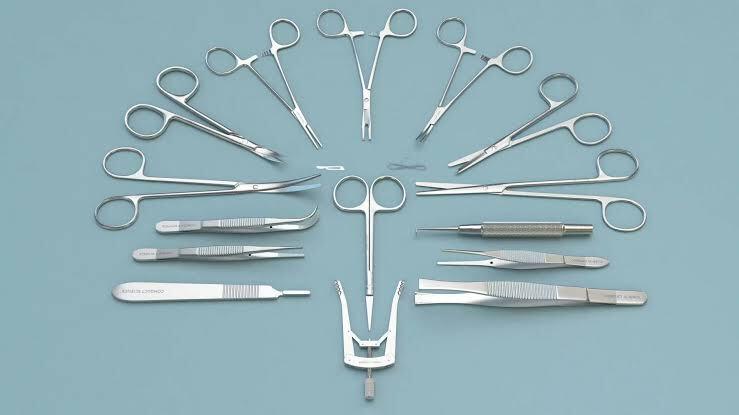
For clinics, small hospitals, and medical supply businesses, the reliability of surgical instruments directly affects patient care and daily operations. Instruments wear out, get damaged during sterilisation, and sometimes need urgent replacement. When that happens, professionals often search for surgical instrument shops near me to find a supplier who can meet their requirements quickly. But finding a shop is only the first step — evaluating whether it is the right supplier takes a bit more attention.
Why the Supplier Matters as Much as the Instrument
Two shops may stock similar-looking instruments, yet the quality can differ considerably. The difference usually shows up later — in how the instruments perform after repeated sterilisation, whether joints stay smooth, and whether tips hold their alignment. For healthcare settings, these details affect both usability and safety, which is why supplier selection deserves careful thought rather than a quick price comparison.
What to Inspect Before Buying
A practical inspection helps separate reliable instruments from poor ones:
-
Material grade — stainless steel quality affects corrosion resistance.
-
Surface finish — smooth, polished surfaces are easier to clean and sterilise.
-
Joint function — hinges, box locks, and ratchets should move smoothly.
-
Tip alignment — jaws and blades should meet evenly without gaps.
-
Weight and balance — important for instruments used in prolonged procedures.
-
Packaging — proper packing suggests better handling standards.
If a shop allows handling the instruments before purchase, take advantage of it.
Questions Worth Asking the Supplier
A knowledgeable supplier will not mind direct questions. Useful ones include:
-
What grade of stainless steel is used?
-
Are instruments suitable for the sterilisation methods we use?
-
Do you provide documentation or certificates where applicable?
-
How consistent is quality across repeat orders?
-
What is your policy on returns or exchanges?
Vague answers are usually a warning sign. Clear, confident responses suggest a supplier who understands the products.
Categories Typically Available
A well-stocked shop usually carries instruments across multiple specialties:
-
General surgery — scissors, forceps, needle holders, retractors.
-
Dressing and wound care — forceps, trays, and related items.
-
Dental instruments — probes, scalers, extraction forceps.
-
Orthopaedic tools — bone-holding forceps and cutting instruments.
-
Diagnostic items — stethoscopes, BP apparatus, and similar equipment.
Availability varies by shop, so confirming stock before visiting saves time.
Building a Long-Term Relationship
Once a dependable supplier is found, maintaining that relationship usually pays off:
-
Better pricing on repeat orders.
-
Priority availability during shortages.
-
Faster turnaround on special requests.
-
Consistent quality across purchases.
Keeping a record of past purchases — including specifications and performance notes — helps future orders go smoothly and makes it easier to spot any inconsistency.
Final Thoughts
Choosing the right surgical instrument shop affects the reliability of the tools healthcare professionals depend on every day. Buyers who prioritise quality and consistency over the lowest price generally get better long-term results. For readers interested in more updates on healthcare, business, and industry topics, additional articles are regularly published on SocioMint, where a variety of content is shared for a broad audience.

 Arabic
 French
 Spanish
 Portuguese
 Deutsch
 Turkish
 Dutch
Dutch
 Italiano
 Russian
 Romaian
 Portuguese (Brazil)
 Greek
Greek
