


Red Dots on Skin After Heat, Exercise, or Sweating: Causes and Relief
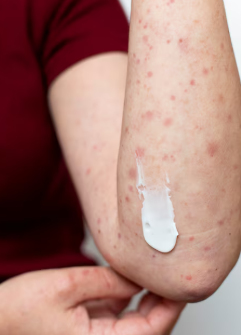
Have you noticed tiny red marks after exercising, spending time outdoors, or sweating in hot weather? These changes may occur when heat, moisture, friction, or irritation affects the skin. Although many cases are temporary, understanding the possible causes of red dots on skin can help you identify triggers and determine whether medical attention is necessary.
Why Does Sweating Affect Your Skin?
Sweating helps regulate body temperature, but prolonged moisture and friction can irritate the skin. Hot weather, humid conditions, tight clothing, and intense physical activity may increase the likelihood of developing a rash.
Depending on the cause, red dots on skin may appear as tiny bumps, flat marks, or raised patches. Some cause itching or a prickling sensation, while others produce little discomfort. The affected areas often include the neck, chest, back, underarms, waistline, and inner thighs.
Not every rash following exercise is caused by sweat itself. Allergic reactions, inflamed hair follicles, and other skin conditions can produce similar symptoms, so the pattern and progression matter.
Five Reasons Red Spots May Develop After Sweating
1. Heat Rash From Blocked Sweat Ducts
Heat rash develops when sweat becomes trapped beneath the skin because sweat ducts are blocked. It commonly occurs in hot, humid environments and may produce clusters of small red bumps, prickling, or mild itching.
The rash frequently affects skin folds and areas covered by tight clothing. Reducing heat exposure, wearing loose garments, and allowing the skin to cool may help mild symptoms settle.
If red dots on skin persist despite cooling measures or become increasingly painful, seek medical advice to check for another cause or possible infection.
2. Friction From Tight Clothing
Running, cycling, and other repetitive movements can cause clothing to rub against the skin. Sweat may increase friction, especially beneath waistbands, sports bras, backpack straps, or tight athletic garments.
This irritation can produce redness, small bumps, and tenderness. The marks may follow the areas where clothing or equipment repeatedly touches the body.
Choose breathable, well-fitting clothing and change out of damp garments after physical activity. Avoid scrubbing irritated areas, as additional friction may delay recovery.
3. Contact Dermatitis From Skin Products
Deodorants, sunscreens, laundry detergents, fragrances, and body lotions may trigger irritation or allergic contact dermatitis. Sweat and heat can make an existing reaction more noticeable.
Symptoms may include redness, small bumps, dryness, burning, or itching. The rash often develops where the product contacts the skin, although allergic reactions can sometimes extend beyond that area.
If red dots on skin repeatedly appear after using a particular product, stop using the suspected trigger and gently cleanse the affected area. Persistent symptoms should be assessed by a healthcare professional.
4. Folliculitis Associated With Heat and Moisture
Folliculitis is inflammation of hair follicles that can develop when friction, shaving, or certain infections affect the skin. Warm, moist conditions may contribute to some forms.
The bumps often appear around individual hairs and may resemble small pimples. Some contain pus or become tender, while others cause little discomfort.
Avoid squeezing the bumps, wear clean clothing, and reduce friction. If the affected area becomes increasingly painful, spreads, produces significant discharge, or is accompanied by fever, seek medical attention.
5. Exercise-Induced Hives
Some people develop hives during or after physical activity. These typically appear as raised, itchy welts that may change shape or location. Exercise, increased body temperature, and other individual triggers can contribute.
Stop exercising if hives develop and seek medical advice, especially if episodes recur. If hives occur with throat tightness, difficulty breathing, swelling of the tongue, or faintness, seek emergency care immediately because these symptoms may indicate a severe allergic reaction.
How to Recognize the Type of Skin Reaction
The appearance and timing of red dots on skin can offer useful clues, although they cannot establish a diagnosis.
Heat rash commonly produces clusters of small bumps in warm, covered areas. Friction-related irritation tends to follow clothing edges or areas of repeated movement. Contact dermatitis may correspond to the area exposed to a product, while folliculitis often creates bumps centered around hair follicles.
Exercise-related hives usually produce raised welts that may appear and disappear relatively quickly. In contrast, petechiae are tiny, flat spots caused by bleeding beneath the skin and generally do not fade when pressed.
New, unexplained spots that do not fade under pressure should receive prompt medical assessment, particularly if they accompany fever, unusual bruising, or bleeding. Do not assume they are caused by sweating simply because they appeared after a workout.
Practical Ways to Soothe Irritated Skin
When symptoms are mild and no warning signs are present, simple skin-care measures may help reduce discomfort.
-
Cool your body: Move to a cooler environment and allow your temperature to return to normal.
-
Take a gentle shower: Use lukewarm water and a mild cleanser to remove sweat without stripping the skin.
-
Change clothing: Remove damp garments promptly and choose lightweight, breathable fabrics.
-
Reduce friction: Avoid tight clothing and equipment that repeatedly rubs against irritated areas.
-
Keep the skin dry: Gently pat moisture-prone areas dry instead of rubbing them.
-
Avoid scratching: Scratching may damage the skin and increase the risk of infection.
If red dots on skin continue appearing despite these measures, do not keep experimenting with different creams or home remedies. A clinician can determine whether the problem involves inflammation, infection, an allergic reaction, or another condition.
How to Prevent Sweat-Related Skin Problems
Preventing recurring irritation begins with identifying the triggers associated with your routine. You may be able to reduce flare-ups by making small adjustments to your exercise habits and skin care.
Whenever possible, exercise during cooler parts of the day and take breaks in shaded or air-conditioned spaces during hot weather. Drink adequate fluids during physical activity, and avoid remaining in sweaty clothing longer than necessary.
Choose breathable workout garments that fit comfortably. Wash exercise clothing regularly, clean equipment according to its care instructions, and avoid sharing towels or clothing.
Introduce new skin products one at a time so you can more easily identify potential irritants. If a particular product consistently causes symptoms, discontinue it and seek advice if the reaction does not settle.
People who experience repeated exercise-related rashes should document when the symptoms begin, how long they last, and whether specific activities or products are involved. This information may help a healthcare professional identify the underlying trigger.
When Should You See a Healthcare Professional?
Many mild heat-related rashes improve after the skin cools, but persistent or unexplained marks should not be ignored. Arrange an assessment if red dots on skin keep returning, spread, become painful, or fail to improve with simple care.
Seek prompt medical attention if the marks appear suddenly without an obvious cause, do not fade under pressure, or occur alongside unusual bruising or bleeding. Fever, increasing warmth, swelling, and pus may indicate an infection that needs treatment.
Emergency care is necessary if a rash accompanies difficulty breathing, swelling of the tongue or throat, fainting, confusion, or a rapidly worsening illness.
A healthcare professional may examine the affected areas and ask about exercise, medications, clothing, and recent product changes. Further testing may be recommended if the symptoms suggest an infection or another underlying medical problem.
Conclusion
Red dots on skin after heat, exercise, or sweating can result from heat rash, friction, contact dermatitis, folliculitis, or exercise-induced hives. Cooling the skin, changing damp clothing, and avoiding irritating products may help mild symptoms. However, recurring or unexplained marks may require professional evaluation, particularly when they spread, become painful, or fail to fade under pressure. Recognizing the pattern and identifying potential triggers can help you protect your skin without overlooking symptoms that need medical attention.
Frequently Asked Questions
1. Can sweat alone cause red dots on skin?
Sweat can contribute to irritation and heat rash, particularly when moisture becomes trapped or friction increases. However, other conditions can produce similar marks, so persistent symptoms may need evaluation.
2. Why do red bumps appear on my chest after exercise?
Heat, blocked sweat ducts, friction, and inflammation around hair follicles can all cause bumps on the chest. The appearance, duration, and accompanying symptoms help determine the likely cause.
3. Should I apply ice directly to a heat rash?
No. Avoid placing ice directly on irritated skin because it can damage the skin. Use a cool, damp cloth or move to a cooler environment instead.
4. When should I stop exercising because of a skin reaction?
Stop exercising if the rash worsens or you develop widespread hives, dizziness, or other concerning symptoms. Difficulty breathing, throat swelling, or fainting requires emergency care.

 Arabic
 French
 Spanish
 Portuguese
 Deutsch
 Turkish
 Dutch
Dutch
 Italiano
 Russian
 Romaian
 Portuguese (Brazil)
 Greek
Greek
