


Lab Grown Diamonds London: A Guide to Choosing the Perfect Diamond
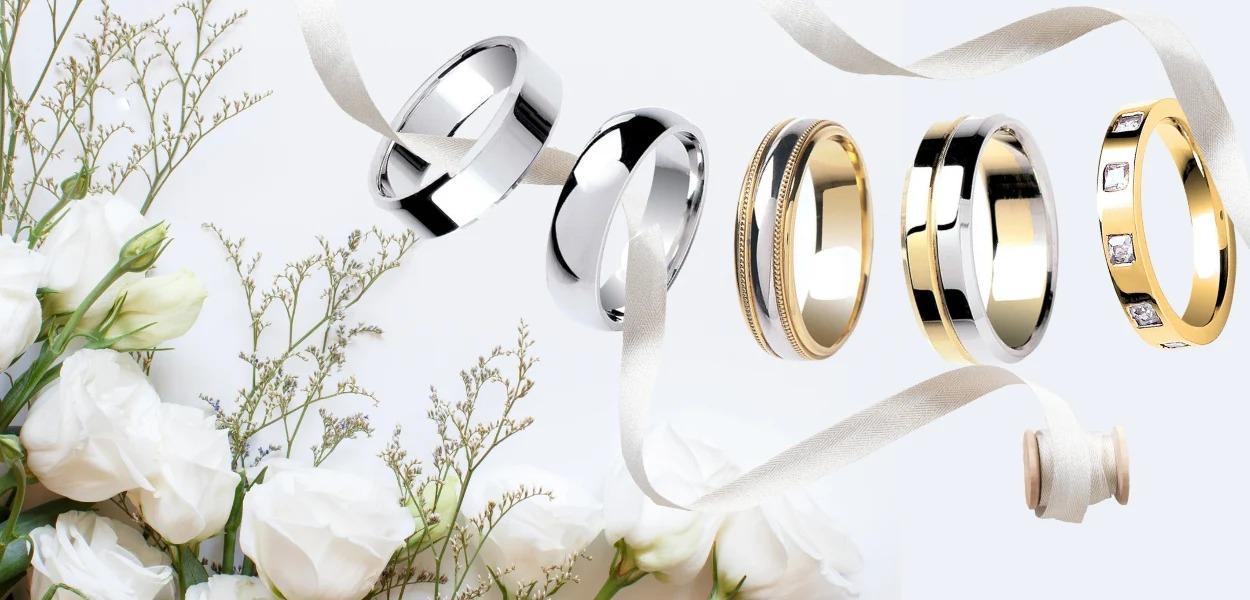
Choosing a diamond is an exciting part of buying an engagement ring or a special piece of jewellery. However, with so many options available, it can be difficult to know which diamond offers the right balance of beauty, quality and value. Lab-grown diamonds have become an increasingly popular choice for people who want the appearance and properties of a diamond while exploring alternatives to mined stones.
If you are searching for lab grown diamonds London, understanding how these diamonds are created, how their quality is assessed and what to look for when buying can help you make a confident decision.
Whether you are planning a proposal, designing a personalised ring or simply looking for a beautiful diamond, this guide covers the essential details to consider before making your purchase.
What Are Lab-Grown Diamonds?
Lab-grown diamonds are real diamonds created using advanced technology rather than forming naturally underground over millions or billions of years. They have essentially the same chemical composition, crystal structure and fundamental optical properties as natural diamonds.
The main difference is their origin. Natural diamonds develop within the Earth under high pressure and temperature, while lab-grown diamonds are produced in controlled environments using specialised equipment.
Because they are diamonds, lab-grown stones can be cut and polished into the same familiar shapes, including round brilliant, oval, pear, princess and emerald cuts.
They are used in a variety of jewellery, from engagement rings and wedding bands to earrings, pendants and other fine jewellery pieces.
How Are Lab-Grown Diamonds Made?
There are two main methods used to create lab-grown diamonds. Understanding them can help you appreciate how these stones are produced.
High Pressure High Temperature (HPHT)
The HPHT process recreates conditions similar to those under which natural diamonds form. Carbon is exposed to high pressure and temperature, encouraging it to crystallise into diamond.
This method has been used in diamond production for decades and continues to be an important way of growing diamonds for jewellery and industrial applications.
Chemical Vapour Deposition (CVD)
CVD involves placing a carbon-containing gas inside a specialised chamber. Under carefully controlled conditions, carbon atoms gradually deposit onto a diamond seed and build up a diamond crystal.
Both methods can produce diamonds suitable for fine jewellery. The manufacturing method alone does not determine whether a diamond is the best choice for you. Cut quality, colour, clarity, carat weight and the quality of the individual stone are still important considerations.
Why Consider Lab-Grown Diamonds?
Lab-grown diamonds offer several advantages worth exploring when comparing jewellery options.
A Choice of Sizes and Styles
Lab-grown diamonds are available in many shapes, sizes and quality grades. This gives buyers flexibility when choosing a stone for a particular design.
You might prefer a classic round diamond for a solitaire engagement ring, an elongated oval stone for a contemporary look or an emerald-cut diamond for a more understated appearance.
Potentially Lower Prices
Lab-grown diamonds often cost less than comparable natural diamonds with similar grading characteristics. This can allow you to explore different sizes or specifications within your budget.
Prices vary depending on the individual stone, its grading, market conditions and the retailer. Compare diamonds with similar characteristics before deciding which offers the best value.
The Same Fundamental Diamond Properties
Lab-grown diamonds have the same basic chemical composition and crystal structure as natural diamonds. Their origin does not make them imitation stones.
They should not be confused with diamond simulants such as cubic zirconia or moissanite, which are different materials with their own optical and physical properties.
Options for Different Jewellery Designs
Lab-grown diamonds can be used in many of the same designs as natural diamonds. Whether you want a simple engagement ring, a halo setting or a pair of diamond earrings, the choice of stone can be considered alongside the overall design.

 English
 Arabic
 French
 Spanish
 Portuguese
 Deutsch
 Turkish
 Italiano
 Russian
 Romaian
 Portuguese (Brazil)
 Greek
Greek
