


Jewellery Repair London: Expert Tips for Restoring Your Favourite Pieces
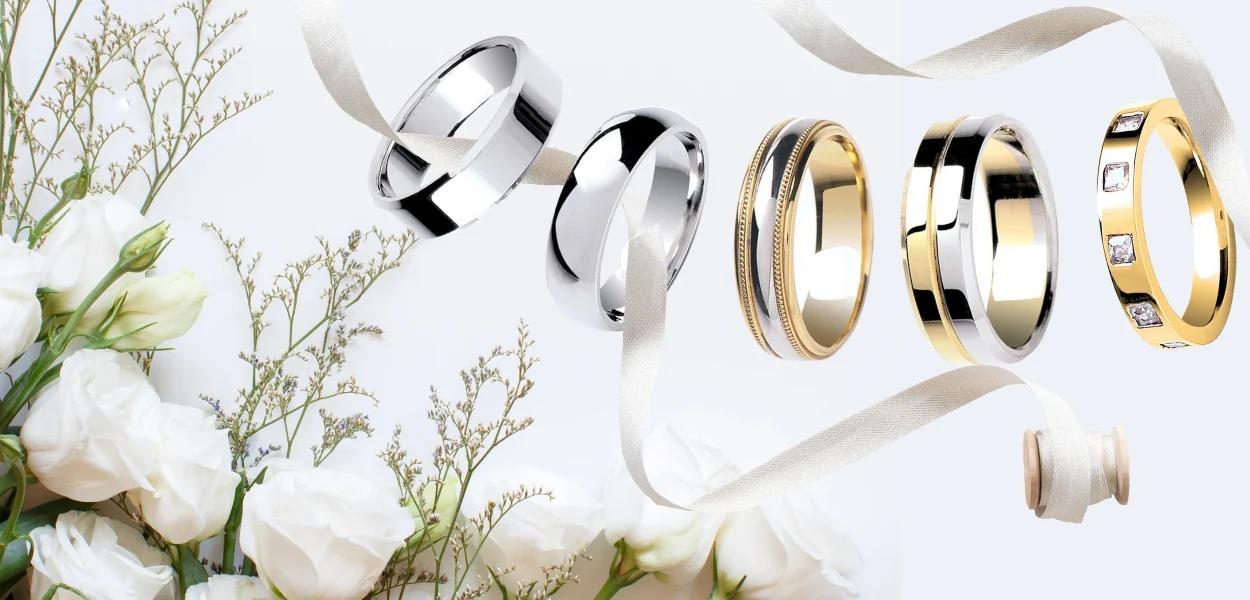
Jewellery often means much more than its monetary value. A gold ring might mark a special anniversary, a necklace could be a family heirloom, or a bracelet may remind you of someone important. When a favourite piece becomes damaged or worn, the right repair can help you continue wearing and enjoying it.
If you are looking for jewellery repair London, it helps to understand what can be repaired, how to protect delicate pieces and what to ask a jeweller before agreeing to any work. From a broken gold chain to a loose diamond or a ring that no longer fits, professional attention can often restore both the appearance and practicality of your jewellery.
This guide covers common jewellery repairs, the factors that influence cost, and how to choose a repair service that treats your treasured pieces with care.
1. Identify the Problem Before Repairing Your Jewellery
The first step is to identify what has changed. Sometimes the damage is obvious, such as a snapped chain or a missing stone. In other cases, small signs of wear can develop gradually.
Look out for:
-
Rings that feel tighter or looser than usual.
-
Chains with broken links or weakened clasps.
-
Gemstones that move when the jewellery is handled.
-
Bent earring posts or damaged fastenings.
-
Scratches, dull surfaces or worn plating.
-
Bracelet links that have become stretched or misshapen.
Avoid wearing a piece if a stone is loose, a clasp will not close securely or a metal section appears cracked. Continuing to wear damaged jewellery may make the problem worse or result in a lost gemstone.
A professional jeweller can inspect the item, identify the likely cause and explain which repair options are suitable.
2. Ring Resizing for a More Comfortable Fit
A ring should feel secure without being uncomfortably tight. Changes in temperature, natural finger-size fluctuations and other factors can affect how a ring fits over time.
Ring resizing involves adjusting the band to make it larger or smaller. The method depends on the metal, ring design and whether the band contains gemstones.
Plain gold bands may be relatively straightforward to resize. Rings featuring diamonds around the band, intricate patterns or certain specialist settings can require more careful assessment.
Before agreeing to resizing, ask your jeweller to consider:
-
Whether the design can be adjusted safely.
-
How the work may affect any stones or decorative details.
-
Whether the hallmark could be affected.
-
Whether polishing or refinishing is included.
-
Whether the revised size will allow the ring to sit comfortably.
If your engagement ring or wedding band no longer fits properly, avoid trying to bend it yourself. Professional assessment helps reduce the risk of damaging the metal or setting.
3. Gold Chain and Necklace Repairs
A broken necklace can be frustrating, particularly when it is a piece you wear regularly or have owned for years. The good news is that some chain problems can be repaired without replacing the entire item.
Common chain repairs include soldering a broken link, replacing a damaged clasp, repairing a jump ring and addressing certain areas of wear.
However, not every chain can be repaired in the same way. Fine chains, hollow links and intricate designs may require specialist techniques. The condition of the surrounding links also matters, as repairing one section will not necessarily resolve wider wear.
When seeking jewellery repair in London, ask the jeweller to examine the whole chain rather than focusing only on the visible break. This can help identify weak areas that might need attention before the necklace is worn again.
If a chain has snapped, keep all the pieces together and avoid using household glue or improvised fastenings. These methods can complicate the repair and may cause further damage.
4. Diamond and Gemstone Setting Repairs
A loose gemstone is one of the most important problems to address promptly. Small metal claws, also called prongs, hold many diamonds and coloured gemstones in place. Everyday wear can gradually weaken these settings.
Signs of a possible setting problem include a stone that moves, a prong that catches on clothing or a visible gap between the stone and its setting.
Depending on the condition of the ring or other jewellery, a repair may involve tightening the setting, rebuilding or replacing worn claws, resetting the stone or replacing a missing gemstone.
A jeweller should assess the stone and surrounding metal before recommending a solution. The correct approach depends on the gemstone, its setting and the extent of the damage.
If a stone appears loose, stop wearing the piece until it has been checked. If a gemstone has already fallen out, store it safely and take it to the jeweller with the damaged item.
5. Cleaning, Polishing and Restoring Shine
Regular use can leave jewellery looking dull. Hand creams, cosmetics, oils and everyday residue may collect on surfaces and around settings.
Professional cleaning and polishing can improve the appearance of many gold, silver and platinum pieces. The appropriate method depends on the material, finish and condition of the jewellery.
Polishing can reduce the appearance of some surface scratches, but it does not make every mark disappear. Repeated polishing can also remove small amounts of metal, so it should be carried out thoughtfully, particularly on antique pieces or jewellery with fine details.
Some white gold jewellery has a rhodium-plated finish. If this coating becomes worn, a jeweller may recommend replating to restore its bright white appearance.
Before arranging a deep clean or polish, tell the jeweller if the piece contains delicate gemstones, pearls, enamel or other sensitive materials. These may need different care from diamonds or plain precious metal.
6. Earring, Bracelet and Clasp Repairs
Small fastenings play an important role in keeping jewellery secure. A damaged earring post, loose bracelet link or unreliable necklace clasp can make a piece difficult or unsafe to wear.
Depending on the design, repairs may include replacing a clasp, repairing a hinge, securing a bracelet link, straightening an earring post or replacing a damaged fitting.
It is worth checking these components periodically, especially if you wear the same pieces every day.
For example, a bracelet that frequently catches on clothing may have a worn link or a fastening that no longer closes properly. Addressing the problem early can help prevent the bracelet from opening unexpectedly.
When comparing repair options, ask whether the replacement fitting will match the original metal and whether the finished piece will be tested for secure closure.
7. Repairing Antique and Sentimental Jewellery
Older jewellery often needs a different approach from modern, mass-produced pieces. An antique ring, inherited brooch or vintage necklace may contain delicate settings, unusual construction methods or details that are difficult to reproduce.
The goal is not always to make the piece look brand new. Sometimes preserving its original character is more important than removing every sign of age.
Before authorising work, discuss what you want to preserve. This might include the original setting, an engraving, a distinctive finish or a gemstone passed down through your family.
Ask the jeweller to explain which repairs are essential, which are optional and whether any proposed changes could affect the appearance or character of the piece.
If the jewellery has substantial sentimental or financial value, take photographs before handing it over and request a written record of the agreed work. For particularly valuable items, you may also want an appropriate valuation or insurance advice.
8. How Much Does Jewellery Repair in London Cost?
The cost of jewellery repair varies according to the type of work, the materials involved and the condition of the item. A simple clasp replacement will usually require a different level of work from rebuilding a gemstone setting or restoring an antique ring.
Factors that may affect the final quote include:
-
Type of repair: Soldering, resizing, stone setting and restoration involve different processes.
-
Metal type: Gold, silver and platinum may require different techniques and materials.
-
Design complexity: Delicate, engraved or stone-set jewellery can need additional care.
-
Replacement parts: A new clasp, gemstone or other component may increase the total.
-
Finishing work: Cleaning, polishing or replating may be priced separately.
-
Condition of the piece: Extensive wear or previous repairs can make the job more complex.
For an accurate estimate, ask for an assessment and a written quote before work begins. Check whether the price includes replacement materials, finishing and any additional work that might be required.
It is also sensible to ask how long the repair is expected to take. Straightforward jobs and complex restoration projects can have very different turnaround times.
9. Choosing the Right Jewellery Repair Service in London
London has a wide range of jewellery retailers and specialist workshops. The most suitable option depends on the type of repair, the value of the item and the level of craftsmanship required.
Before making a decision, consider the following.
Experience with your type of jewellery
Ask whether the jeweller regularly handles the material and design you need repaired. Antique pieces, intricate settings and fine chains may require specialist experience.
Clear explanations
A reliable repair service should explain the problem, discuss suitable options and tell you about any limitations before you commit.
Written quotation
Make sure you understand the cost, the work included and whether further approval will be requested if additional damage is discovered.
Careful handling
Ask how your jewellery will be recorded and stored while it is being repaired. For valuable pieces, a written description and photographs can provide useful documentation.
Aftercare advice
Find out whether the jeweller can recommend routine inspections, cleaning or maintenance to help reduce future problems.
If you are considering jewellery repair London services for an item you wear frequently, convenience matters, but workmanship and clear communication should remain priorities.
10. Can Damaged Jewellery Be Restyled Instead of Repaired?
Sometimes a piece of jewellery is too damaged for a straightforward repair, or its original design no longer suits your taste. In these situations, remodelling may be worth discussing with a jeweller.
For example, an old gold ring could potentially be redesigned, or a gemstone from an inherited piece might be incorporated into a new setting. Whether this is practical depends on the condition of the materials, the design and the cost involved.
Remodelling can be an appealing option when the sentimental value lies in the original stone or precious metal rather than the existing shape.
Before proceeding, ask for a design proposal and a clear explanation of which original components will be retained. Make sure you understand the total cost and approve the proposed changes before production begins.

 English
 Arabic
 French
 Spanish
 Portuguese
 Deutsch
 Turkish
 Dutch
Dutch
 Italiano
 Russian
 Romaian
 Portuguese (Brazil)
