


Why Food Businesses in Assam Should Keep Their FSSAI Registration Updated
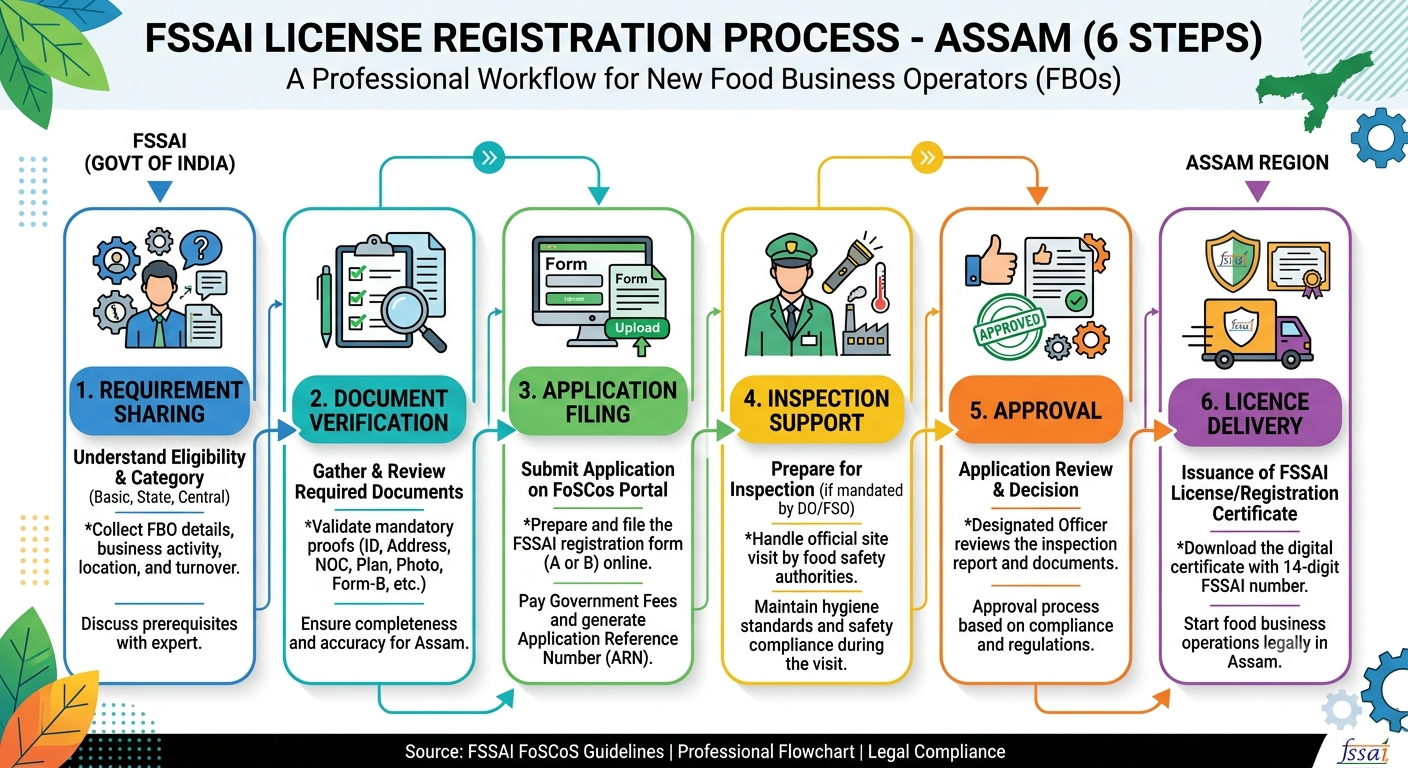
Running a successful food business involves more than attracting customers and delivering quality products. Food entrepreneurs must also pay attention to hygiene, safe handling practices, accurate records, and the regulatory requirements applicable to their activities.
For restaurants, grocery stores, caterers, manufacturers, and other food operators, maintaining the appropriate registration or licence is an important part of responsible business management.
The Importance of Food Safety Compliance
Food safety measures help protect consumers and support confidence in a business. Proper storage temperatures, clean preparation areas, suitable packaging, and safe transportation practices can reduce the risk of contamination.
An appropriate food registration or licence also helps demonstrate that the business has addressed the relevant regulatory formalities. The exact requirements depend on the type and scale of the operation.
Entrepreneurs who need a food licence in Assam should identify the appropriate category before beginning their activities and ensure that the approval remains valid as required.
Monitoring Validity and Business Changes
Food business operators should maintain a record of their registration or licence details and check the validity period shown on their certificate. Where renewal is applicable, they should begin the process in accordance with the relevant requirements rather than waiting until the last moment.
Changes to the business may also require attention. For example, an operator might relocate premises, add a new activity, or change other details recorded in the licence.
Businesses should check whether such changes require a formal modification or a fresh application. The official FoSCoS portal provides services for renewal and modification, along with application tracking.
Maintaining the Right Documentation
Food business owners should keep their certificates, application records, relevant invoices, and other applicable documents organised. Depending on the activity, additional records relating to sourcing, manufacturing, storage, or food safety procedures may also be necessary.
An organised documentation system can help businesses respond more efficiently to inspections, administrative requests, or internal reviews.
When to Seek Assistance
Entrepreneurs who are unsure about the applicable requirements may seek guidance from a qualified consultant. Assistance can be useful when preparing documentation, reviewing licence categories, tracking renewal dates, and understanding procedural requirements.
However, business owners should verify important regulatory information through official sources and avoid relying on guaranteed-approval claims.
Building Better Business Practices
Food safety compliance should be treated as an ongoing responsibility rather than a one-time administrative task. Regular staff training, cleaning schedules, appropriate storage facilities, and clear handling procedures can help maintain consistent standards.
Businesses should also ensure that their registration or licence accurately reflects their activities and that any required updates are completed through the appropriate process.
Conclusion
Keeping food licensing records accurate and maintaining safe operating practices can help food businesses in Assam operate more responsibly. By monitoring licence validity, reviewing regulatory obligations, and organising documentation, entrepreneurs can reduce avoidable compliance problems and focus on serving their customers.

 English
 Arabic
 Spanish
 Portuguese
 Deutsch
 Turkish
 Dutch
 Italiano
 Russian
 Romaian
 Portuguese (Brazil)
 Greek
