


How Do Honest Factories Prove Sustainability in Seamless Knitwear
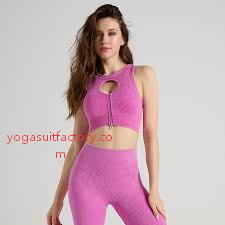
The word eco-friendly decorates activewear labels like confetti at a parade, promising recycled fibers, ocean plastics, and planet-saving dyes in cheerful fonts that ask for trust without offering evidence. Consumers want their purchases to align with their values, brands want shelf appeal that justifies premium pricing, and somewhere between those honest desires a fog of vague claims drifts across the industry, where a single recycled thread can dress an entire conventional garment in green language. Buyers who source Eco-friendly Seamless Activewear for retail or private label programs carry the burden of separating substance from theater, because a greenwashed collection can stain a brand's reputation the moment a journalist or activist tests the claims. If sincerity and salesmanship wear identical costumes in this market, which details actually distinguish a factory that cares from a factory that merely talks?
Certifications That Survive Scrutiny
Genuine sustainability begins with third-party verification, since certifications such as GRS for recycled content, GOTS for organic fibers, OEKO-TEX for chemical safety, and Bluesign for responsible production require audits, chain-of-custody documentation, and renewal cycles that no marketing department can fake for long. A claim of seventy percent recycled nylon means little until a transaction certificate traces that specific yarn lot from polymer supplier to knitting floor, and factories confident in their sourcing share those documents willingly rather than hiding behind confidentiality excuses. Dyeing chemistry tells the second half of the story, because vivid leggings demand water, energy, and chemistry that low-impact processes manage carefully, while conventional houses discharge what regulations tolerate and call it progress. Buyers examining YogasuitFactory or any candidate partner should request scope certificates covering the exact facility producing their order, since certifications held by a sister factory or parent brand say nothing about the machines actually running their fabric.
The Language of Greenwashing and How to Decode It
Vocabulary itself betrays the insincere, because honest factories name their fibers, percentages, and certifiers with boring precision, while greenwashing leans on poetry: earth-conscious, planet-friendly, eco-smart, and conscious collection decorate labels where concrete numbers should live. Recycled polyester blended into trim while the main body remains virgin plastic counts as decoration rather than transformation, and biodegradable claims deserve particular suspicion when elastane content guarantees decades in landfill regardless of what the base polymer might do. Packaging stories deserve equal skepticism, since a compostable mailer arriving from a factory with no wastewater management shifts impact rather than reducing it. The sharpest buyers ask uncomfortable questions in writing and watch which suppliers answer with documents and which answer with adjectives, because the gap between those two responses predicts everything about long-term partnership quality.
Honest communication separates manufacturers from storytellers, and that standard runs through the production culture at Yongxing, where Eco-friendly Seamless Activewear programs begin with GRS-certified yarn selections, waterless coloration options where shades allow, and dye houses that treat discharge permits as floors rather than targets. The team traces recycled content through transaction certificates, publishes fiber breakdowns without rounding, and welcomes buyer audits of both knitting and finishing floors, because transparency costs less than reputational repair. Visitors evaluating that approach can review the constructions, fiber options, and supporting documentation arranged at https://www.yogasuitfactory.com/, where specifications await patient comparison. A factory that volunteers its paperwork has nothing to hide, and in a market fogged with green confetti, clarity itself becomes the rarest sustainable material of all.

 English
 Arabic
 French
 Spanish
 Portuguese
 Deutsch
 Turkish
 Dutch
 Russian
 Romaian
 Portuguese (Brazil)
 Greek
