


Who Is an Ideal Candidate for Zygomatic Implants?
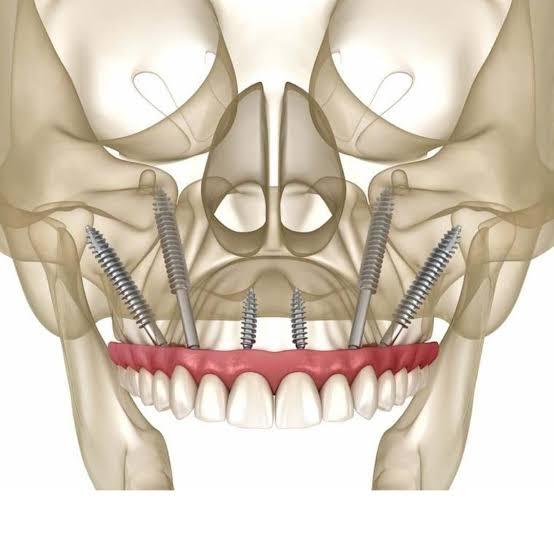
Missing teeth can affect much more than your smile. They may make chewing difficult, change facial appearance, and reduce confidence in everyday situations. For people who have experienced significant upper jawbone loss, traditional dental implants may not always be suitable. This is where advanced implant techniques can offer another option. Understanding Zygomatic Implants in dubai can help patients explore a specialized solution that uses the cheekbone for support when the upper jaw does not have enough bone for conventional implants.
What Are Zygomatic Implants?
Zygomatic implants are specialized dental implants designed for patients with severe bone loss in the upper jaw. Unlike traditional implants, which are placed directly into the jawbone, these longer implants anchor into the zygomatic bone, commonly known as the cheekbone.
The cheekbone is generally dense and provides a strong foundation for implant support. This makes the technique particularly useful for patients who cannot receive conventional implants without additional bone-grafting procedures.
Zygomatic implants are not necessary for everyone with missing teeth. Dentists typically consider them when bone loss is extensive and other treatment options may be less suitable.
Who May Benefit From Zygomatic Implants?
This treatment may be considered for people who:
-
Have lost several or all upper teeth.
-
Have severe bone loss in the upper jaw.
-
Have previously experienced unsuccessful conventional implant treatment.
-
Are unsuitable for certain bone-grafting procedures.
-
Need a fixed tooth-replacement solution but lack sufficient upper jawbone support.
A detailed dental examination is essential to determine whether this approach is appropriate for an individual patient.
How Do Zygomatic Implants Work?
The procedure involves placing specially designed implants into the cheekbone to support replacement teeth. Because the cheekbone is anatomically different from the upper jaw, treatment requires advanced planning and specialized clinical expertise.
Step 1: Comprehensive Dental Assessment
The process begins with an examination of the mouth, gums, remaining teeth, and jaw structure. The dentist may use three-dimensional imaging, such as a cone-beam computed tomography (CBCT) scan, to assess bone quality and identify important anatomical structures.
This information helps determine the appropriate implant position and whether zygomatic implants are a suitable choice.
Step 2: Implant Placement
During surgery, the dentist or oral and maxillofacial surgeon places the implants through the upper jaw region into the cheekbone. The exact technique depends on the patient's anatomy and treatment plan.
Local anesthesia with sedation or general anesthesia may be used, depending on the complexity of the procedure and the patient's needs.
Step 3: Supporting Replacement Teeth
Once the implants are positioned, they can provide support for a fixed dental prosthesis. In selected cases, a temporary set of replacement teeth may be attached soon after surgery.
However, immediate loading is not appropriate for every patient. The decision depends on implant stability, bone conditions, overall oral health, and the clinician's assessment.
Step 4: Healing and Follow-Up
Regular follow-up appointments allow the dental team to monitor healing, implant stability, and gum health. Patients must follow postoperative instructions carefully to support recovery and reduce the risk of complications.
What Makes Zygomatic Implants Different From Traditional Implants?
The primary difference is the bone used to anchor the implant.
Traditional dental implants usually depend on sufficient jawbone volume. When the upper jaw has deteriorated significantly, additional procedures, such as bone grafting or sinus augmentation, may be required before implant placement.
Zygomatic implants use the cheekbone instead, potentially avoiding some of these additional procedures.
Key Differences to Understand
-
Placement: Traditional implants anchor into the jawbone, while zygomatic implants extend into the cheekbone.
-
Suitable candidates: Zygomatic implants are generally reserved for patients with severe upper jawbone deficiency.
-
Treatment planning: Zygomatic implants require specialized anatomical assessment and surgical expertise.
-
Recovery: Both treatments require healing and follow-up, but recovery varies according to surgical complexity and individual health.
Neither option is automatically better for every patient. The most appropriate treatment depends on the patient's anatomy, goals, and clinical circumstances.
What Are the Benefits of Zygomatic Implants?
For carefully selected patients, zygomatic implants may offer several important advantages.
Reduced Need for Bone Grafting
Because these implants use the cheekbone for support, some patients may avoid extensive bone-grafting procedures. This can simplify treatment in suitable cases, although additional procedures may still be necessary.
Support for Fixed Replacement Teeth
Zygomatic implants can help support fixed prosthetic teeth, allowing patients to improve chewing function, speech, and smile appearance.
An Alternative for Complex Cases
Patients who have been told they lack sufficient upper jawbone for conventional implants may have another treatment option to discuss with a qualified specialist.
Nevertheless, results depend on appropriate patient selection, surgical technique, prosthetic design, and ongoing maintenance.
Are There Any Risks or Limitations?
Like other surgical procedures, zygomatic implant placement carries potential risks. These may include infection, bleeding, sinus-related complications, discomfort, implant failure, and problems involving surrounding structures.
The procedure is technically demanding and should be performed by an appropriately trained and experienced specialist. Patients should discuss their medical history, medications, expectations, and potential complications before proceeding.
Maintaining excellent oral hygiene and attending follow-up appointments are also essential for long-term success.
How Can You Prepare for Zygomatic Implant Treatment?
Preparation begins with a thorough consultation and a clear understanding of the treatment plan. Ask about the surgeon's experience, available alternatives, expected healing time, temporary teeth, and long-term maintenance requirements.
Following instructions about medications, smoking, eating, and postoperative care can also help support recovery. Patients should disclose relevant medical conditions and all medications they take.
Conclusion
Zygomatic implants offer a specialized solution for patients with severe upper jawbone loss who may not be suitable candidates for conventional dental implants. By anchoring into the cheekbone, they can provide support for replacement teeth and potentially reduce the need for extensive bone grafting. Understanding the procedure, benefits, and risks is an important first step. A comprehensive assessment by a qualified dental implant specialist can help determine whether this advanced treatment is appropriate for your oral health needs and long-term smile goals.

 English
 Arabic
 French
 Spanish
 Portuguese
 Turkish
 Dutch
 Italiano
 Russian
 Romaian
 Portuguese (Brazil)
 Greek
