


Dental Hygienist in Birmingham: Cost, Process & Frequency
Medically reviewed by Dr Mudasir Ur Rehman, GDC No. 196599, Robinhood Dental Practice, Hall Green, Birmingham. Published 28 October 2026. Last updated 28 October 2026.
What does a dental hygienist do?
A dental hygienist is a General Dental Council (GDC) registered member of the dental team who specialises in preventing and treating gum disease. At a hygiene appointment they remove plaque and hardened tartar from your teeth (scaling), polish the surfaces, check the health of your gums, and show you how to clean effectively at home. At Robinhood Dental Practice in Hall Green, a hygiene clean is from £64.50.
Most people book a hygienist for one of three reasons: their gums bleed, their teeth feel rough or look stained, or a dentist has suggested it. All three are good reasons, and the third is the one people most often put off.
This guide explains what a hygienist does that brushing cannot, what happens at the appointment, how a scale and polish differs from a deep clean, what it costs in Birmingham and on the NHS, and how often you need to go.
Hygiene appointments at a glance
| Who does it | A GDC-registered dental hygienist |
|---|---|
| What it involves | Scaling (removing plaque and tartar), polishing, a gum check and cleaning advice |
| How long | Usually around 30 to 45 minutes |
| Does it hurt? | It should not. Some tenderness and sensitivity are common. |
| How often | Typically every 3 to 12 months, set by your gum health |
| Cost at Robinhood | From £64.50 |
| On the NHS | Only when clinically necessary (Band 1, £27.90, for simple scaling) |
What a hygienist does that brushing cannot
Plaque is the soft, sticky film of bacteria that forms on your teeth every day. A toothbrush removes much of it, but any plaque left along the gumline gradually hardens into tartar (also called calculus). Tartar is firmly attached and rough, so it collects more plaque, and no toothbrush can scrape it off. Only professional scaling can.
The plaque and tartar around the gumline inflame the gums. That is gingivitis, and its main sign is gums that bleed when you brush or floss. At this stage the damage can be reversed. If it continues, it can progress to periodontitis, where the bone that holds teeth in place starts to break down, which can be controlled but not reversed.
The problem is common. In a national survey in 2009, 45% of adults had gum pockets deeper than 4mm, a sign of gum disease. Early disease is usually painless, which is why many people do not know they have it.
What a hygienist does, and what a dentist does
A hygienist concentrates on prevention and gum health. A dentist examines the whole mouth, diagnoses conditions, and carries out repairs such as fillings and crowns. The two roles work together: the hygienist cleans and monitors your gums, and refers you to a dentist if they find something outside their remit, such as a cavity or a mouth ulcer that has not healed.
Signs it may be time to book a hygienist
- Your gums bleed when you brush or clean between your teeth
- Your breath or taste stays unpleasant despite regular cleaning
- You can feel hard, rough deposits, often behind the lower front teeth
- Your teeth are stained from tea, coffee or smoking
- Your gums look red, swollen or are pulling back from your teeth
- It has been more than a year since your last professional clean, or you cannot remember
If several of these ring true and you also cannot remember your last check-up, see our guide to the signs you are overdue a dental check-up.
What happens at a hygiene appointment, step by step
- A review of your health and your gums. The hygienist asks about medical history, medicines, smoking and your cleaning routine. They then check your gums, often measuring the space between tooth and gum with a fine probe. Deeper pockets and bleeding point to gum disease, and the measurements guide what treatment you need.
- Scaling. Tartar and plaque are removed with an ultrasonic scaler, which uses vibration and a fine water spray, and with hand instruments for areas that need more control.
- Polishing. A rotating brush or rubber cup and polishing paste smooths the tooth surfaces and removes light surface stains, which makes it harder for plaque to stick.
- Cleaning advice. You are shown how to brush and clean between your teeth for your own mouth. This is often the part that makes the biggest long-term difference.
- A plan and a next date. The hygienist recommends when to return, based on how your gums respond.
Some practices also offer air polishing, which uses a jet of air, water and fine powder to lift stains. It is an optional extra, not a replacement for scaling. Ask whether your practice offers it and what it costs.
Scale and polish or deep clean: which one do you need?
| Scale and polish | Deep clean (root surface debridement) | |
|---|---|---|
| Purpose | Prevent gum disease and remove stains | Treat gum disease that is already established |
| Where it cleans | Tooth surfaces above and just below the gumline | Deeper, along the tooth roots below the gumline |
| Typical visits | One | Often several, one section of the mouth at a time |
| Numbing | Usually not needed | Local anaesthetic is often used |
| Who needs it | Healthy gums, or mild gum inflammation (gingivitis) | Gum pockets that stay deep and keep bleeding (periodontitis) |
| NHS band | Band 1, if clinically necessary | Often Band 2 |
The measurement of your gums decides which you need, not your preference. A routine scale and polish cannot reach the bacteria sitting in deep pockets, so someone with established gum disease needs the deeper treatment first, and then regular maintenance visits to keep it under control.
Does it hurt, and what is normal afterwards?
A scale and polish should not hurt. Expect scraping sounds, vibration and the taste of the polishing paste. If your gums are inflamed they may feel tender and bleed a little, and teeth with exposed roots may be sensitive to cold air or water. Tell the hygienist if anything is uncomfortable, because they can change technique, pause, or use numbing where it is appropriate.
For a day or two afterwards, gums can feel tender and teeth a little sensitive. Keep cleaning gently and thoroughly. The bleeding should reduce as the gums heal, and if it does not settle within a week or two, or if you have swelling, pus or a loose tooth, book a dentist appointment.
How often should you see a hygienist?
There is no single right answer, and a fixed six-month rule does not suit everyone. NICE advises that the gap between dental check-ups should be set for each person after a risk assessment. The same logic applies to hygiene visits: your interval depends on your gums and how quickly tartar builds up.
Many people are advised to go every 3 to 12 months. You are likely to need visits more often if you:
- have gum disease, or have had it treated
- smoke or vape
- have diabetes
- build up tartar quickly
- find it hard to clean thoroughly between your teeth, for example because of crowded teeth or dental work
Ask your hygienist what interval suits you and why. It can lengthen as your gums improve.
How much does a hygienist cost in Birmingham?
Private
Private fees are not regulated, so they vary. At Robinhood Dental Practice a hygiene clean is from £64.50. The published prices of the seven Birmingham private practices we reviewed run from about £65 to £150, depending on appointment length and extras such as air polishing, so £64.50 sits at the low end. Whatever practice you choose, ask three things before you book: how long the appointment lasts, whether polishing and stain removal are included, and what extras cost.
On the NHS
The NHS will provide a scale and polish when your dentist decides it is clinically necessary. A simple scaling is included in a Band 1 course of treatment, currently £27.90 in England. More extensive treatment for gum problems may be charged as Band 2, currently £76.60. If a scale and polish is not clinically necessary and you want one anyway, for example to remove stains, you pay privately. You pay only the highest band that applies to a course of treatment, not a separate charge for each item.
Can you see a hygienist without seeing a dentist first?
Since 1 May 2013, GDC rules have allowed dental hygienists and therapists to work directly with patients, without a prescription from a dentist and without you seeing a dentist first. This is known as direct access. It is not mandatory, so each practice decides whether to offer it, and hygienists treating patients directly must be confident in their skills and refer you on if something is beyond their scope.
If you are a new patient, ask us when you book whether you can be seen by the hygienist directly or whether we would start with an examination. An examination also lets a dentist check for decay, fillings and the soft tissues of your mouth, which a hygiene appointment on its own is not designed to do.
Five hygiene myths
| Myth | What is true |
|---|---|
| Scaling damages enamel and makes gaps between teeth. | Scaling removes tartar, not healthy tooth. Gaps can look bigger because swollen gums settle and tartar that was filling spaces is gone. The teeth have not moved. |
| Bleeding gums mean I should stop flossing or brushing there. | Bleeding usually means inflammation from plaque. Gentle, thorough cleaning is what settles it. If it does not settle in a week or two, see a dentist or hygienist. |
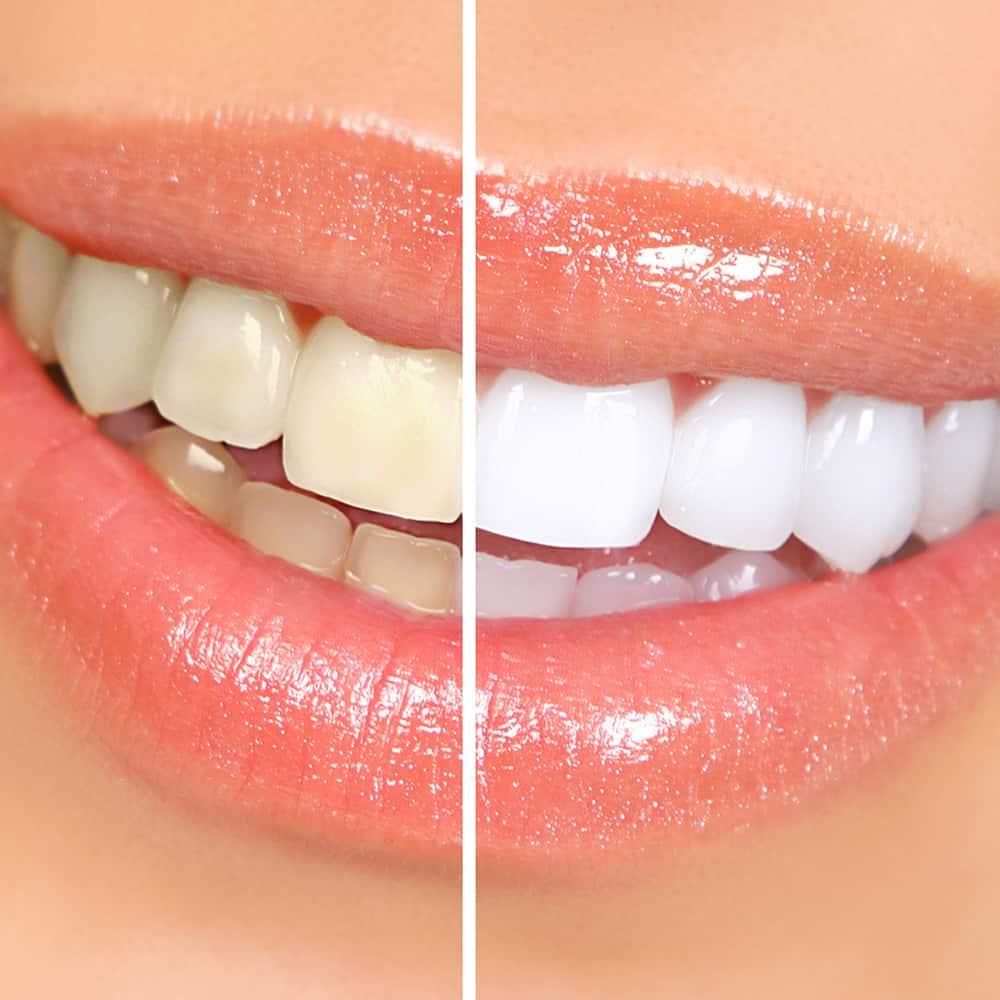
| A polish will whiten my teeth. | It removes surface stains, so teeth can look brighter, but it does not change their natural shade. Whitening is a separate treatment (£350 at Robinhood). |
| An electric toothbrush means I do not need a hygienist. | A good brush helps, but it cannot remove tartar or clean between teeth. You still need professional scaling if tartar has formed. |
| If nothing hurts, my gums must be fine. | Early gum disease is usually painless. Bleeding, bad breath and swollen gums are the signs to look for. |
If whitening is what you are after, see our guide to teeth whitening.
Keeping your gums healthy between visits
- Brush twice a day with a fluoride toothpaste, spending time along the gumline.
- Clean between your teeth every day with interdental brushes or floss. Brushing alone leaves a large part of each tooth uncleaned.
- Do not smoke or vape. Smoking is a major risk factor for gum disease and hides the usual warning sign of bleeding.
- Do not skip check-ups. A dentist checks for problems a hygiene appointment does not look for. Our guide to regular dental appointments explains how often you need one.
When to see a dentist instead of waiting for a hygiene appointment
Book a dentist appointment promptly if you have swollen or pus-filled gums, a tooth that has become loose, gums that keep bleeding for more than a week or two, or a bad taste that will not go. Call us the same day if you have facial swelling, a fever or constant pain. If swelling makes it hard to breathe or swallow, call 999 or go to A&E.
Dental hygienist FAQs
What does a dental hygienist do?
A dental hygienist is a GDC-registered member of the dental team who focuses on preventing and treating gum disease. They remove plaque and hardened tartar from your teeth (scaling), polish the surfaces, measure the health of your gums, and show you how to clean effectively at home.
Does a scale and polish hurt?
It should not be painful. Scraping and vibration are normal, and gums that are already inflamed can feel tender or bleed a little. Teeth with exposed roots can be sensitive. Tell the hygienist if anything is uncomfortable, because they can adjust their technique, take breaks or use numbing where it is needed.
How much does a hygienist cost in Birmingham?
At Robinhood Dental Practice in Hall Green a hygiene clean is from £64.50. Published private prices at the seven Birmingham practices we reviewed run from about £65 to £150, depending on appointment length and extras such as air polishing.
How often should I see a hygienist?
It depends on your gum health. Many people are advised to go every 3 to 12 months. You are likely to need visits more often if you have gum disease, smoke or vape, have diabetes, or build up tartar quickly. Your dentist or hygienist sets the interval after assessing your gums.
Can I see a hygienist without seeing a dentist first?
Under General Dental Council rules, hygienists can treat patients directly, without a dentist’s prescription, but each practice decides whether to offer this. Ask when you book. If the hygienist finds something that needs a dentist, they will refer you.
Is a scale and polish available on the NHS?
Yes, if your dentist decides it is clinically necessary. In England a simple scaling is included in a Band 1 course of treatment, currently £27.90. Extensive or complex gum treatment may be charged as Band 2, currently £76.60. A polish for appearance alone is private.
What is the difference between a scale and polish and a deep clean?
A scale and polish removes plaque and tartar from the tooth surfaces above and just below the gumline. A deep clean, also called root surface debridement, treats gum disease by cleaning below the gumline along the roots, often over several visits and with local anaesthetic.
Will scaling loosen my teeth or damage the enamel?
No. Scaling removes tartar, not healthy tooth. Gaps between teeth can look bigger afterwards because swollen gums settle down and tartar that was filling the spaces has gone, but the teeth have not moved. Teeth that are already loose because of gum disease may be more noticeable once the build-up is removed.
Does a hygiene appointment whiten teeth?
No. Polishing removes surface stains from tea, coffee and smoking, so teeth can look brighter, but it does not change the natural shade of your teeth. Whitening is a separate treatment.
How long does a hygiene appointment take?
Most last around 30 to 45 minutes, depending on how much build-up there is and whether your gums need extra attention. Treatment for gum disease takes longer and may be spread over several visits.
Key takeaways
- A hygienist removes the tartar that brushing cannot, and polishes and checks your gums. A dentist examines the whole mouth and carries out repairs.
- A scale and polish prevents gum disease. A deep clean treats gum disease that is already established. The measurement of your gums decides which you need.
- Most people are advised to go every 3 to 12 months, set by their gum health, smoking and diabetes.
- At Robinhood Dental Practice, a hygiene clean is from £64.50. Published Birmingham private prices run from about £65 to £150, and the NHS provides scaling only when clinically necessary.
- Bleeding gums are a sign to act on, not to avoid. Early gum disease can be reversed.
Book a hygiene appointment in Hall Green
If your gums bleed, your teeth feel rough, or you cannot remember your last professional clean, book an appointment at Robinhood Dental Practice, 1491 Stratford Rd, Hall Green, Birmingham, B28 9HT. A hygiene clean is from £64.50. Book online or call 0121 744 1484. We welcome new patients, and the practice is registered with the Care Quality Commission.
If you have constant pain, facial swelling, a fever or a knocked-out tooth, do not wait for a routine slot: call us today, or NHS 111 outside our opening hours.
Sources
- General Dental Council: Direct access
- NHS: What is included in each NHS dental band charge
- Adult Dental Health Survey 2009: Theme 2, disease and related disorders
- NICE: Dental checks, intervals between oral health reviews (CG19)
- NHS: Gum disease
- Robinhood Dental Practice: prices
This guide is general information, not a diagnosis or a substitute for advice from a dentist. If you are unsure how urgent a problem is, call NHS 111. In a life-threatening emergency, call 999.

 English
 Arabic
 Spanish
 Portuguese
 Deutsch
 Turkish
 Dutch
 Italiano
 Russian
 Romaian
 Portuguese (Brazil)
 Greek
