


How to Compare a Clothing Shop Online Before Buying Your Next Outfit
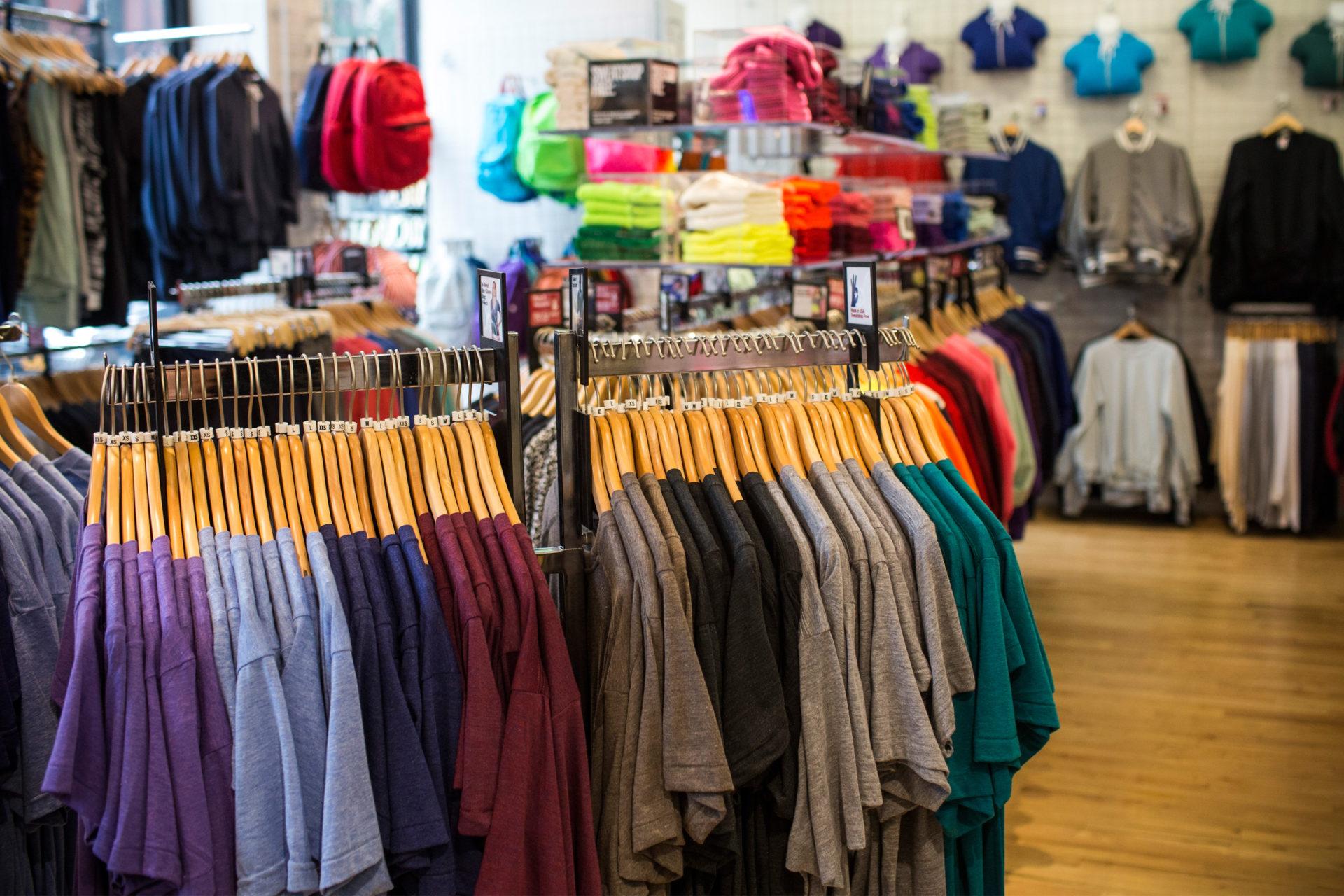
Shopping for clothes online is convenient, but choosing the right pieces can be harder than it looks. Sizing differs between retailers, fabrics can appear different on screen, and an outfit that looks great in a styled photo may not suit your everyday routine.
Before ordering, it helps to compare more than colour, price and appearance. A good clothing shop should provide clear information about sizing, fabric, care and returns. Those details make it easier to judge whether something is likely to fit comfortably and work with clothes you already own.
The aim isn't to find a perfect wardrobe overnight. It's to make better choices and buy clothes you're more likely to wear.
Check the Fit, Fabric and Practical Details
Fit should be one of your first checks because the size on the label only tells part of the story. A size 12 from one retailer, for example, won't necessarily have exactly the same measurements as a size 12 elsewhere.
When measurements are available, compare them with a similar garment you already own and like wearing. For trousers, pay attention to the waist, hips and inside leg. With dresses and tops, the bust, overall length and shoulder fit can be particularly useful.
This matters when doing online clothes shopping uk, where you cannot try an item on before ordering. Product photographs can give you a general impression, but measurements provide much more useful context.
Fabric deserves the same attention. Check the fibre composition and care instructions rather than deciding from photographs alone.
Cotton and linen can be useful when you want breathable clothing, although how a garment feels also depends on its weave, weight and construction. Wool can provide warmth during colder months. A small amount of elastane can add stretch to fitted trousers, dresses or skirts.
Also consider how much care you're realistically willing to give a garment. Something that requires special washing or frequent ironing may not be the best choice if you prefer low-maintenance everyday clothes.
Your existing wardrobe is another useful test. Before buying, think of at least two outfits you could create with the new piece.
Wide-leg trousers, for instance, could be worn with trainers, a simple top and cardigan during the day. For an evening out, the same trousers might work with a more fitted top, jacket and smarter footwear.
This approach is especially useful when searching for cheap clothes online. Price alone doesn't determine value. An inexpensive item that stays unworn isn't particularly useful, while something that works with several existing outfits may make much more sense for your wardrobe.
Look Beyond the Product Photos
A reliable clothing shop should make it reasonably easy to understand what you're ordering.
Useful product information may include garment measurements, fabric composition, care instructions and photographs from different angles. If the retailer gives the model's height and the size they're wearing, that can also provide some context for length and fit.
When shopping for clothing for ladies online, don't expect a garment to sit on your body exactly as it does on the model. Height, proportions, body shape and preferred fit all affect how clothes look and feel.
Think instead about the areas where fit matters most to you. If you like room around your hips, check those measurements carefully. If sleeves are often too long or short, look for sleeve measurements where available. For jackets and fitted tops, consider whether you'll have enough room across the shoulders and bust to move comfortably.
Body shape can help guide clothing choices, but it doesn't need to dictate them. Someone who likes waist definition might prefer high-waisted trousers, a belted dress or a tucked-in top. If you feel more comfortable in less fitted clothing, straight dresses, relaxed shirts and softly draped layers may suit you better.
Comfort should be tested against the occasion too. A dress may look right for dinner, but can you sit comfortably in it for several hours? Trousers may fit while you're standing, but do they still feel comfortable when you're sitting or walking?
Returns are another important part of comparing retailers. Before ordering, check how long you have to return unwanted items, whether exclusions apply and whether you'll need to pay return postage. Reading this information beforehand can prevent an unpleasant surprise later.
Customer reviews can be useful as supporting information, particularly when several shoppers mention the same issue with sizing, length or fabric. However, individual reviews are subjective. Use them alongside measurements and product details rather than treating a single comment as definitive.
If you're considering made in italy clothes, assess the garment itself rather than relying on the country-of-origin wording. Check the fabric composition, measurements, construction details and care requirements. These practical details tell you more about whether a particular piece is suitable for your wardrobe and lifestyle.
Think About Where You'll Actually Wear It
One of the most useful questions to ask before buying an outfit is simple: where am I going to wear this?
It's surprisingly easy to shop for an imagined version of your week. You might buy a formal dress when most of your social plans are casual, or choose delicate clothing when your daily routine requires plenty of movement.
For everyday wear, a few straightforward combinations can make dressing easier:
- Straight or wide-leg trousers with a T-shirt, cardigan and trainers can work for relaxed daytime plans.
- A midi dress with comfortable flats and a light extra layer can be practical when temperatures are mild.
- Jeans, a relaxed shirt and a lightweight jacket offer an easy option when you need something casual but put-together.
Going-out outfits need a slightly different approach. Consider where you're going, how long you'll be there and how much walking or sitting is involved. A fitted outfit may feel fine for an hour but uncomfortable over a long evening, so movement matters just as much as appearance.
UK weather also makes versatility useful. Conditions can change quickly, particularly during spring and autumn, so layers often make more sense than relying on one heavy garment.
A lightweight top with a cardigan or knit and a suitable outer layer gives you options if the temperature changes. During colder months, warmer fabrics and practical outerwear can be added without having to rethink the entire outfit.
Season matters when choosing fabric as well. Lightweight, breathable materials are generally more comfortable in warmer conditions, while heavier knits and insulating layers are more practical when temperatures fall. Think about indoor temperatures too, particularly if you'll be moving between heated buildings and cold weather outside.
Avoid the Most Common Online Shopping Mistakes
Many disappointing purchases happen because one detail gets too much attention. Sometimes it's the price. Sometimes it's a trend, a flattering photograph or simply the excitement of finding something new.
Try to judge the whole garment instead.
Before placing an order, check the size guide, measurements, material and care instructions. Think about what you'll wear underneath it, what footwear works with it and whether you already own an appropriate coat or jacket.
Be particularly careful with sale purchases. A large reduction can make an item seem more appealing, but the same basic question still applies: would you genuinely wear it?
Trends deserve similar caution. There's nothing wrong with trying a current shape or style, but it should still fit comfortably and suit your normal routine. If you usually prefer relaxed clothing, buying something extremely fitted simply because it's fashionable may leave you reaching for your familiar clothes instead.
Colour is worth considering too. Rather than worrying about strict rules, think about whether the colour works with pieces you already wear regularly. A new top that matches several pairs of trousers, skirts or jeans will generally be easier to style than one requiring an entirely new outfit around it.
What Actually Makes an Online Clothing Choice Work
Comparing a clothing shop online isn't about finding the retailer with the biggest range or simply choosing the lowest price. It's about having enough reliable information to decide whether a garment makes sense for you.
Start with measurements and fabric. Check the care requirements and return information. Then think about your normal week, the UK weather, how much movement you'll need and the clothes already hanging in your wardrobe.
Most importantly, give comfort the same attention as appearance. Clothing that pinches, restricts movement or requires constant adjusting is unlikely to become a favourite, however good it looks online.
A useful purchase should make getting dressed easier. If an item fits properly, feels comfortable, works for the occasions you actually have and combines easily with your existing clothes, there's a much better reason for giving it space in your wardrobe.

 English
 Arabic
 French
 Portuguese
 Deutsch
 Turkish
 Dutch
 Italiano
 Russian
 Romaian
 Portuguese (Brazil)
 Greek
