


Fresh Herbs and Garnishes: Improving Food Presentation in Professional Kitchens
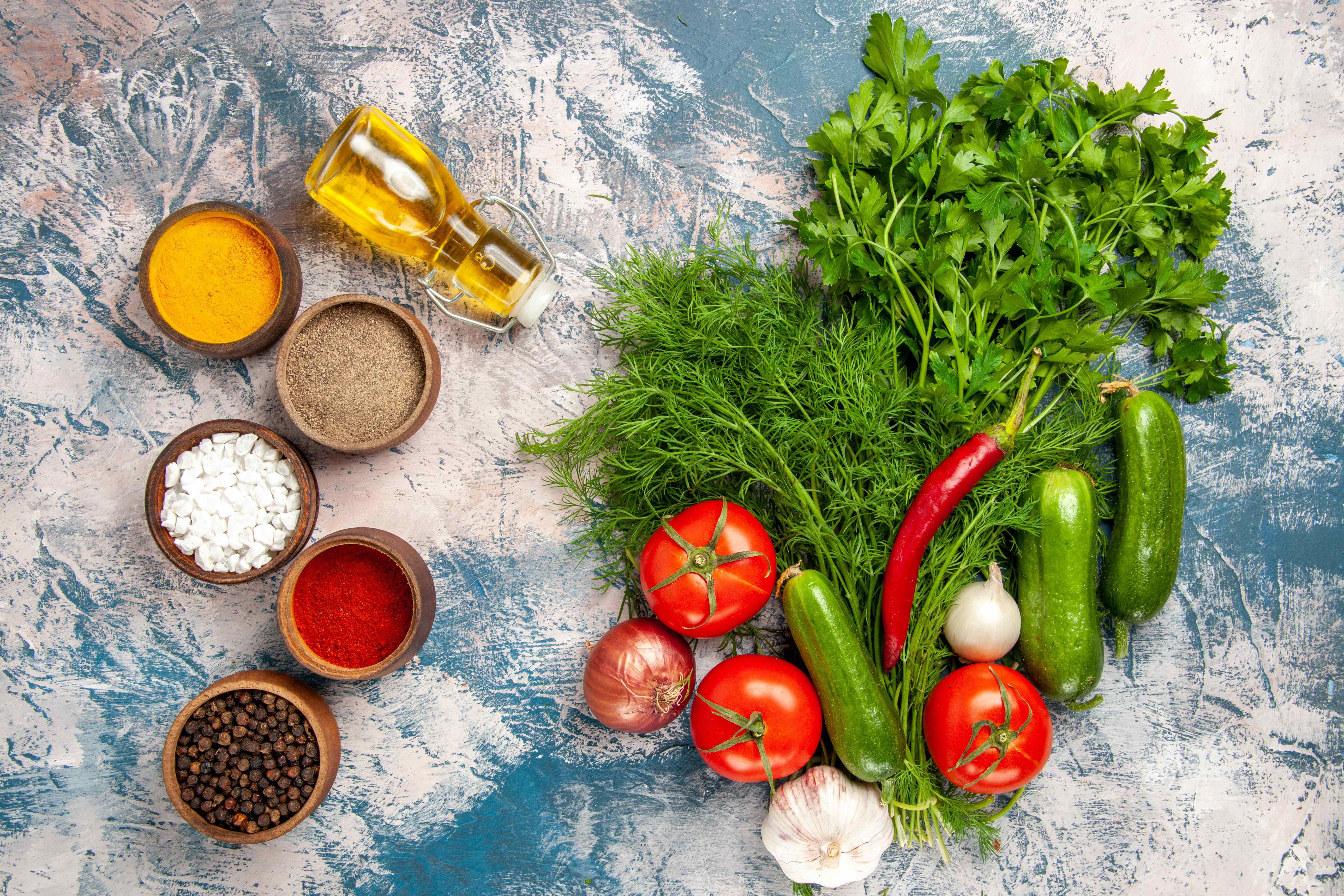
In professional kitchens, food presentation plays an important role in creating a positive dining experience. Guests notice the appearance of a dish before tasting it, and small details such as fresh herbs, colourful vegetables, sliced chillies and carefully prepared garnishes can make a meal look more appealing.
Fresh ingredients also contribute to flavour and aroma. A few leaves of basil, chopped parsley or freshly grated ginger can add character to a dish, while lemon zest, coriander and sliced chillies can provide colour and a distinctive finishing touch.
Fresh herbs and garnishes for restaurants are therefore more than decorative ingredients. They are part of menu preparation, food quality and kitchen presentation standards. Restaurants need to select suitable ingredients, purchase them in appropriate quantities, store them correctly and prepare them consistently.
This guide explains how professional kitchens can use fresh herbs, chillies, garlic, ginger and other garnishes to improve food presentation while managing purchasing and preparation efficiently.
1. Understand the Role of Fresh Herbs in Professional Cooking
Fresh herbs are widely used in restaurants because they add flavour, aroma, colour and visual appeal. Different herbs complement different ingredients, so chefs should understand how to use them appropriately.
Some commonly used culinary herbs include:
-
Basil: Often used with tomatoes, pasta, salads and Mediterranean dishes.
-
Parsley: Suitable for soups, sauces, grilled dishes and salads.
-
Coriander: Commonly used in curries, Asian-inspired dishes, chutneys and fresh salads.
-
Mint: Works well with lamb, yoghurt-based sauces, fruit salads and drinks.
-
Rosemary: Complements roasted potatoes, poultry and meat dishes.
-
Thyme: Often used in stocks, sauces, vegetables and slow-cooked meals.
-
Dill: Commonly paired with fish, potatoes and fresh salads.
-
Chives: Add a mild onion flavour to eggs, potatoes, soups and creamy dishes.
Restaurants should choose herbs according to their menu rather than purchasing a wide range without a clear purpose.
For example, a restaurant serving Mediterranean food may use basil, oregano, parsley and rosemary regularly, while a kitchen specialising in South Asian dishes may require coriander, mint and curry leaves more frequently.
A focused herb selection helps maintain consistency and makes purchasing easier to manage.
2. Use Fresh Herbs to Improve Food Presentation
Fresh herbs can transform the appearance of a finished dish when used with care. Their natural colours and shapes provide contrast against sauces, vegetables, meat and other ingredients.
Chefs can use herbs in several ways:
Finishing touches: Chopped parsley, coriander or chives can be added just before serving to provide a fresh appearance.
Whole herb leaves: Basil, mint and coriander leaves can be arranged neatly on selected dishes to create a simple finishing detail.
Herb oils: Blended herbs can be used to create colourful oils for soups, starters and main courses.
Fresh sauces: Mint, coriander and parsley can form the base of sauces and accompaniments.
Salad presentation: Fresh dill, basil and mint can add colour, aroma and additional flavour to salads.
The important principle is to use garnishes that complement the dish. Too many decorative ingredients can make a plate look crowded and distract from the main food.
A well-presented dish should have a clear focal point, balanced colours and a garnish that has a purpose.
3. Select the Right Fresh Chillies for Flavour and Colour
Fresh chillies are useful ingredients in professional kitchens because they can contribute heat, colour and texture. They are used in a wide range of cuisines, including Indian, Thai, Mexican and other international dishes.
Different varieties provide different levels of heat and appearance. Depending on the recipe, chefs may use green chillies, red chillies, long mild chillies or smaller, hotter varieties.
Common applications include:
-
Thinly sliced chillies for noodle and rice dishes.
-
Chopped chillies for sauces and marinades.
-
Fresh chilli rings for selected savoury garnishes.
-
Diced chillies for salsa and salads.
-
Whole chillies for certain curries and cooked dishes.
Purchasing teams should confirm the required variety with chefs because suppliers may offer different sizes, colours and heat levels.
Fresh chillies should be checked for firmness, appearance and signs of deterioration. Kitchens should also use appropriate handling practices, including thorough handwashing after preparation, and avoid touching the eyes or face when handling hot varieties.
Consistent chilli specifications help maintain the expected flavour and appearance of menu items.
4. Use Garlic and Ginger to Build Flavour and Improve Consistency
Garlic and ginger are important ingredients in many professional kitchens. They are widely used in sauces, marinades, curries, soups, stir-fries and other cooked dishes.
Although they are not always treated as decorative garnishes, their preparation and presentation can influence the final appearance and flavour of a meal.
Garlic can be purchased whole and prepared according to kitchen requirements. Chefs may use finely chopped garlic, crushed garlic, garlic slices or roasted cloves depending on the recipe.
Ginger is similarly versatile. It can be grated, finely chopped, sliced into strips or cut into small pieces for different dishes.
For purchasing and preparation, kitchens should consider:
-
Consistent product size and quality.
-
Firm texture and fresh appearance.
-
Suitable quantities for expected consumption.
-
Whole or prepared product requirements.
-
Storage conditions and stock rotation.
-
Preparation time and labour availability.
Some high-volume kitchens may find prepared garlic or ginger useful for particular operations, while others may prefer whole ingredients for greater control over freshness and preparation.
The decision should reflect the recipe, food quality expectations and overall kitchen costs.
5. Plan Garnishes According to the Menu
Garnish planning should begin when chefs develop their menus, not only when a dish is ready to leave the kitchen.
Each menu item should have a clear presentation standard that identifies which garnish is required, how it should be prepared and how much should be used.
For example:
-
Tomato-based pasta may use basil leaves and a small amount of grated cheese.
-
Grilled fish may be finished with lemon, parsley or dill.
-
A curry may use chopped coriander and sliced fresh chilli.
-
A salad may include mint leaves, fresh herbs and colourful vegetables.
-
Roasted potatoes may be finished with chopped parsley or rosemary.
A standard garnish specification helps different chefs produce similar results during busy service periods.
Restaurants can create simple plating guides with photographs, ingredient quantities and preparation instructions. These guides are particularly useful when several kitchen employees prepare the same dish.
Garnish planning should also consider the number of dishes on the menu that use each ingredient. If parsley, coriander and mint are used across several recipes, the purchasing team can forecast their requirements more accurately.
6. Maintain Consistent Food Presentation Across Every Service
Consistency is an important part of professional kitchen operations. Customers should receive a similar standard of presentation whether they visit during lunch, dinner or a busy weekend service.
Without clear instructions, garnishes can vary between chefs. One plate may contain too much parsley, while another may have a different arrangement or missing ingredients.
Restaurants can improve consistency by establishing standard plating procedures.
These should include:
Defined garnish quantities: Specify the approximate amount required for each dish.
Preparation standards: Explain whether herbs should be chopped, picked, sliced or used whole.
Presentation photographs: Provide a visual example of how the finished dish should look.
Service checks: Ask kitchen supervisors to review presentation during busy periods.
Staff training: Make sure kitchen employees understand why particular garnishes are used and how to prepare them.
A simple, repeatable approach makes it easier to maintain presentation standards without slowing down food service.
7. Source High-Quality Fresh Herbs and Garnish Ingredients
The quality of a garnish depends heavily on the quality of the ingredients purchased. Wilted herbs, damaged chillies or poor-quality vegetables can reduce the visual appeal of a finished dish.
Restaurants should work with suppliers who understand the requirements of commercial kitchens and can provide consistent fresh produce.
When evaluating suppliers, purchasing managers should consider:
-
Freshness and appearance of the products.
-
Strength of aroma in culinary herbs.
-
Consistency of size and quality.
-
Availability of different herb varieties.
-
Suitable packaging.
-
Delivery frequency.
-
Seasonal availability.
-
Ability to meet changing order quantities.
For fresh herbs, quality checks should include looking for bright, healthy leaves without excessive yellowing, wilting or decay. Aroma is also important because the useful culinary quality of herbs can decline during storage.
Restaurants should communicate clear specifications to wholesalers so that the products delivered match the requirements of their recipes.
8. Store Fresh Herbs and Garnishes Correctly
Fresh herbs and prepared garnishes can lose quality quickly if they are stored incorrectly. Leaves may wilt, change colour or lose their characteristic aroma, while cut vegetables can dry out or deteriorate.
Storage requirements vary between ingredients, so kitchens should avoid treating every herb in exactly the same way.
General storage practices include:
-
Inspecting produce when it arrives.
-
Removing damaged or deteriorating leaves.
-
Following appropriate temperature requirements for each product.
-
Using clean, suitable food-grade containers.
-
Keeping prepared garnishes covered and protected.
-
Labelling prepared ingredients where required.
-
Rotating stock regularly.
-
Preparing delicate garnishes as close to service as practical.
Basil, for example, is sensitive to chilling and may develop darkened leaves when stored too cold. Other herbs have different storage requirements, so staff should follow suitable guidance for each variety.
Prepared garnishes should also be protected from contamination and handled according to the kitchen's food safety procedures.
Correct storage helps maintain appearance, flavour and usable shelf life.
9. Control Garnish Costs and Reduce Kitchen Waste
Garnishes may represent a relatively small portion of an individual dish, but their cost can add up across hundreds of meals.
Ordering too many fresh herbs or preparing excessive quantities can create avoidable waste, particularly when ingredients have a limited usable life.
Restaurants can control these costs by reviewing how much garnish each dish requires and how frequently ingredients are used.
Practical measures include:
-
Setting standard garnish portions.
-
Forecasting requirements from expected sales.
-
Ordering according to actual consumption.
-
Avoiding unnecessary decorative ingredients.
-
Reviewing unused herbs after service.
-
Using suitable surplus ingredients in planned recipes.
-
Adjusting delivery frequency for delicate products.
For example, if a kitchen purchases large quantities of mint for one menu item but only uses a small amount each day, the purchasing team may need to reduce the order or introduce other suitable menu applications.
The goal should be to use ingredients efficiently without compromising food quality or presentation.
10. Coordinate Herb and Garnish Purchasing With Suppliers
Fresh herbs and garnish ingredients are often purchased alongside a restaurant's wider fruit and vegetable requirements. Coordinating these orders can help purchasing teams organise deliveries and maintain a clearer overview of fresh produce expenditure.
However, different products may require different delivery frequencies. Delicate herbs may need more frequent replenishment, while garlic and ginger can often be purchased according to longer-term usage and suitable storage arrangements.
Restaurants should communicate with suppliers about:
-
Required herb varieties.
-
Preferred product sizes.
-
Expected weekly quantities.
-
Packaging specifications.
-
Delivery schedules.
-
Seasonal substitutions.
-
Quality requirements.
-
Procedures for reporting unsuitable products.
Purchasing managers should also share menu changes with suppliers when those changes affect ingredient demand.
A dependable supply arrangement helps kitchens maintain the ingredients needed for consistent food preparation and presentation.
11. How Fresh Produce Procurement Support Can Help Restaurants
Managing fresh herbs, chillies, garlic, ginger and other garnish ingredients requires careful purchasing and supplier coordination. Restaurants need to balance product quality, availability, delivery frequency and ingredient costs.
A structured procurement process can help businesses identify suitable suppliers, compare product specifications and organise their fresh produce requirements more effectively.
ES Connect provides hospitality procurement services across the UK, helping restaurants, hotels, cafés and bars with supplier sourcing and purchasing requirements. Businesses looking to improve their fresh produce supply arrangements can explore ES Connect's fruit and vegetable wholesale sourcing for hospitality businesses.
By reviewing purchasing requirements and working with suitable suppliers, restaurants can improve the consistency of their fresh ingredients and support the day-to-day needs of their professional kitchens.
Conclusion
Fresh herbs and garnishes play an important role in professional cooking. They contribute flavour, aroma, colour and visual appeal, helping restaurants present dishes to a consistent standard.
From basil and parsley to chillies, garlic and ginger, each ingredient has a specific purpose in the kitchen. Successful use depends on selecting suitable products, planning garnishes around the menu, maintaining clear preparation standards and storing ingredients correctly.
Restaurants can also improve purchasing efficiency by forecasting demand, controlling garnish portions and working with reliable fresh produce suppliers.
Ultimately, good food presentation is not about adding as many decorations as possible. It is about choosing fresh, appropriate ingredients and using them thoughtfully to complement the dish.

 English
 Arabic
 Spanish
 Portuguese
 Deutsch
 Turkish
 Dutch
 Italiano
 Russian
 Romaian
 Portuguese (Brazil)
 Greek
