


EEG Test Near Me: What to Expect Before You Book
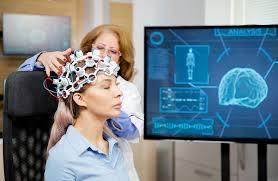
If you’ve been typing “eeg test near me” into your phone after a doctor’s advice, you probably have questions. What does the test involve? Is it safe? Will it hurt?
An EEG records the brain’s electrical activity. Doctors use it to look into seizures, fainting spells, sleep problems and unexplained changes in awareness. Many people look for EEG testing services near you without knowing what the appointment is actually like. This article walks you through the basics in plain language, so you can book with confidence and arrive prepared.
What Does an EEG Actually Measure?
Your brain cells communicate through tiny electrical signals. An electroencephalogram (EEG) picks up these signals and displays them as wavy lines on a screen.
Doctors look at the pattern, rhythm and speed of these waves. Unusual patterns can offer clues about conditions such as epilepsy or other brain-related concerns.
An EEG does not read your thoughts. It also doesn’t cause any electrical activity in the brain. It only listens and records.
Who May Need an EEG?
Your doctor may suggest the test if you have:
-
Seizures or episodes of staring blankly
-
Unexplained fainting or sudden blackouts
-
Repeated episodes of confusion or memory lapses
-
Sleep-related issues, such as unusual movements at night
-
Sudden behaviour changes without a clear reason
-
Developmental or attention concerns in children, as advised by a paediatrician
The test is also used to monitor people already diagnosed with a seizure disorder and to see how they respond to treatment.
An abnormal reading doesn’t automatically mean something serious, and a normal one doesn’t always rule out a problem. Results are always interpreted alongside your symptoms and examination.
What Happens During the Test
The procedure is painless and non-invasive. Here is how it typically goes:
-
A technician measures your head and marks the spots for electrodes.
-
Small metal discs are attached to your scalp with a gel or paste.
-
You lie down or sit back comfortably and stay relaxed, usually with your eyes closed.
-
The technician may ask you to open and close your eyes, breathe deeply for a few minutes, or look at a flashing light.
-
The machine records your brain waves throughout.
A routine study usually takes 30 to 60 minutes. The gel can feel cool and a bit sticky, but that is about the worst of it. Many people, especially children, doze off during the recording.
Types of EEG Studies
Not every EEG is the same. Ask your doctor which type you need before you search for an EEG test near me:
-
Routine EEG: a short recording while awake, and sometimes drowsy.
-
Sleep-deprived EEG: done after limited sleep, since some abnormal patterns show up more clearly when you’re tired.
-
Video or ambulatory EEG: a longer recording, sometimes over many hours, used when episodes are infrequent or hard to capture.
Preparing for Your EEG Test Near Me
A little preparation helps the technician get a clean, readable recording.
-
Wash your hair the night before. Skip oils, gels, sprays and conditioner, because they can stop electrodes from sticking.
-
Avoid hair extensions or tight braids if possible, as they get in the way of electrode placement.
-
Follow instructions on caffeine. Some centres ask you to avoid tea, coffee and cola for several hours beforehand.
-
Keep taking your medicines unless your doctor tells you otherwise. Never stop anti-seizure medication on your own.
-
Eat a normal meal. Low blood sugar can alter the recording.
-
Follow sleep instructions carefully. If a sleep-deprived study is planned, the centre will tell you how much to sleep the night before.
-
Bring your prescriptions and old reports, including MRI or CT scans.
If your child is having the test, bring a favourite toy or book to keep them calm and still.
How to Find a Reliable EEG Test Near Me in Bangalore
Convenience matters in a city where traffic can swallow half your morning. But it shouldn’t be the only factor. Consider these points:
-
Trained technicians. Electrode placement needs skill, and clean readings depend on it.
-
Specialist reporting. The recording should be reviewed by a neurologist or a doctor experienced in reading EEGs.
-
Child-friendly handling. If the patient is a child, ask whether the staff are comfortable working with young ones.
-
Clear communication. A good centre explains the process, preparation steps and report timelines when you call.
-
Appointment flexibility. Sleep-deprived or longer studies may need special scheduling, so confirm in advance.
-
Your doctor’s preference. Your neurologist may favour a centre whose report format they already know.
Allow extra travel time on the day. Arriving rushed or stressed can make it harder to relax during the recording.
After the Test
You can usually go home right away and resume normal activities. If you were sleep-deprived, avoid driving and ask someone to accompany you. The gel can be washed off with warm water, though it may take a rinse or two.
Your report goes to your doctor, who will explain the findings and decide on next steps. These may include further tests, medication or follow-up monitoring.
Final Thoughts
An EEG is a safe, painless way to give your doctor a clearer picture of what’s happening in your brain. The test itself is simple. The anxiety usually comes from not knowing what to expect.
Once you understand the process, finding the right EEG test near me becomes much easier. Prepare well, ask questions and follow your doctor’s guidance. If you notice sudden confusion, repeated blackouts or seizure-like episodes, don’t wait for a routine appointment. Seek medical help promptly.
Frequently Asked Questions
1. Is an EEG painful?
No. The electrodes only record signals and do not send any electricity into your brain. You may feel mild coolness from the gel.
2. Can an EEG detect all brain problems?
No. It is most useful for conditions that affect electrical activity, such as seizures. Other issues may need scans or additional tests.
3. How long does it take to get the report?
This varies by centre. Some provide it the same day, while others take a day or two. Ask when you book.
4. Is the test safe for children and older adults?
Yes. It is considered safe for all ages. Staff may use extra patience and reassurance with young children.
5. Do I need to stop my regular medicines before the test?
Usually not. Never stop or change medication, especially seizure medicine, unless your doctor specifically instructs you to.

 English
 Arabic
 French
 Spanish
 Portuguese
 Deutsch
 Turkish
 Dutch
 Italiano
 Russian
 Portuguese (Brazil)
 Greek
