


Legal Help for Debt: What Are Your Main Options?
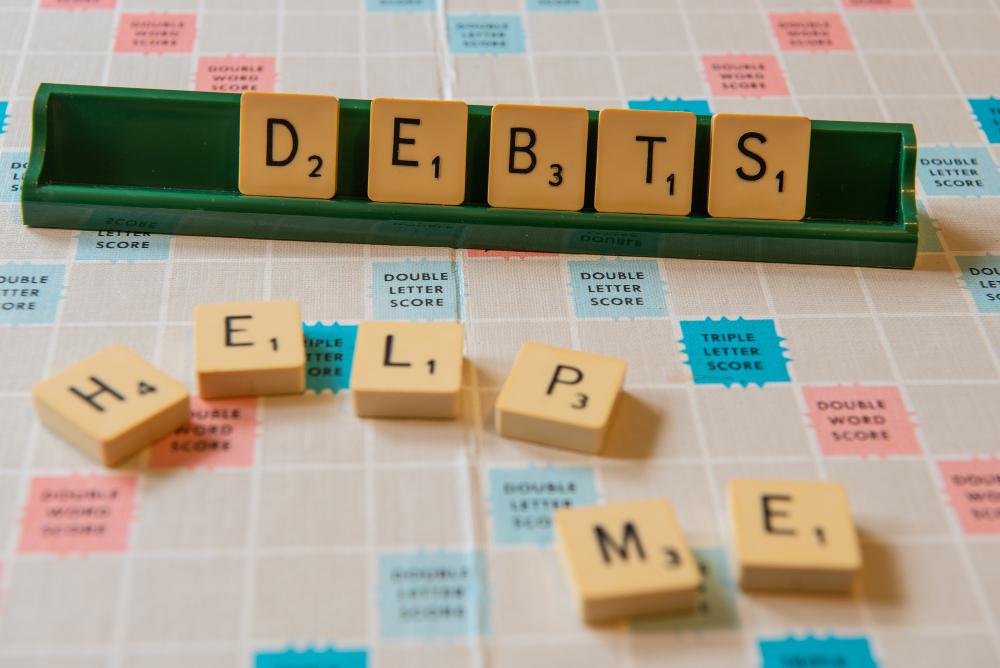
Debt rarely arrives all at once. It builds up through a medical bill, a missed car payment, a credit card balance that grew faster than your paycheck. When the calls and letters start, many people freeze. The good news is that you have more choices than you think, and each one fits a different situation. At IAMPROSAY, we believe a clear picture of your options is the first step toward getting your finances back under control.
Legal help for debt can be a valuable resource for individuals struggling to manage financial obligations and protect their rights. From reviewing collection notices to negotiating with creditors or exploring options such as debt settlement, bankruptcy, or repayment plans, professional legal guidance can help people make informed decisions and avoid costly mistakes. IAMPROSAY offers support for those seeking practical solutions and clearer direction during difficult financial times.
This guide walks through the main legal routes for dealing with debt, compares them side by side, and answers the questions people ask most.
Start With the Basics: Know What You Owe
Before choosing a path, gather the facts. Many people skip this step and end up paying the wrong debt, or paying a debt that is no longer legally collectible.
Make a simple list that includes:
- Every creditor and collector contacting you
- The original balance and the current balance
- Interest rates and monthly minimums
- The date of your last payment on each account
- Whether the debt is secured (backed by a car or home) or unsecured (credit cards, medical bills, personal loans)
That last point matters a great deal. Secured debts can lead to repossession or foreclosure, so they usually come first. Unsecured debts give you more room to negotiate.
Option 1: Debt Validation and Your Rights
If a collector contacts you, you have the right under the federal Fair Debt Collection Practices Act (FDCPA) to ask for written validation of the debt. You generally have 30 days from the first notice to make that request in writing.
Validation forces the collector to show the amount, the original creditor, and proof the debt is yours. Collectors sometimes buy old accounts in bulk with sloppy records, so mistakes are common. While a valid dispute is pending, collection on that debt should pause until they respond.
Also remember that collectors cannot harass you, call at unreasonable hours, threaten arrest, or lie about the amount you owe. Keep a log of every call and save every letter.
Option 2: Negotiating Directly With Creditors
You do not need a lawyer to pick up the phone. Creditors would often rather get something than nothing, and many have hardship programs they rarely advertise.
Things you can ask for:
- A lower interest rate
- A waived late fee
- A temporary payment pause
- A reduced lump-sum payoff (a “settlement”)
- A longer repayment schedule
Always get any agreement in writing before you send money. A verbal promise is hard to prove later.
Option 3: Debt Management Plans
A debt management plan (DMP) is offered through nonprofit credit counseling agencies. You make one monthly payment to the agency, and it distributes the money to your creditors, often at reduced interest rates. Most plans run three to five years.
A DMP works best if you have steady income and mostly credit card debt. It does not reduce what you owe, but lower interest means more of each payment goes toward the principal. Check that the agency is a legitimate nonprofit and ask about all fees upfront.
Option 4: Debt Settlement
Settlement means negotiating to pay less than the full balance, usually after an account is already delinquent. It can save money, but it comes with real downsides:
- Your credit score will likely drop
- Forgiven debt may count as taxable income
- Creditors are not required to agree
- Some for-profit settlement companies charge high fees or make unrealistic promises
Be wary of any company that demands payment before it settles a single account. Federal rules generally prohibit that practice for telemarketed debt relief services.
Option 5: Debt Consolidation
Consolidation combines several debts into one new loan or balance transfer, ideally at a lower rate. It simplifies your life and can reduce interest, but it only works if your credit is decent enough to qualify for better terms, and only if you stop adding new debt afterward. Otherwise, you may end up with the consolidation loan plus fresh balances on the old cards.
Option 6: Bankruptcy
Bankruptcy has a heavy reputation, but it exists for a reason: to give honest people a legal fresh start. There are two common types for individuals.
Chapter 7 wipes out most unsecured debts, typically within a few months. You must pass a means test, and some non-exempt property could be sold.
Chapter 13 sets up a court-approved repayment plan lasting three to five years. It is often used to keep a house or car while catching up on missed payments.
Bankruptcy stays on your credit report for up to ten years (Chapter 7) or seven years (Chapter 13), but many people begin rebuilding credit within a year or two. It is a serious step, so talk to a qualified bankruptcy attorney before filing.
Comparing Your Main Options
| Option | Best For | Cost | Credit Impact | Typical Timeline |
|---|---|---|---|---|
| Debt validation | Unfamiliar or questionable debts | Free | Minimal | 30–60 days |
| Direct negotiation | Manageable debt, temporary hardship | Free | Low to moderate | Weeks to months |
| Debt management plan | Credit card debt with steady income | Small monthly fee | Moderate, improves over time | 3–5 years |
| Debt settlement | Serious delinquency, some lump-sum cash | Fees plus possible taxes | High | 2–4 years |
| Consolidation loan | Good credit, several high-rate debts | Interest and origination fees | Low if paid on time | 3–7 years |
| Chapter 7 bankruptcy | Overwhelming unsecured debt, low income | Court and attorney fees | Very high | 3–6 months |
| Chapter 13 bankruptcy | Saving a home or car, regular income | Court and attorney fees | High | 3–5 years |
Don’t Forget the Smaller Debts: Toll and Traffic Notices
Not every debt comes from a credit card. Unpaid tolls are one of the most overlooked. A missed toll can turn into a notice, then a late fee, then a larger penalty, and in some states it can block your vehicle registration renewal.
If you receive a toll notice and believe it is wrong, act quickly. Common causes include a transponder that was not scanned, an old license plate still linked to your account, a rental car, or a sold vehicle still registered in your name. Most toll agencies set short deadlines, so read the notice carefully for the response date.
When you decide to Dispute E-ZPass Violation charges, build your case with documents. Gather your account statement, the notice number, the date and location of the charge, and proof such as a rental agreement, a bill of sale, or a record of your plate change. Submit your dispute in writing through the official agency channel and keep a copy of everything. If your first attempt is denied, most agencies offer an appeal or hearing process.
Ignoring toll notices is the worst move, because small amounts grow and can end up with a collection agency.
Where to Find Free or Low-Cost Help
You do not need to be wealthy to get qualified guidance. Consider these resources:
- Legal aid organizations: Free civil legal services for people who meet income limits
- Nonprofit credit counselors: Look for agencies affiliated with the National Foundation for Credit Counseling
- Bar association referral services: Many offer a low-cost first consultation
- Law school clinics: Supervised students sometimes handle debt cases at no charge
- State attorney general consumer offices: Helpful for complaints about abusive collectors
Warning Signs of Debt Relief Scams
Desperation attracts bad actors. Walk away if someone:
- Guarantees they can erase your debt
- Asks for large upfront fees
- Tells you to stop talking to all creditors and send money only to them
- Pressures you to decide immediately
- Will not explain their fees in writing
Final Thoughts
There is no single best answer for everyone. A person with one disputed collection account needs a very different plan from someone facing wage garnishment and three maxed-out cards. The right choice depends on your income, your assets, the type of debt, and your long-term goals. Start by understanding what you owe, protect your rights, and get qualified advice before making big decisions. IAMPROSAY encourages you to take that first step today, because every week of delay usually makes the problem more expensive.
Frequently Asked Questions
1. Can a debt collector sue me?
Yes, if the debt is valid and the statute of limitations has not expired. If you are served with a lawsuit, respond by the deadline. Ignoring it can lead to a default judgment, which may allow wage garnishment or a bank levy.
2. What is the statute of limitations on debt?
It is the time limit for a creditor to sue you, typically three to six years, though it varies by state and debt type. Be careful: in some states, a small payment or written acknowledgment can restart the clock.
3. Will checking my options hurt my credit score?
No. Learning about your options, requesting validation, or speaking with a nonprofit credit counselor does not affect your score. Credit damage comes from missed payments, settlements, and bankruptcy filings.
4. Is debt settlement better than bankruptcy?
Not always. Settlement may suit someone with a few large debts and some savings. Bankruptcy may be better when debts are overwhelming and there is little ability to repay. A consultation with an attorney can help you compare.
5. How do I Dispute E-ZPass Violation notices correctly?
Respond before the deadline, use the official agency portal or mailing address, and attach evidence such as plate records, rental paperwork, or account statements. Keep copies and confirmation numbers for your records.
6. Can I stop wage garnishment?
Sometimes. You may be able to challenge it if the debt is not valid, if the garnishment exceeds legal limits, or if you qualify for an exemption. Bankruptcy can also stop garnishment automatically in many cases.
7. Do I need a lawyer to handle my debt?
Not for every situation. Simple negotiation or a validation letter can be done alone. A lawyer is worth considering if you are being sued, facing garnishment, or thinking about bankruptcy.

 English
 Arabic
 French
 Spanish
 Portuguese
 Deutsch
 Turkish
 Dutch
 Italiano
 Russian
 Romaian
 Portuguese (Brazil)
