


Breast Reduction Surgery After Pregnancy: What Women Should Know
Pregnancy and breastfeeding can bring significant changes to breast size, shape, and skin elasticity. Some women experience an increase in breast volume during pregnancy, while others notice that their breasts remain enlarged or feel heavier after childbirth. These changes may contribute to physical discomfort, difficulty finding comfortable clothing, and dissatisfaction with body proportions. Breast Reduction Surgery in Riyadh (تصغير ورفع الثدي في الرياض) may be an option for women who want to reduce excess breast volume and improve breast shape after completing pregnancy-related changes. Understanding the appropriate timing, possible benefits, recovery process, and future pregnancy considerations can help women make informed decisions about treatment.
How Pregnancy Changes Breast Size and Shape
Hormonal changes during pregnancy prepare the breasts for milk production. As glandular tissue develops and blood flow increases, breast volume may become noticeably larger. Some women also experience changes in breast sensitivity, fullness, and skin appearance.
After childbirth and breastfeeding, breast size may decrease as milk production stops. However, the breasts do not always return to their previous shape or volume. Some women experience persistent enlargement, stretched skin, reduced fullness, or changes in breast symmetry.
These changes are natural and vary from person to person. Factors such as genetics, age, weight fluctuations, hormonal changes, and the duration of breastfeeding can influence how the breasts look after pregnancy.
Why Some Women Consider Breast Reduction After Pregnancy
For certain women, increased breast size after pregnancy can create physical and lifestyle challenges. Breast reduction may be considered when these concerns continue after the body has had sufficient time to adjust.
Persistent Neck, Shoulder, and Back Discomfort
Larger breasts can place additional weight on the upper body, potentially contributing to neck, shoulder, and back discomfort. Some women notice that these symptoms become more difficult to manage when breast volume remains elevated after pregnancy.
Reducing breast weight may help relieve discomfort associated with excessive breast volume, although other causes of back or shoulder pain should also be evaluated.
Changes in Breast Proportions
Pregnancy can affect breast volume and skin elasticity, sometimes leaving the breasts looking larger or less proportionate to the rest of the body. Women who feel dissatisfied with these changes may explore surgical options to achieve a breast size that better suits their frame.
Difficulty With Clothing and Physical Activities
Some women find that their post-pregnancy breast size makes clothing choices more challenging. Exercise and everyday movement may also feel uncomfortable without adequate support. Reducing breast volume may improve comfort during certain activities after full recovery.
Is Breast Reduction Surgery Appropriate After Breastfeeding?
Women considering breast reduction after breastfeeding should generally wait until breastfeeding has completely stopped and breast size has stabilized. This allows the surgeon to assess the breast tissue and skin more accurately before planning the procedure.
The appropriate waiting period varies depending on individual circumstances. Many surgeons recommend waiting several months after breastfeeding ends, often around three to six months, although some patients may need longer. A consultation is important to determine whether the breasts have settled sufficiently for surgery.
It is also important to discuss future pregnancy plans. Another pregnancy may cause changes in breast volume and skin elasticity, potentially affecting surgical results.
How Breast Reduction Surgery Works After Pregnancy
Breast Reduction Surgery in Riyadh involves removing excess breast tissue, fat, and skin to reduce breast volume and reshape the remaining tissue. The nipple and areola may also be repositioned to create a more balanced appearance.
The surgical technique depends on breast size, skin quality, tissue distribution, and the amount of reduction required. Some women may have enlarged breasts with relatively good skin elasticity, while others may have additional skin laxity following pregnancy and breastfeeding.
The surgeon evaluates these factors before recommending an appropriate approach. The goal is to create smaller breasts with proportions suited to the patient's body while considering nipple position, symmetry, and overall safety.
Potential Benefits of Breast Reduction After Pregnancy
For women experiencing persistent breast-related concerns, surgery may offer several potential improvements.
-
Reduced breast weight: Removing excess tissue can decrease the physical burden associated with large breasts.
-
Improved body proportions: Reshaping may create a breast size that feels more balanced with the waist, shoulders, and overall frame.
-
Greater physical comfort: Some patients experience relief from discomfort related to breast weight.
-
Easier clothing choices: Smaller breasts may make it more convenient to find supportive bras and well-fitting outfits.
-
Improved activity comfort: Reduced breast volume may make certain forms of exercise and everyday movement easier.
Individual outcomes vary, and surgery cannot guarantee a particular appearance or complete relief from physical symptoms.
Can Breast Reduction Affect Future Breastfeeding?
One important consideration for women planning future pregnancies is the potential effect of breast reduction on breastfeeding. Depending on the surgical technique, some milk ducts, glandular tissue, or nerves may be affected.
Although some women can breastfeed after breast reduction, others may experience reduced milk production or difficulty breastfeeding. The likelihood depends partly on how much tissue is removed and whether the connection between the nipple and underlying breast tissue is preserved.
Women who may want more children should discuss this possibility with their surgeon before proceeding. Understanding the potential limitations can help them decide whether to have surgery now or wait until their family plans are complete.
Recovery Considerations After Breast Reduction
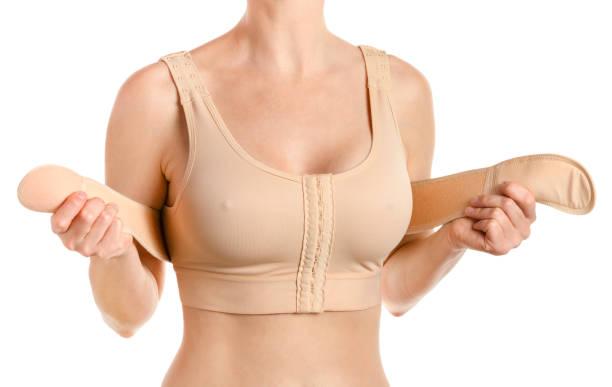
Recovery involves a gradual healing process. Patients commonly experience swelling, bruising, tenderness, and temporary changes in breast sensitivity. A supportive surgical bra may be recommended to help support the breasts during healing.
Patients should follow postoperative instructions carefully, attend scheduled follow-up appointments, and avoid strenuous exercise or heavy lifting until medically cleared. Breast shape and swelling may continue to change over several months as the tissues settle.
It is also important to maintain a relatively stable weight after surgery. Significant weight changes or another pregnancy may influence breast size and shape in the future.
Choosing the Right Time for Surgery
The decision to undergo breast reduction after pregnancy should consider breastfeeding status, breast size stability, future family plans, general health, and personal expectations. Women should avoid rushing into surgery while their bodies are still adjusting to childbirth or hormonal changes.
A qualified surgeon can assess breast anatomy, explain suitable techniques, and discuss potential risks such as infection, bleeding, scarring, asymmetry, changes in nipple sensation, and possible effects on breastfeeding.
Discuss Your Options With Royal Clinic Saudia
Breast changes after pregnancy are common, but persistent enlargement and physical discomfort may lead some women to consider surgical treatment. Breast Reduction Surgery in Riyadh can help suitable patients reduce excess breast volume and achieve more balanced proportions after pregnancy-related changes have stabilized. Women exploring this option can consult the experienced team at Royal Clinic Saudia (عيادات رويال كلينك) to discuss their concerns, understand the procedure, and receive guidance based on their individual needs and future plans.

 English
 Arabic
 French
 Spanish
 Portuguese
 Deutsch
 Turkish
 Italiano
 Russian
 Romaian
 Portuguese (Brazil)
 Greek
