


What Causes Dental Implant Infections and How Are They Treated?
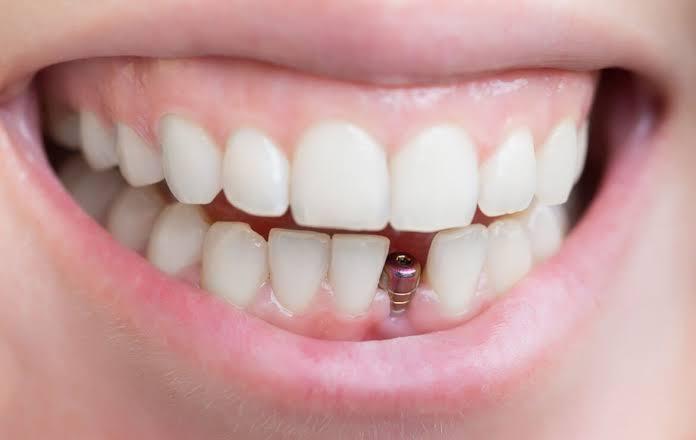
Dental implants are a reliable solution for replacing missing teeth, restoring chewing ability, and improving the appearance of a smile. However, like natural teeth, implants require proper care to remain healthy. One complication patients should understand is an infection around the implant site. People researching Dental Implant Infection in Dubai often want to know what causes this condition, which warning signs to watch for, and what treatments can protect their oral health. Understanding the causes and seeking timely professional care can help prevent minor problems from developing into serious complications.
What Is a Dental Implant Infection?
A dental implant infection occurs when harmful bacteria accumulate around the implant, affecting the surrounding gum tissue and sometimes the supporting jawbone. This condition can develop shortly after implant surgery or months and even years after the procedure.
Two common conditions associated with implant infections are peri-implant mucositis and peri-implantitis.
Peri-Implant Mucositis
Peri-implant mucositis is an early stage of inflammation affecting the soft gum tissue surrounding an implant. It commonly develops because of bacterial plaque buildup. Symptoms may include redness, swelling, tenderness, and bleeding during brushing.
The positive aspect is that this condition is generally reversible when identified early and treated appropriately.
Peri-Implantitis
Peri-implantitis is a more advanced condition that affects both the gum tissue and the supporting bone around an implant. If left untreated, it can cause bone loss, gum recession, implant instability, and eventually implant failure.
Early diagnosis is essential to protect the implant and surrounding oral structures.
What Causes Dental Implant Infections?
Several factors can contribute to bacterial growth and inflammation around dental implants. Identifying these causes helps patients take preventive steps.
Poor Oral Hygiene
Inadequate brushing and flossing allow plaque and bacteria to accumulate around the implant. Over time, this buildup can irritate the gums and trigger inflammation.
Cleaning around implants carefully every day is essential for maintaining healthy gum tissue.
Smoking and Tobacco Use
Smoking can interfere with blood circulation and slow down the body's natural healing process. Tobacco use may also increase the risk of gum inflammation and implant complications.
Patients are generally advised to avoid smoking during recovery and discuss long-term tobacco use with their dental professional.
Previous Gum Disease
Individuals with a history of periodontal disease may have a greater risk of developing infections around dental implants. Existing bacterial activity and weakened gum health can make maintaining healthy implant tissues more challenging.
Improper Implant Placement
Implant positioning, insufficient bone support, or difficulties with the fit of the restoration can sometimes create areas where bacteria collect. Proper treatment planning and accurate surgical techniques help reduce these risks.
Medical and Lifestyle Factors
Certain medical conditions, uncontrolled diabetes, and medications that affect healing may influence the body's ability to fight infection. Patients should share their medical history with their dentist before undergoing implant treatment.
What Are the Warning Signs of an Infected Dental Implant?
Recognizing symptoms early can make treatment more effective. Although symptoms vary depending on the severity of the infection, several warning signs deserve attention.
Common symptoms include:
-
Redness and swelling around the implant.
-
Bleeding during brushing or flossing.
-
Persistent discomfort or tenderness.
-
Pus or discharge around the implant.
-
Unpleasant taste or persistent bad breath.
-
Gum recession around the implant.
-
Pain while chewing.
-
Movement or looseness of the implant.
An implant that feels loose requires prompt professional assessment. Patients should not attempt to tighten or adjust it themselves.
How Are Dental Implant Infections Treated?
Treatment depends on the location, severity, and extent of the infection. A dental professional examines the implant, evaluates the surrounding gums, and may recommend dental X-rays to check for bone loss.
Professional Cleaning
For early-stage inflammation, professional cleaning may be sufficient. The dentist removes plaque and bacterial deposits from around the implant using suitable instruments designed for implant surfaces.
This helps reduce irritation and allows the gum tissue to recover.
Antibacterial Treatment
Depending on the clinical findings, the dentist may recommend an antiseptic mouth rinse or other antibacterial treatment. Antibiotics may be prescribed in selected cases when there is evidence of a bacterial infection requiring systemic treatment.
Medication should only be used under professional guidance.
Surgical Treatment
Advanced peri-implantitis may require surgical intervention. During treatment, the dental professional may access the affected area, remove infected tissue, clean the implant surface, and assess the supporting bone.
In certain cases, regenerative procedures may be considered to help restore lost bone support.
Implant Removal in Severe Cases
If an implant has become severely unstable or the surrounding bone has suffered extensive damage, removal may be necessary. After controlling the infection and allowing the area to heal, the dentist can evaluate whether another implant or alternative restoration is suitable.
How Can You Prevent Dental Implant Infections?
Prevention plays a major role in maintaining long-term implant success. A consistent oral hygiene routine and regular professional examinations can significantly reduce the risk of complications.
Consider following these practices:
-
Brush twice daily with a soft-bristled toothbrush.
-
Clean between teeth and around implants using suitable interdental brushes or floss.
-
Attend regular dental checkups and professional cleanings.
-
Avoid smoking and tobacco products.
-
Follow all post-surgical care instructions.
-
Manage medical conditions such as diabetes with appropriate healthcare support.
-
Contact your dentist if you notice swelling, bleeding, or persistent discomfort.
Why Are Regular Dental Checkups Important?
Even when an implant feels comfortable, professional monitoring remains important. Dentists can identify early signs of inflammation, evaluate gum health, and check whether the implant remains properly supported by the surrounding bone.
Routine examinations also provide an opportunity to improve cleaning techniques and address potential problems before they become more complicated.
Conclusion
Dental implant infections can develop due to poor oral hygiene, smoking, previous gum disease, improper implant positioning, and certain medical factors. While early inflammation can often be managed with professional cleaning and appropriate care, advanced infections may require medication or surgical treatment. Recognizing warning signs and seeking timely dental attention are essential for protecting implant health. With good oral hygiene, regular dental visits, and professional monitoring, patients can reduce infection risks and enjoy the functional and aesthetic benefits of dental implants for many years.

 English
 Arabic
 Spanish
 Portuguese
 Deutsch
 Turkish
 Dutch
 Italiano
 Russian
 Romaian
 Portuguese (Brazil)
 Greek
