


What Factors Should You Consider Before Commissioning Bespoke Installations?
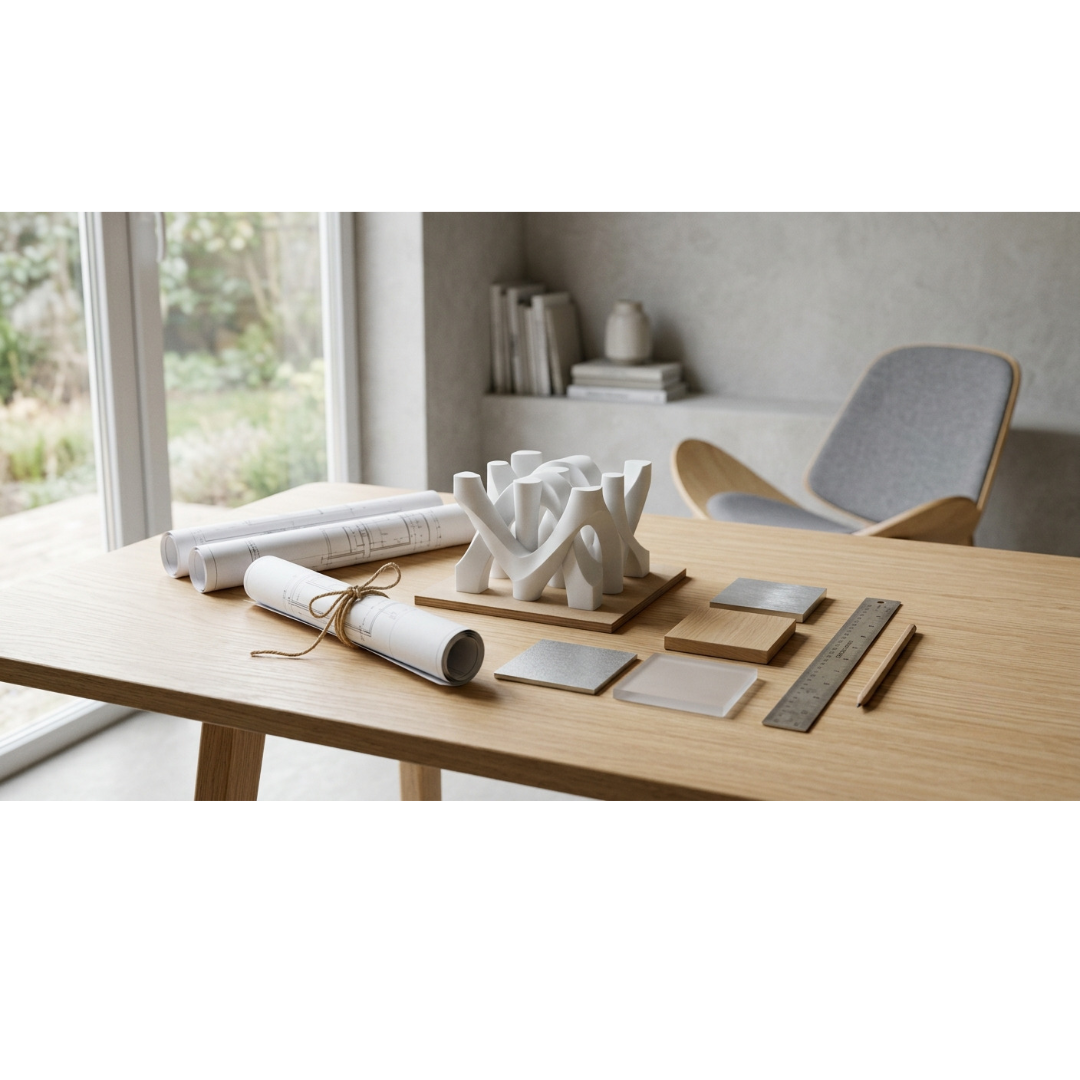
Commissioning Bespoke Installations requires more than selecting an attractive design. Businesses need to consider the purpose of the installation, available space, materials, structural requirements, budget, production time, and the experience of the design team. Each decision affects how the finished piece looks, functions, and fits into its surroundings.
Whether an organisation is planning an artistic display, a corporate installation, an exhibition feature, or a commemorative structure, the process should begin with a clear understanding of what the project needs to achieve. Proper planning also helps avoid design changes, unexpected expenses, and delays during production.
1. Define the Purpose Before Discussing the Design
The first step is to understand why the installation is being commissioned. A decorative feature for a hotel lobby will have different requirements from an installation created for a corporate headquarters or a public exhibition.
For example, a company may want an artistic installation in its reception area to represent its history, business values, or identity. An exhibition organiser may need a structure that attracts visitors and presents information about a particular subject.
Before approaching a designer, consider:
-
What message should the installation communicate?
-
Who will interact with or view it?
-
Is it primarily decorative, functional, or informational?
-
Will it remain in one location or be moved between venues?
-
Does it need to represent a particular brand or event?
These answers give the design team a practical starting point and reduce confusion during concept development.
2. Evaluate the Available Space and Site Conditions
An installation should be designed according to the location where it will be placed. A concept that looks impressive in a digital presentation may not work well in the actual space.
The design team should understand the site's dimensions, ceiling height, lighting conditions, access points, and surrounding structures.
For example, a large suspended artwork in a commercial lobby may require different structural planning from a freestanding display in an exhibition hall. The team must also consider whether the installation could obstruct walkways, emergency exits, or regular business activities.
A site visit is useful because it allows designers to take accurate measurements and identify practical limitations before production starts.
3. Select Materials Based on Appearance and Durability
Material selection affects the installation's appearance, weight, maintenance, production cost, and lifespan. The right material depends on where the piece will be displayed and how frequently it will be handled or exposed to environmental conditions.
Some commonly used materials include:
-
Metal: Suitable for architectural features, sculptures, and long lasting display structures.
-
Wood: Often selected for warm finishes, handcrafted details, and traditional design concepts.
-
Acrylic: Useful for modern displays, transparent elements, and illuminated structures.
-
Glass: Can be used for artistic features and decorative installations where careful handling is possible.
-
Resin: Allows designers to create different shapes, textures, and artistic forms.
For outdoor projects, weather exposure, corrosion, temperature changes, and surface protection need particular attention.
Material samples should be reviewed before production. This helps the client understand the actual colour, texture, finish, and weight rather than relying entirely on screen images.
4. Review the Concept and 3D Design Before Production
A design concept needs to be understood by both the client and the production team. This is why drawings and 3D visualisation are important during the planning stage.
A 3D model gives clients a better idea of the Bespoke Installations dimensions, proportions, shape, and appearance within a space. It also allows the team to discuss changes before physical manufacturing begins.
For example, a corporate installation may include a company logo, abstract forms, lighting elements, or references to important business milestones. Reviewing these details digitally helps identify problems with positioning, scale, and visibility.
Clients should request clear design drawings and confirm important details in writing before approving the final concept.
5. Check Structural Safety and Installation Requirements
A visually attractive design must also be safe to manufacture, transport, and install. This is particularly important for large, suspended, outdoor, or publicly accessible structures.
Depending on the project, technical considerations may include:
-
Weight and load distribution.
-
Wall, floor, or ceiling support.
-
Fixing methods and mounting systems.
-
Electrical connections for illuminated elements.
-
Fire safety and material suitability.
-
Access for maintenance and cleaning.
For example, a heavy installation mounted on a wall may require an assessment of the wall structure and appropriate fixing systems. Electrical components should also be planned with qualified professionals.
Businesses should discuss these requirements with the design and engineering teams before approving the final production drawings.
6. Understand the Budget and Production Timeline
The cost of a custom project depends on several factors, including design complexity, material selection, manufacturing methods, labour, transportation, and installation work.
A simple decorative structure may require fewer production stages than a large installation with custom metalwork, lighting, and multiple components.
Ask the design team for a cost breakdown covering:
-
Initial concept development and design fees.
-
Material sourcing and manufacturing.
-
Prototyping and sample approval.
-
Transportation and packaging.
-
On site assembly and installation.
-
Maintenance requirements, if applicable.
The timeline should also include design approval, material procurement, manufacturing, quality checks, and final installation.
For projects involving exhibitions or corporate events, the completion date should be agreed upon well in advance.
7. Assess the Design Company's Experience and Production Process
The company you commission should have a clear understanding of design development, material handling, manufacturing, and project coordination.
Ask to see previous work that is relevant to your project. Photographs are useful, but it is also worth understanding how the company managed the design, production, and delivery stages.
A structured process generally includes an initial consultation, a written project brief, design concepts, 3D visualisation, material selection, prototype approval where required, production, quality checks, and final handover.
For custom awards and recognition pieces, ABD Xclusiv follows a design led process involving concept development, 3D visualisation, material selection, physical prototyping, and delivery coordination. This provides a useful reference for businesses looking for a clearly defined creative production process.
8. Plan for Maintenance and Long Term Use
An installation may remain in place for several years, so maintenance should be considered before the project is completed.
Different materials require different cleaning methods and levels of care. Metal surfaces may need protection against corrosion, while glass and acrylic components require suitable cleaning products to avoid scratches.
Businesses should ask about replacement parts, repair options, cleaning instructions, and access to electrical components where relevant.
For permanent installations, having maintenance information available can prevent avoidable damage and repair expenses later.
Conclusion
Commissioning a custom installation involves several decisions that affect the final result. The purpose, location, materials, technical requirements, production budget, and experience of the design team should all be considered before work begins.
Bespoke Installations are most successful when creative ideas are supported by practical planning and clear communication between the client, designer, and production team.
Before signing off on a project, review the drawings, confirm the material specifications, agree on the budget, and understand the installation process. These steps help businesses make informed decisions and receive a finished piece that suits its intended location and purpose.
Frequently Asked Questions
Q.1 What is the first step when commissioning a custom installation?
Ans. Start by defining the purpose, intended location, audience, and expected outcome. These details help the design team prepare a suitable project brief.
Q.2 How do I choose materials for a custom installation?
Ans. Consider the location, expected lifespan, appearance, weight, maintenance needs, and project budget before selecting materials.
Q.3 Why is 3D visualisation important before manufacturing?
Ans. It allows clients to review dimensions, proportions, positioning, and design details before physical production begins.
Q.4 How long does it take to complete a custom installation?
Ans. The timeline depends on design complexity, material availability, manufacturing requirements, and site conditions. Large projects generally need more planning time.
Q.5 Should I request a prototype before approving production?
Ans. Yes, when the project involves complex shapes, specialised materials, or detailed finishes. A prototype allows the client to check the physical design before full production.

 English
 Arabic
 Spanish
 Portuguese
 Deutsch
 Turkish
 Dutch
 Italiano
 Russian
 Romaian
 Portuguese (Brazil)
 Greek
