


Exploring Flexible Film Applications in Everyday Stationery Products
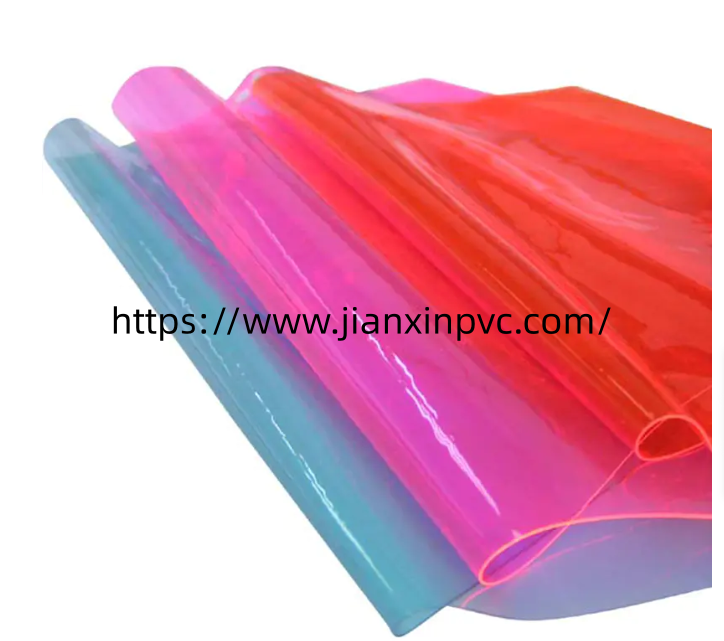
The stationery industry serves a wide range of activities, from classroom learning and professional documentation to personal organization and creative hobbies. Although product shapes and functions receive considerable attention, the choice of surface material can strongly influence how stationery is manufactured and experienced. In this context, PVC Film for Stationery provides manufacturers with opportunities to develop products featuring distinctive textures, attractive finishes, and adaptable material structures. Its role extends beyond decoration, as material selection also affects processing methods, product handling, and the relationship between appearance and everyday convenience.
One reason flexible PVC is considered for stationery applications is the variety of finishes that can be achieved during manufacturing. The material can be developed with different surface appearances, including transparent, colored, glossy, matte, and textured effects. These characteristics allow manufacturers to create different product identities without changing the basic purpose of the stationery item. A transparent cover may suit document storage, while a textured decorative surface may be more appropriate for planners, albums, or personal organizers.
Material formulation is closely connected to these possibilities. The selection and combination of raw materials influence flexibility, surface feel, clarity, and processing behavior. Manufacturers need to pay attention to the relationship between the film's characteristics and the intended product structure. Stationery items are often assembled with paper, cardboard, fabrics, metal accessories, and other plastic components. A suitable film should work harmoniously with these materials so that the finished product maintains a consistent appearance and practical construction.
For purchasing professionals, the first step should be identifying the intended application and target customer. Products designed for students may require colorful surfaces, attractive patterns, and convenient handling. Business stationery often follows a different direction, with understated finishes and coordinated colors that create a professional impression. Products intended for artists and hobby users may benefit from creative textures and decorative effects. Understanding these differences helps buyers communicate more clearly with suppliers and avoid selecting materials based only on general appearance.
Supplier evaluation should include more than reviewing product samples or comparing quotations. Buyers should examine the consistency of material quality, customization possibilities, production communication, and compatibility with their existing manufacturing processes. Physical samples are particularly valuable when assessing how a film responds to folding, cutting, printing, and bonding. It is also useful to discuss the intended product structure with the supplier so that material recommendations reflect actual production requirements rather than assumptions.
The manufacturing process determines how effectively the selected film can be incorporated into a finished stationery item. Depending on the product design, film may undergo printing, lamination, cutting, folding, heat sealing, or other finishing operations. Each process requires appropriate material characteristics. For example, a document organizer with multiple pockets may involve different construction considerations from a notebook cover or a flexible pencil pouch. Understanding these differences during product development can help manufacturers organize their workflows and maintain consistent finishing quality.
Printing technology creates further opportunities for differentiation. Stationery manufacturers frequently work with illustrations, patterns, logos, educational themes, and decorative graphics. The relationship between the film surface and the selected printing method influences the final visual result. A suitable surface can help maintain clear decorative details and support coordinated designs across different stationery collections. Manufacturers may also explore embossing and other finishing techniques to introduce tactile elements that make products more recognizable.
Daily usability is equally important because stationery products are handled repeatedly throughout their service life. Notebook covers are opened and closed, folders are moved between workspaces, and pencil cases are carried inside backpacks or handbags. Materials should therefore be considered in relation to these everyday activities. Flexibility can be useful for products that need to bend or adapt to different contents, while a more structured construction may be preferable for items intended to maintain a particular shape. Edge finishing, closures, and assembly quality also contribute to the overall experience.
Organization is another area where material selection can influence product usefulness. Transparent folders allow users to identify documents quickly, while colored covers help distinguish subjects, projects, or personal records. Decorative surfaces can make planners and notebooks easier to recognize among similar items. These features may appear simple, but they affect how consumers interact with stationery during studying, working, and personal planning. Manufacturers that understand these habits can develop products with a closer connection to actual user needs.
Design preferences in stationery continue to expand as consumers look for products that reflect their individual interests and working styles. Minimalist surfaces remain relevant for professional environments, while playful patterns, translucent finishes, and creative color combinations appeal to other customer groups. Textured film can introduce a different tactile experience, and coordinated decorative designs can help manufacturers create complete product collections. This flexibility gives stationery producers more opportunities to respond to different retail channels and market preferences.
Zhejiang Jianxin Plastic Co., Ltd. specializes in PVC calendered plastic film manufacturing and provides customized material solutions for different applications. Its experience in PVC film production offers stationery manufacturers an opportunity to discuss surface finishes, color preferences, material characteristics, and processing requirements when developing new products. Whether businesses are planning document organizers, notebook covers, protective sleeves, or other stationery accessories, understanding the relationship between material selection and product design can help guide their development process. More information about the company's products and services is available at https://www.jianxinpvc.com/.

 English
 Arabic
 French
 Spanish
 Portuguese
 Deutsch
 Turkish
 Dutch
 Italiano
 Russian
 Portuguese (Brazil)
 Greek
