


What Makes a Luxury Watch Design Distinctive? Materials, Craftsmanship and Engineering Explained
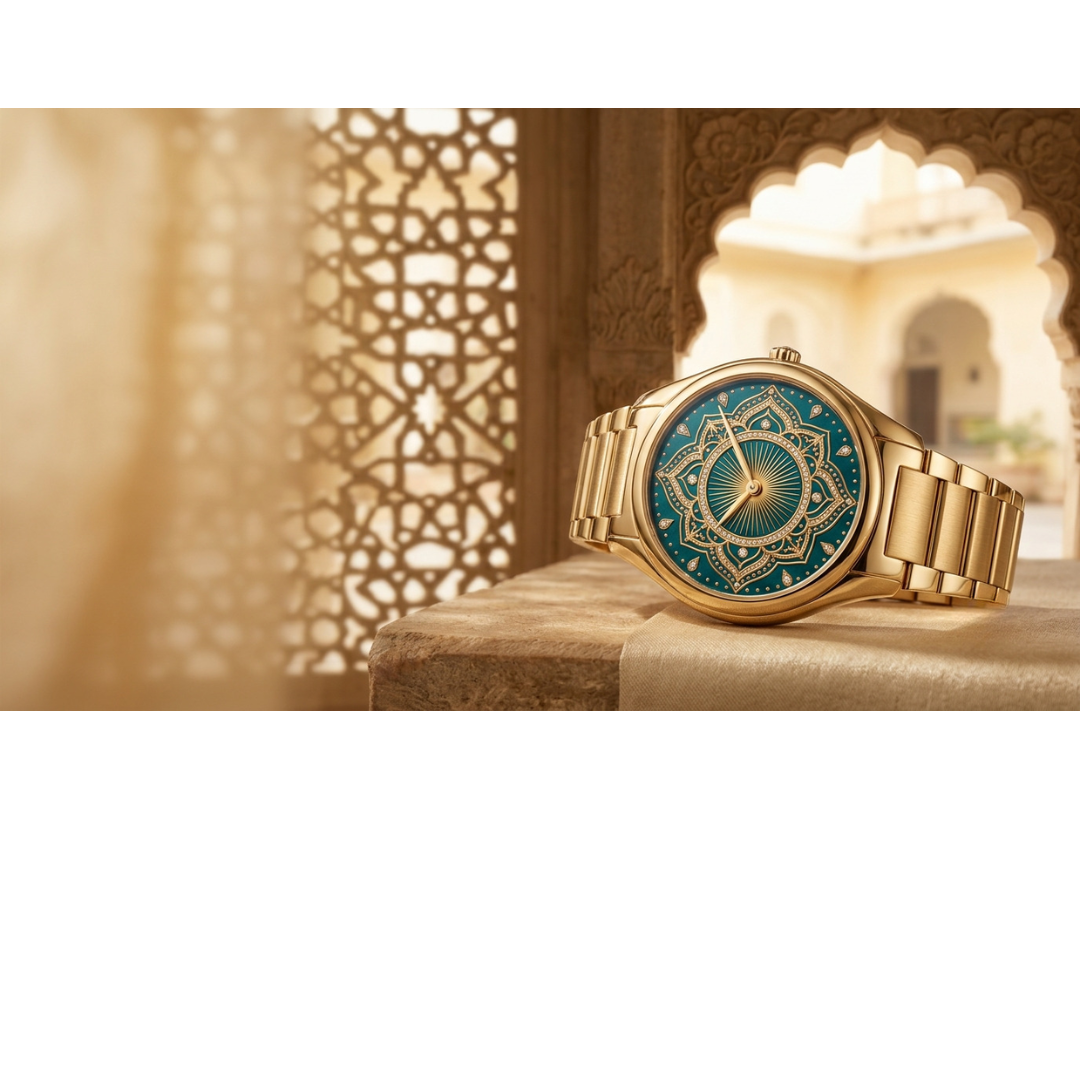
A distinctive luxury watch is defined by more than its appearance or price. Its identity comes from the relationship between carefully selected materials, precise engineering, skilled craftsmanship, comfortable proportions, and thoughtful detailing. Every element, from the shape of the case to the movement inside, contributes to how the watch looks, feels, and performs over time.
Luxury Watch Design requires designers to balance visual character with technical requirements. A watch may have an attractive dial, but its overall quality also depends on the accuracy of its movement, the durability of its materials, the comfort of its strap, and the precision of its assembly.
For watch manufacturers and brands, creating a distinctive timepiece means developing a product with a recognisable identity while maintaining the technical standards expected from fine watchmaking.
1. Material Selection Defines the Watch's Character
Materials have a direct influence on the appearance, weight, durability, and everyday comfort of a watch. They also determine how different components interact during manufacturing and regular use.
Luxury watches commonly use materials such as:
-
Stainless steel: Known for its strength, corrosion resistance, and suitability for different surface finishes.
-
Titanium: Offers a relatively lightweight construction and good corrosion resistance.
-
Gold: Used for its distinctive appearance, material value, and traditional association with fine watchmaking.
-
Ceramic: Provides hardness, scratch resistance, and a consistent surface finish.
-
Sapphire crystal: Commonly used for watch glass because of its high resistance to scratching.
-
Mother of pearl: Adds natural variation and visual depth to selected watch dials.
Material selection should match the intended product identity. A sports inspired watch may require lightweight construction and strong resistance to everyday wear, while a formal timepiece may place greater emphasis on refined surfaces and visual detailing.
The relationship between materials is equally important. The case, dial, hands, bracelet, and crown must work together in terms of colour, texture, proportion, and finish.
2. Craftsmanship Is Visible in the Smallest Details
Craftsmanship plays an important role in distinguishing carefully developed timepieces from ordinary mass market products. It involves the accuracy of individual components, the quality of surface finishing, and the attention given to assembly.
Several details contribute to the final appearance:
Dial finishing: A dial may feature sunburst brushing, enamel detailing, applied markers, or textured patterns. These treatments affect how light interacts with the surface.
Case finishing: Polished and brushed surfaces can be combined to create contrast. The transitions between these finishes require careful execution.
Hands and markers: Their proportions, alignment, and readability influence the overall balance of the watch face.
Bracelet construction: Link geometry, edge finishing, clasp design, and adjustment mechanisms affect both appearance and comfort.
For manufacturers, maintaining consistent finishing across multiple production units is an important quality consideration. Small differences in alignment, surface treatment, or assembly can affect the final product.
3. Engineering Determines Accuracy and Performance
The internal mechanism is one of the most important parts of a luxury timepiece. While the exterior establishes its visual identity, the movement determines how the watch measures and displays time.
Mechanical watches generally use a system of gears, springs, and other small components to regulate timekeeping. Automatic movements use the wearer's wrist movement to wind the mainspring, while manual movements require regular winding by the user.
Quartz watches operate differently, using an electronic oscillator regulated by a quartz crystal.
Important engineering considerations include:
-
Movement dimensions and component arrangement.
-
Timekeeping accuracy and regulation.
-
Power reserve requirements.
-
Protection against dust and moisture.
-
Shock resistance and component stability.
-
Ease of servicing and maintenance.
Water resistance also requires careful engineering. The case construction, seals, crown, and case back must work together to limit water entry under specified conditions.
These technical decisions influence the watch's thickness, weight, internal layout, and overall construction.
4. Case Shape and Dial Proportions Create Visual Identity
The case is often the first feature people notice when looking at a watch. Its shape, thickness, diameter, and finishing contribute significantly to the product's character.
Round cases remain widely used, but rectangular, square, tonneau, and cushion shaped cases offer different visual identities.
Dial proportions are equally important. Designers must consider the relationship between the hands, hour markers, date window, subdials, and available display space.
A crowded dial can make information difficult to read, while an overly empty arrangement may not communicate the intended product character.
For a balanced design, designers assess:
-
Case diameter in relation to wrist size.
-
Dial visibility and contrast.
-
Crown position and accessibility.
-
Hand length and marker alignment.
-
Lug shape and strap integration.
-
Overall thickness and wearing comfort.
These decisions help create a timepiece that looks balanced when viewed from different angles and remains comfortable during regular use.
5. The Role of Indian Design Inspiration in Contemporary Watchmaking
Indian cultural references can provide meaningful design direction for watch collections. Architecture, jewellery, traditional motifs, and regional craftsmanship offer visual elements that can be translated into contemporary timepieces.
A notable example is the Titan Raga collection designed by Studio ABD. Its design direction moved beyond simply making conventional watches smaller for women. Instead, the collection used sculptural forms, curved cases, extended lugs, and jewellery inspired detailing to create watches around different wrist sizes and wearing preferences.
Another example is the Nebula Titan collection, which draws inspiration from the architectural character of Rambagh Palace. Its visual language uses references to palace structures, fountains, geometric patterns, and royal heritage.
The collection demonstrates how cultural references can influence case forms, surface treatments, and decorative details without relying only on traditional ornamentation.
These projects show how product design can connect cultural identity with contemporary consumer expectations.
6. Comfort and Wearability Are Essential Design Requirements
A watch may have an impressive appearance, but it must also feel comfortable during extended use. Wearability depends on several interconnected design decisions.
Case weight, strap flexibility, lug geometry, clasp positioning, and crown placement all affect the wearing experience.
For example, a heavy watch with poorly positioned lugs may create discomfort, particularly for people with smaller wrists. Similarly, a rigid bracelet or difficult adjustment mechanism can affect daily usability.
Designers should assess these factors during the development stage through physical prototypes and wrist fit evaluations.
Different wrist sizes and wearing habits should be considered before finalising case dimensions and strap construction.
7. How Industrial Design Studios Contribute to Watch Development
Creating a distinctive timepiece requires coordination between creative direction, material knowledge, product engineering, and manufacturing expertise.
An industrial design studio can help brands establish the product concept, study consumer preferences, develop case and dial forms, select materials, and assess production feasibility.
Studio ABD brings product design, cultural understanding, material thinking, and technical development together through its design practice. Its Titan Raga and Nebula Titan projects demonstrate how research and concept development can translate into distinctive watch collections.
For businesses developing new watch collections, working with an experienced design team can help connect brand identity with practical product requirements.
The development process may involve:
-
Market and consumer research.
-
Concept sketches and form development.
-
Case and dial detailing.
-
Colour, Material, and Finish (CMF) planning.
-
Prototype development.
-
Engineering coordination.
-
Manufacturing feasibility assessment.
Early collaboration between designers and technical teams helps reduce differences between the intended design and the final manufactured product.
Conclusion
A distinctive luxury timepiece is the result of several carefully connected decisions. Material selection determines its physical character, craftsmanship defines the quality of its detailing, and engineering supports its accuracy and performance.
Case proportions, dial readability, comfort, and manufacturing consistency also influence how the final product is perceived.
For watch brands, the objective should be to create a timepiece that has a recognisable identity while meeting practical expectations. Thoughtful Luxury Watch Design brings these requirements together, creating products that reflect the brand's values through their form, construction, and everyday experience.
Frequently Asked Questions
Q.1 What makes a luxury watch different from a regular watch?
Ans. Luxury watches generally place greater emphasis on material quality, movement engineering, finishing, component precision, and product detailing. Their design also reflects a distinct brand identity.
Q.2 Which materials are commonly used in luxury watch manufacturing?
Ans. Stainless steel, titanium, gold, ceramic, sapphire crystal, and mother of pearl are commonly used. The selection depends on the watch's intended appearance, durability, and construction.
Q.3 Why is craftsmanship important in watchmaking?
Ans. Craftsmanship influences the quality of dial finishing, case surfaces, component alignment, bracelet construction, and assembly. These details contribute to the watch's overall appearance and quality.
Q.4 What is the difference between automatic and quartz watches?
Ans. Automatic watches use mechanical movements powered by a mainspring, which is wound through wrist movement. Quartz watches use an electronic circuit and quartz crystal to regulate timekeeping.
Q.5 How does industrial design influence luxury watches?
Ans. Industrial design influences case proportions, dial layout, material selection, ergonomics, visual identity, and manufacturing feasibility. It connects the appearance of a watch with its practical requirements.
Q.6 What should watch brands consider before developing a new collection?
Ans. Brands should assess their target audience, product positioning, material requirements, movement selection, case dimensions, manufacturing capabilities, and overall design direction before beginning development.

 English
 Arabic
 Spanish
 Portuguese
 Deutsch
 Turkish
 Dutch
 Italiano
 Russian
 Romaian
 Portuguese (Brazil)
 Greek
