


Dentist Near Me: Understanding Tooth Extraction and How to Choose the Right Dental Professional
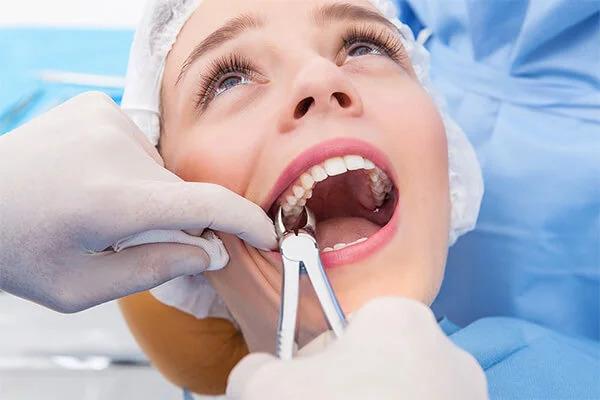
Maintaining healthy teeth is essential for comfortable eating, clear speech, and a confident smile. However, cavities, gum disease, dental infections, and accidental injuries can sometimes cause damage that cannot be repaired with routine treatments. In such situations, tooth extraction may become necessary to protect overall oral health. Whether you are experiencing persistent tooth pain or dealing with a severely damaged tooth, searching for a reliable dentist near me can help you find professional guidance and appropriate treatment. Understanding when extraction is recommended, what happens during the procedure, and how to find the right tooth extraction near me service can make the entire experience less stressful.
When Is Tooth Extraction Necessary?
Dentists generally try to preserve natural teeth whenever possible. Treatments such as fillings, crowns, and root canal therapy can often repair damaged teeth and restore their functionality. However, extraction may be recommended when a tooth is too damaged or infected to be saved.
Here are some common situations where tooth removal may be necessary.
1. Severe Tooth Decay
Advanced cavities can destroy a significant portion of a tooth, making it difficult to restore with conventional treatments. If the decay reaches the inner structures and causes extensive damage, extraction may be considered to prevent further complications.
2. Advanced Gum Disease
Periodontal disease affects the tissues and bone supporting your teeth. When the condition progresses, teeth may become loose because of significant bone and tissue damage. In certain cases, removing severely affected teeth may be necessary to protect surrounding oral structures.
3. Impacted Wisdom Teeth
Wisdom teeth sometimes do not have enough space to emerge properly. They may remain trapped beneath the gums or grow at an incorrect angle, causing pain, swelling, infections, or pressure on neighbouring teeth. A dental examination can determine whether removal is necessary.
4. Broken or Damaged Teeth
Accidents, sports injuries, and biting hard objects can cause teeth to crack or break. While many damaged teeth can be repaired with crowns or other restorative procedures, extraction may be recommended when the damage extends too far below the gumline or affects the tooth beyond repair.
5. Dental Crowding
In selected orthodontic cases, removing certain teeth may create sufficient space to improve alignment. This decision requires careful planning and an evaluation by a qualified dental professional.
How to Find a Reliable Dentist Near Me
Choosing the right dental professional is important, particularly when you are experiencing discomfort or need a surgical procedure.
When searching online for a dentist near me, consider the following factors before scheduling an appointment.
Professional Qualifications: Look for a properly qualified dentist with experience in general dentistry and tooth extraction procedures.
Treatment Options: Choose a clinic that evaluates whether the natural tooth can be preserved before recommending extraction.
Modern Diagnostic Equipment: Digital X-rays and other diagnostic tools help dentists assess tooth roots, surrounding bone, and potential complications.
Patient Comfort: A professional dental team should explain the procedure, discuss pain management, and address your concerns.
Transparent Pricing: Ask about consultation charges, extraction fees, anaesthesia, and any additional treatment costs before proceeding.
Reading genuine patient reviews and checking the clinic's available services can also help you make an informed choice.
What Happens During a Tooth Extraction Procedure?
Many patients feel nervous before having a tooth removed because they are unsure what to expect. However, modern dental techniques and appropriate anaesthesia make the procedure manageable for most patients.
If you are searching for tooth extraction near me, understanding the treatment process can help you feel more prepared.
Step 1: Initial Dental Examination
The dentist examines the affected tooth, surrounding gums, and overall oral health. X-rays may be taken to understand the tooth's position, root structure, and proximity to nearby nerves or other structures.
Step 2: Local Anaesthesia
Before removing the tooth, the dentist generally administers local anaesthesia to numb the treatment area. This helps minimise pain during the procedure, although you may feel pressure or movement.
Step 3: Tooth Removal
For a simple extraction, the dentist loosens the tooth using specialised instruments before carefully removing it.
If the tooth is impacted, broken below the gumline, or difficult to access, a surgical extraction may be required. This can involve making a small incision in the gum and sometimes removing a limited amount of surrounding bone.
Step 4: Post-Extraction Instructions
After removal, the dentist provides instructions for controlling bleeding, managing discomfort, and protecting the extraction site during healing.
Following these recommendations is important for preventing complications and supporting recovery.
Simple Tips for Faster Recovery After Tooth Extraction
Proper aftercare helps protect the extraction site and allows the surrounding tissues to heal.
Here are some useful recommendations:
-
Bite gently on the gauze provided by your dentist to help control bleeding.
-
Avoid vigorous rinsing, spitting, and using straws during the first 24 hours.
-
Choose soft foods such as yoghurt, mashed potatoes, and soups that are not too hot.
-
Avoid smoking and alcohol during the recommended healing period.
-
Brush your other teeth carefully while avoiding direct disturbance of the extraction site.
-
Follow your dentist's instructions regarding medication and oral hygiene.
-
Attend follow-up appointments if recommended.
A blood clot normally forms in the extraction socket and plays an important role in healing. Dislodging this clot can lead to a painful condition called dry socket.
Contact your dentist if you experience persistent bleeding, worsening pain, fever, increasing swelling, or other unusual symptoms.
What Are Your Options After Tooth Extraction?
Removing a tooth may solve an immediate dental problem, but leaving a permanent gap can sometimes affect chewing ability and neighbouring teeth.
Depending on your oral health and individual requirements, your dentist may discuss different replacement options.
Dental Implants: Implants use a biocompatible fixture placed in the jawbone to support a customised replacement tooth. They provide a stable and natural-looking restoration.
Dental Bridges: A bridge replaces a missing tooth by using support from neighbouring teeth or implants, depending on the design.
Removable Dentures: Partial dentures can replace one or several missing teeth and can be removed for cleaning.
Not every extraction requires immediate tooth replacement. Your dentist can explain the advantages, limitations, timing, and costs of each option.
How to Prevent Future Tooth Extractions
Although some extractions are unavoidable, preventive dental care can reduce the risk of severe tooth damage.
-
Brush twice daily using fluoride toothpaste.
-
Floss regularly to remove plaque between teeth.
-
Limit sugary foods and beverages.
-
Avoid chewing ice and extremely hard objects.
-
Schedule regular dental examinations.
-
Treat cavities and gum problems before they progress.
-
Wear a mouthguard during contact sports.
Early treatment often helps preserve natural teeth and reduces the likelihood of complex dental procedures.
Conclusion
Tooth extraction may sometimes be necessary to protect your oral health, especially when dealing with advanced decay, impacted wisdom teeth, severe infections, or irreparable dental damage. Finding an experienced dentist near me allows you to receive a proper examination and understand whether extraction is the most suitable option. If you are looking for professional tooth extraction near me services, prioritise qualified dental professionals, modern diagnostic facilities, transparent pricing, and personalised aftercare. With timely treatment and consistent oral hygiene, you can protect your remaining teeth, support healthy healing, and maintain a confident smile for years to come.

 English
 Arabic
 French
 Spanish
 Portuguese
 Deutsch
 Dutch
 Italiano
 Russian
 Romaian
 Portuguese (Brazil)
 Greek
