


Improving Suspension Service Workflows with Specialized Mechanical Tools
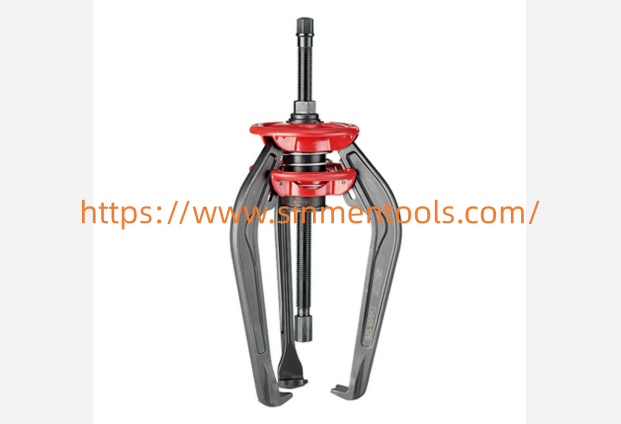
Suspension maintenance often requires technicians to remove or install components that contain tightly wound springs. These components store mechanical energy, so handling them calls for a controlled process and equipment designed for the task. During this work, a Coil Spring Compressor provides a mechanical way to hold and compress a spring while technicians prepare the surrounding suspension assembly for servicing. Its construction, gripping arrangement, and adjustment method influence how conveniently it can be positioned and operated in a workshop.
Material quality is a major consideration because compression tools experience repeated mechanical stress during normal use. Steel is commonly used for load-bearing sections, threaded components, and gripping parts because it can provide the structural support required for demanding workshop applications. Different components may require different material properties. A threaded screw needs a suitable surface and consistent thread formation, while hooks and claws need a stable structure that can maintain their intended shape during operation.
The manufacturing process also affects the finished tool. Forging can produce solid working components, while machining helps refine contact areas, threads, and connecting features. Heat treatment may be used to improve the properties of selected metal parts. Surface finishing, including protective coatings, can help limit corrosion and make cleaning more convenient. These processes should work together to create a tool whose individual components fit properly and function as an integrated assembly.
Choosing suitable equipment begins with understanding the suspension systems and repair procedures commonly handled by a workshop. Different spring arrangements may require different gripping profiles and access methods. Technicians should consider whether the tool can be positioned around the spring without interfering with nearby components. They should also review how the gripping elements engage with the coils and whether the design is appropriate for the intended application.
The available tool structure is another purchasing factor. Two-claw designs may be suitable for particular access conditions, while other arrangements use additional contact points or specially shaped hooks. Some products include detachable safety hooks that provide an additional means of retaining the working components. Buyers should compare these design differences with their workshop requirements instead of assuming that one style will suit every suspension assembly.
Supplier communication is valuable when selecting specialized equipment. Buyers can request information about intended applications, material choices, manufacturing processes, available designs, and operating instructions. Consistent product finishing and properly assembled components are also worth examining. For distributors and tool brands, packaging and product presentation may matter alongside working performance, especially when products are supplied as part of a broader automotive tool collection.
The mechanical function of a spring compression tool depends on maintaining a suitable relationship between its gripping components and adjustment mechanism. In screw-operated designs, threaded movement allows the user to adjust the position of the gripping sections. The hooks or claws engage with the spring, while the central mechanism provides controlled mechanical movement. The arrangement of these parts affects how the tool is positioned and how evenly it interacts with the spring.
Different gripping profiles serve different practical needs. Curved claws are intended to engage with the shape of a coil, while flatter contact designs may suit other working arrangements. The shape and positioning of the gripping sections should help maintain secure engagement throughout the service procedure. If the tool is incorrectly positioned or unsuitable for the spring, movement may become unstable. Technicians should follow the vehicle manufacturer's service guidance and the tool manufacturer's instructions, checking the engagement carefully before proceeding.
Manufacturing precision is important throughout this process. Thread alignment, claw geometry, connection quality, and component consistency all influence how the tool operates. A poorly finished thread can make adjustment difficult, while irregular gripping surfaces may affect contact with the spring. Inspection during production helps manufacturers identify potential issues in individual components and assembled products. Practical engineering therefore involves coordinating material selection, machining, assembly, and quality checks.
Workshop usability extends beyond the compression process itself. Technicians need to position equipment around suspension components, work with limited access, and keep nearby parts organized. Clearly shaped gripping sections can make the intended contact areas easier to identify. Convenient adjustment arrangements can also reduce unnecessary handling during preparation. At the same time, users should avoid rushing the process or relying on improvised extensions that may affect the tool's intended operation.
After use, cleaning and inspection help maintain equipment condition. Grease, dust, and workshop residue should be removed from working surfaces, while threads, hooks, and connecting sections should be checked for visible wear or damage. Organized storage helps prevent components from becoming misplaced or damaged by other workshop equipment. A dedicated case or suitable storage arrangement can also make it easier to keep related parts together.
Appearance contributes to product recognition and reflects attention to manufacturing details. A consistent surface finish, clearly formed claws, and an orderly component arrangement give a tool a professional appearance. Protective coatings can support maintenance, while practical construction makes the product easier to inspect. The visual design should remain connected to its mechanical purpose, helping users understand the working structure without adding unnecessary decorative features.
Taizhou Xinming Technology Co., Ltd. offers several spring compression tool designs, including two-claw, flat-claw, and four-claw arrangements, as well as products featuring additional safety hooks. These options reflect different approaches to gripping and positioning springs in automotive suspension work. Workshops, distributors, and tool buyers can review the available designs and discuss application requirements with the company. Further product information and details about its automotive repair tool range are available at https://www.sinmentools.com/.

 English
 Arabic
 French
 Spanish
 Portuguese
 Deutsch
 Turkish
 Dutch
 Italiano
 Romaian
 Portuguese (Brazil)
 Greek
