


Tigers, Birds and Golden Light: Luxury Train Journeys for Wildlife and Photography Lovers
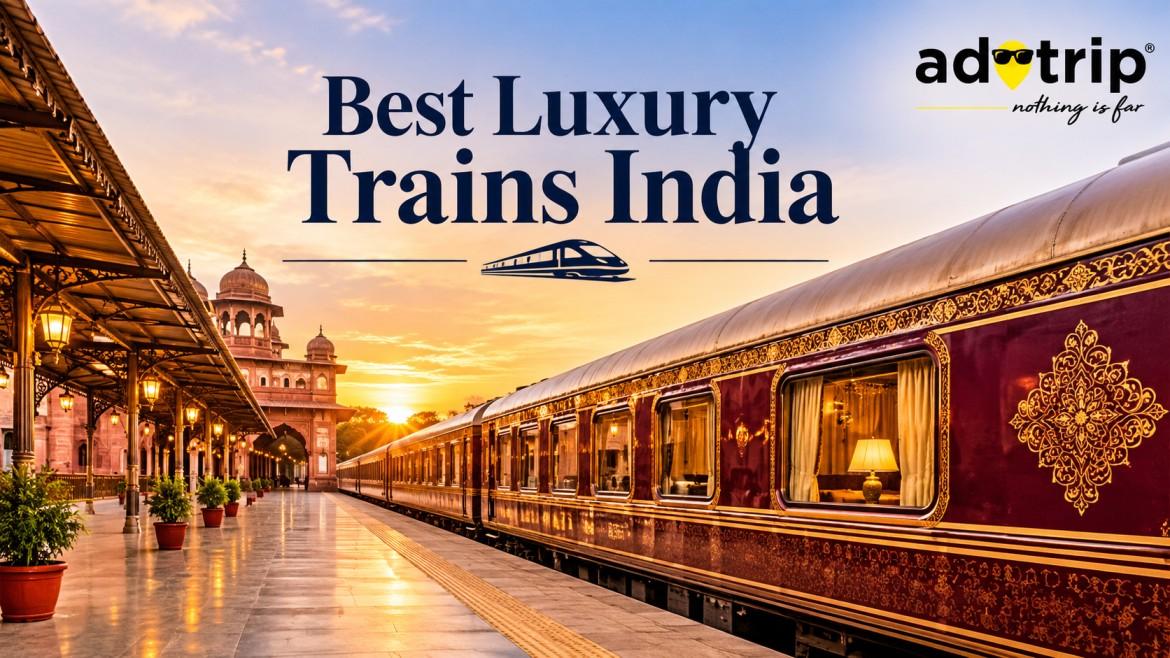
There is something special about watching a tiger step out of the grass at dawn, or catching the first light of the day falling over a desert fort. For wildlife lovers and photographers, India offers moments like these in every corner. The only challenge is getting to them comfortably, especially when national parks, heritage cities and scenic landscapes are spread hundreds of kilometres apart.
This is where India's luxury trains shine. They combine royal comfort with carefully planned stops at national parks, bird sanctuaries and picture-perfect landmarks. You spend your days on safaris and photo walks, and your nights resting in a cosy cabin while the train carries you to the next frame-worthy destination. Here is how to make the most of a luxury train journey if wildlife and photography are your passions.
Why a Luxury Train Works So Well for Wildlife Trips
Wildlife travel usually means very early mornings, dusty jeep rides and long drives between parks. A luxury train takes much of that stress away. You unpack once, keep your camera gear safely in your cabin and wake up close to the action.
Most luxury train itineraries in North India include a stop at Sawai Madhopur, the gateway to Ranthambore National Park. Guests usually head out on a morning safari in search of tigers, leopards, sloth bears and deer, and return to the train for a hearty breakfast and a well-earned rest. It is one of the easiest ways to fit a tiger safari into a wider holiday.
The train itself also becomes a moving hide of sorts. Large windows frame changing landscapes, from the Aravalli hills to golden desert plains, giving photographers plenty to shoot even between stops.
The Best Luxury Train Routes for Wildlife and Photography
Rajasthan Routes: Tigers, Forts and Desert Colours
The Palace on Wheels and the Maharajas' Express both cover Rajasthan on most of their itineraries, and they are a dream for photographers. Ranthambore offers the chance to spot tigers among ancient ruins, while Bharatpur is home to Keoladeo National Park, one of India's most famous bird sanctuaries and a winter haven for migratory birds.
Beyond wildlife, the state is a visual feast. Think of the blue rooftops of Jodhpur, the honey-coloured walls of Jaisalmer, the lakes of Udaipur at sunset and the busy bazaars of Jaipur full of spices, textiles and faces full of character. With its spacious suites, large windows and well-planned safari stops, the Maharajas' Express is often seen as the best luxury train India has for travellers who want wildlife and royal heritage in the same trip.
South India: Forests, Elephants and Temple Towns
The Golden Chariot explores Karnataka and nearby regions, and its itineraries can include visits to forest areas such as Kabini or Bandipur, known for elephants, leopards, gaurs and a rich variety of birds. These lush green forests offer a very different mood from Rajasthan's dry landscapes, and are especially rewarding for anyone who loves photographing wildlife in soft, filtered light.
Add the ruins of Hampi and the carved temples of Belur and Halebidu, and you get a route that balances nature photography with architecture and culture.
Central and Western India: Caves, Coasts and Countryside
The Deccan Odyssey travels through Maharashtra and beyond, and while it is better known for heritage sites like Ajanta and Ellora, its routes also pass through scenic countryside, coastal stretches and hill landscapes. For photographers, the rock-cut caves, colonial architecture and village life along the way offer endless subjects.
Photography Tips for Shooting On and Off the Train
- Shoot from the window wisely: Use a fast shutter speed to freeze moving scenes, and place your lens close to the glass to cut down reflections.
- Use golden hour: Many luxury trains reach new cities early in the morning. Keep your camera ready for sunrise views over fields, forts and rivers.
- Carry the right lenses: A telephoto lens of 100–400mm or more works well for safaris, while a wide-angle lens is ideal for forts, palaces and train interiors.
- Protect your gear: Safari jeeps can get very dusty. A rain cover or dust bag, lens cloths and a small blower will save you a lot of trouble.
- Bring a bean bag: It gives you a stable rest on the jeep's side for sharper wildlife shots.
- Pack extra batteries and cards: Charging points on safaris are non-existent, and you will shoot more than you expect.
- Respect the rules: Follow park guidelines, stay quiet and never ask drivers to get too close to animals. Some monuments also have restrictions on tripods or drone use.
Making the Most of Your Safari Stops
Safari time on a train itinerary is limited, so a little planning helps a lot. Ask in advance whether a jeep or a larger canter vehicle will be used, as a jeep with fewer guests is usually better for photography. Request a seat on the side or at the back where you can move your lens freely. And remember that sightings are never guaranteed, so enjoy the forest itself, from the birds and deer to the old trees and lakes.
If wildlife is your main focus, it is worth adding a few extra safari days after the train journey. Many photographers spend two or three nights at a lodge near Ranthambore or Kabini to increase their chances of great sightings.
When to Go
The luxury train season usually runs from October to March, which also happens to be a lovely time for wildlife and photography. Winter brings clear skies, pleasant temperatures and migratory birds in places like Bharatpur. For tiger sightings, the later months of the season, when the forest thins out and animals visit waterholes more often, can be especially rewarding. Many travellers plan these combined trips with Adotrip, adding safari lodge stays to a luxury train itinerary in one go.
Planning Your Wildlife and Photography Rail Journey
Since luxury train departures are limited and safari permits in popular parks can sell out quickly, early planning makes a big difference. Decide whether tigers, birds or landscapes matter most to you, and choose your route accordingly. Platforms like Adotrip make it easy to compare luxury train journeys, book safari lodges and arrange private transfers in one place, so you can focus on getting the perfect shot. It is also a good idea to check the train's luggage guidelines in advance, especially if you are carrying heavy camera bags and long lenses.
A luxury train journey gives wildlife lovers and photographers the best of both worlds: the thrill of the jungle by day and the comfort of a royal suite by night. Pack your lenses, set your alarm for sunrise and get ready to capture India at its wildest and most beautiful.

 English
 Arabic
 French
 Spanish
 Portuguese
 Deutsch
 Dutch
 Italiano
 Russian
 Romaian
 Portuguese (Brazil)
 Greek
