


What Happens to the Spine During Spinal Decompression Therapy?
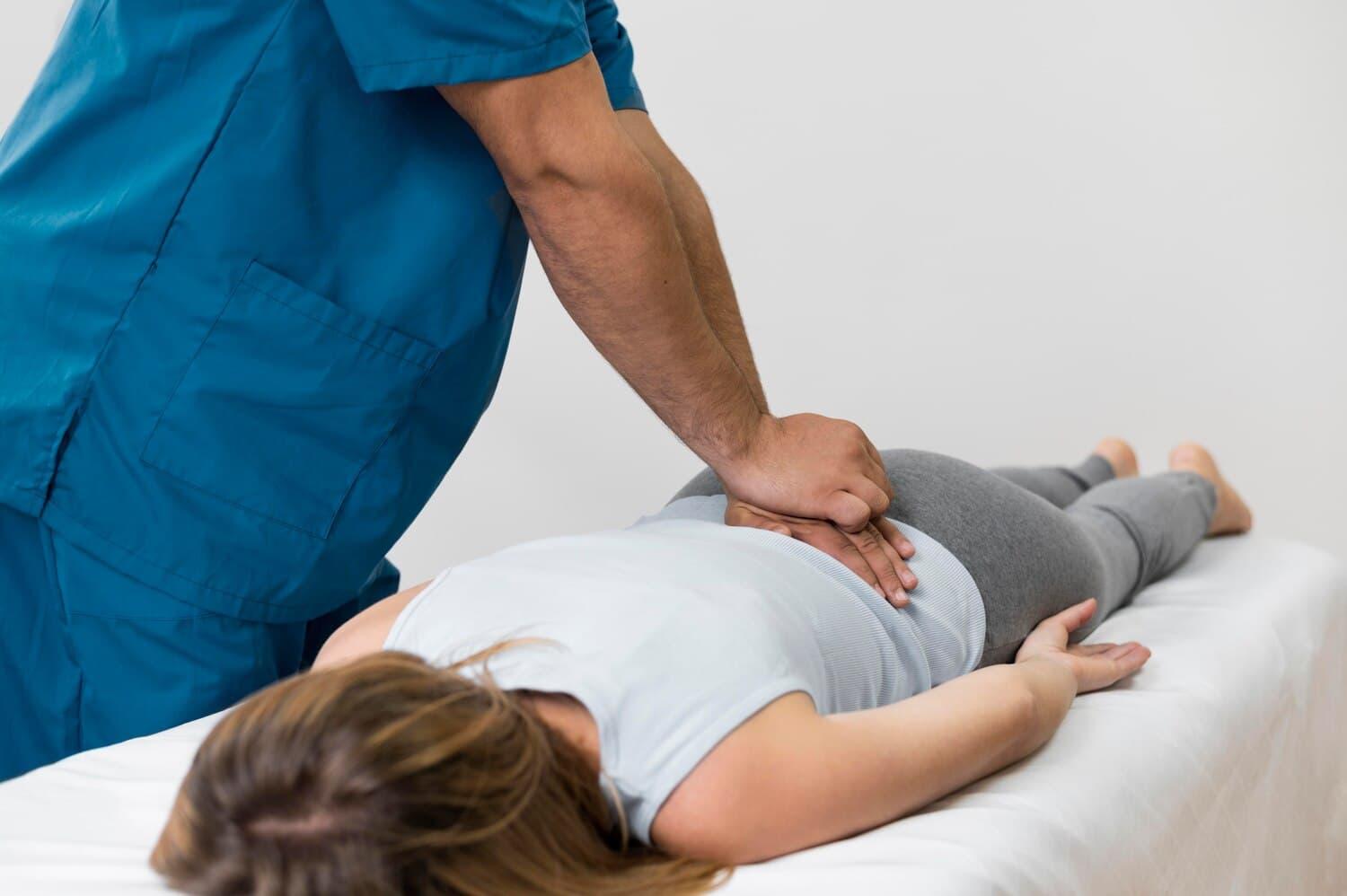
Spinal discomfort can make everyday activities such as sitting, bending, standing, and walking more difficult. Some individuals explore conservative treatment options when symptoms are associated with disc related concerns or pressure around spinal structures. Understanding how these approaches work can help patients make informed decisions before beginning care. Spinal decompression therapy is a treatment approach intended to apply controlled forces to the spine using specialized equipment or, in some cases, carefully selected manual techniques. Its purpose, suitability, and expected effects depend on the patient's condition, medical history, and clinical assessment rather than on the treatment name alone.
Understanding the Structure of the Spine
The spine is made up of individual bones called vertebrae, which are arranged to support the body and protect the spinal cord. Between many of these bones are flexible discs that help absorb forces and allow movement. Ligaments, muscles, joints, and other supporting structures contribute to spinal stability and flexibility. Nerves travel through spaces within and around the spine to communicate with different parts of the body. When these structures become irritated or injured, a person may experience pain, stiffness, or radiating symptoms. Understanding this basic structure helps explain why spinal conditions can affect movement and comfort in different ways.
What Spinal Decompression Therapy Involves
Spinal decompression therapy generally refers to a controlled method of applying gentle pulling forces to selected areas of the spine. In nonsurgical settings, specialized equipment may position the patient on a treatment table and apply carefully adjusted traction. The treatment is intended to create changes in the loading and spacing of spinal structures during the procedure. The amount of force, treatment duration, and positioning may vary according to the equipment and the patient's needs. It is important to understand that nonsurgical decompression is different from surgical procedures that physically remove tissue or create space around spinal nerves.
How the Spine Responds to Controlled Traction
During a decompression session, the equipment applies a measured pulling force to the targeted spinal region. The force may temporarily alter how pressure is distributed across joints, discs, and surrounding tissues. Some treatment systems use programmed cycles that alternate between periods of pulling and relaxation. The practitioner selects settings based on the patient's condition and tolerance. These mechanical effects do not guarantee that a disc will move back into a specific position or that nerve compression will be permanently corrected. The actual response varies, and treatment decisions should be based on clinical findings rather than assumptions about what happens inside the spine.
Understanding the Role of Spinal Discs
Spinal discs contain a softer central region surrounded by a stronger outer layer. They help distribute forces between vertebrae and support normal spinal movement. Age related changes, injury, or other factors can affect disc structure and contribute to symptoms in some individuals. A bulging or herniated disc may irritate nearby nerve structures, although many people have disc changes without experiencing pain. The relationship between imaging findings and symptoms must therefore be interpreted carefully. Patients can explore information about thoracic disc injuries and chiropractic care to learn more about disc related concerns affecting the spine.
Possible Reasons a Practitioner May Consider Decompression
A practitioner may discuss nonsurgical decompression when a patient's symptoms and examination findings suggest that a traction based approach could be appropriate. Some treatment plans consider it for selected cases involving disc related back discomfort or radiating symptoms. However, evidence of benefit varies by condition, treatment method, and individual patient characteristics. Decompression should not be presented as a universal solution for back pain or as a guaranteed way to repair a disc. The practitioner should explain why the approach is being considered, what evidence supports its use for the specific concern, and which alternative options may be available.
What Happens During a Typical Session
Before treatment begins, the practitioner should review the patient's symptoms, health history, and any relevant diagnostic findings. If decompression is considered suitable, the patient may be positioned on a specialized table with supports or straps designed to help maintain a comfortable position. The equipment then applies controlled traction according to selected settings. The patient should be able to communicate discomfort or unusual sensations during the session. Treatment should be stopped or adjusted if symptoms become concerning. The practitioner should explain the process beforehand and avoid promising that every patient will experience the same response.
The Importance of Screening and Patient Suitability
Not everyone is an appropriate candidate for spinal decompression therapy. Certain fractures, spinal instability, severe osteoporosis, some recent surgeries, specific inflammatory conditions, and other medical concerns may make traction unsuitable. Pregnancy and certain vascular or neurological conditions may also require special consideration. A careful assessment helps identify possible risks and determine whether another approach would be safer. Patients should disclose previous injuries, surgeries, current medical conditions, and medications before treatment. Understanding the basics of chiropractic care can help explain why health history and examination findings should guide decisions about conservative spinal treatment.
Combining Treatment With Movement and Lifestyle Guidance
When appropriate, decompression may be considered as one part of a broader care plan rather than a stand alone solution. A practitioner may also recommend activity adjustments, mobility exercises, or gradual strengthening based on the patient's needs. Maintaining comfortable movement and avoiding activities that consistently aggravate symptoms may help support daily function. Patients who spend long periods working at a desk can review computer ergonomics for general workstation guidance. Any exercise program should be selected according to the patient's diagnosis, physical abilities, and response to activity, rather than copied from a general routine.
Understanding Possible Benefits and Limitations
Some patients report improvement in comfort or movement after a course of nonsurgical decompression, while others experience little benefit. Outcomes may depend on the underlying condition, treatment settings, individual response, and other aspects of the care plan. Temporary changes in symptoms do not necessarily indicate that a disc has been structurally repaired. Patients should ask how progress will be measured and what the practitioner will do if the treatment does not help. A responsible provider will discuss uncertainty, potential risks, and alternatives. Claims of guaranteed results or permanent disc correction should be treated cautiously.
Recognizing When Medical Assessment Is Necessary
Back pain accompanied by new or progressive leg weakness, significant numbness, or difficulty walking requires prompt medical evaluation. New loss of bladder or bowel control, or numbness around the groin or saddle region, may indicate a serious spinal emergency and requires immediate attention. Severe pain after significant trauma, fever, or unexplained illness also warrants medical assessment. Patients should not begin traction based treatment before serious conditions have been considered. A practitioner should recommend referral when symptoms or examination findings suggest that decompression may be unsafe or that another form of care is necessary.
Making an Informed Decision About Spinal Decompression
Before choosing spinal decompression, patients should ask what condition the treatment is intended to address, how suitability is determined, and what alternatives exist. They should also clarify the expected number of sessions, total costs, possible side effects, and the criteria used to evaluate progress. Treatment recommendations should be specific to the patient's needs and supported by a clear explanation. A second medical opinion may be useful when the diagnosis is uncertain or symptoms are persistent. An informed decision considers the potential benefits and limitations without assuming that specialized equipment automatically provides better results than other appropriate care options.
Conclusion
Spinal decompression therapy uses controlled traction to change the forces applied to selected areas of the spine during treatment. Its effects and suitability vary according to the patient's condition, and it should not be considered a guaranteed method of repairing discs or eliminating nerve pressure. Careful screening, clear explanations, and regular monitoring are essential before and during treatment. Patients should understand available alternatives and seek medical evaluation for concerning symptoms. Lakewood Injury Chiropractic may be considered when exploring chiropractic services in Lakewood, with an initial consultation offering an opportunity to discuss spinal concerns, assessment procedures, and whether a conservative treatment approach may be appropriate.

 English
 Arabic
 French
 Spanish
 Portuguese
 Deutsch
 Turkish
 Italiano
 Russian
 Romaian
 Portuguese (Brazil)
 Greek
