


Maize Seed Market Growth: Innovations Reshaping Global Crop Production
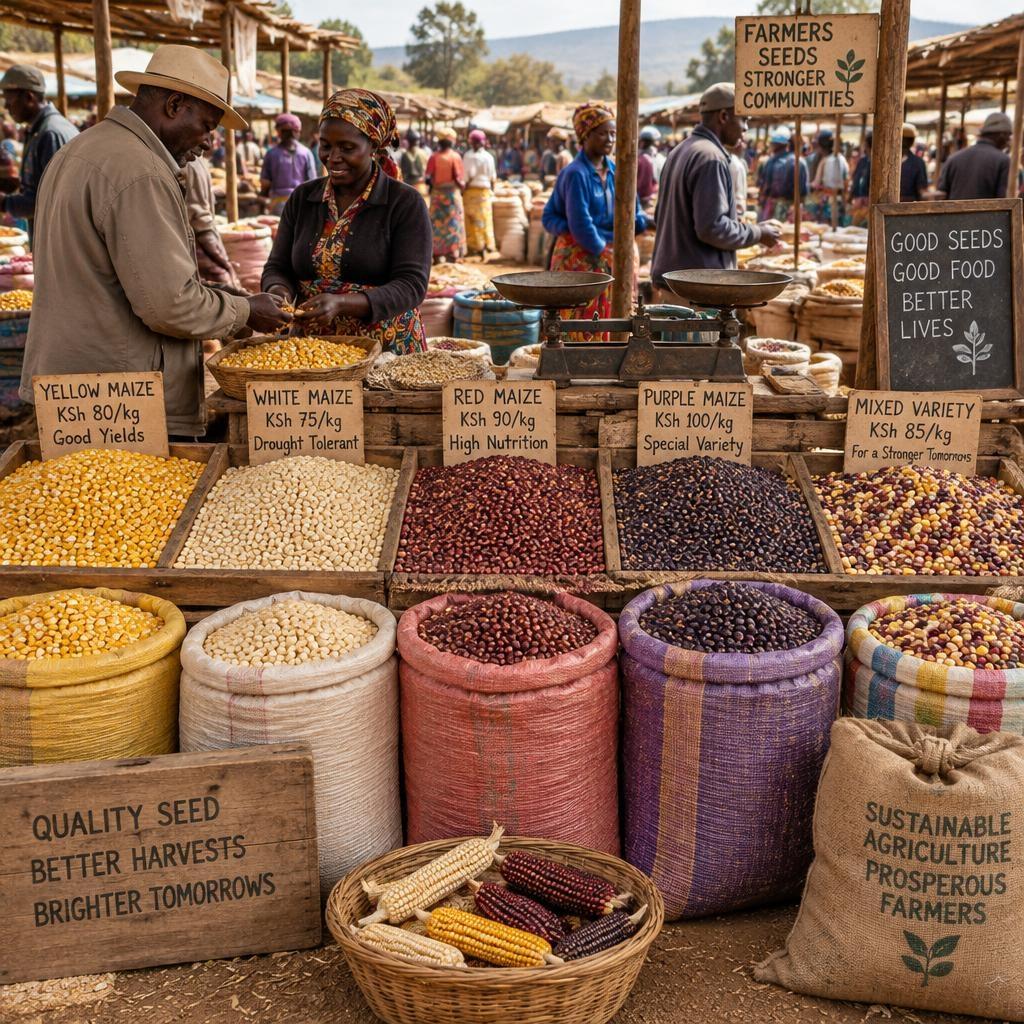
The maize seed market is experiencing continuous development as agricultural businesses respond to changing crop production requirements. Maize is an important crop for food systems, livestock feed, industrial processing, and agricultural manufacturing. Its diverse applications create demand for seed varieties that can address different farming environments and production objectives.
The development of maize hybrid technology has become an important part of this industry. Hybrid breeding enables seed developers to combine desirable characteristics from selected parent plants. These characteristics may include crop uniformity, maturity, grain quality, plant structure, and adaptability. Through continued research, manufacturers can develop seed products that address the requirements of different agricultural regions.
Advancements in Maize Breeding
Plant breeding is central to the development of improved maize seeds. Breeders evaluate different plant characteristics to identify genetic combinations that can support specific cultivation requirements.
Traditional breeding methods remain important, while modern scientific techniques are providing additional opportunities for improving crop varieties.
Breeding programs may focus on characteristics such as:
-
Better adaptation to local climatic conditions.
-
Improved resistance to common crop diseases.
-
Suitable maturity characteristics.
-
Consistent grain quality.
-
Improved plant development.
-
Tolerance to environmental stress.
These characteristics can help seed developers create products that respond to the changing needs of farmers.
Climate Adaptability and Seed Innovation
Climate conditions can influence maize cultivation throughout the growing season. Changes in rainfall, temperature, soil moisture, and weather patterns may affect crop establishment and development.
Seed companies are therefore paying attention to varieties that can perform under different environmental conditions.
Drought tolerance is an important breeding consideration in areas where water availability creates agricultural challenges. Other breeding programs focus on heat tolerance, disease resistance, and adaptability to different soil environments.
Developing suitable seed varieties requires research, field evaluation, and an understanding of local agricultural conditions.
Digital Technology in Seed Research
Digital technologies are increasingly supporting agricultural research and seed development.
Data management systems can help breeders organize information about plant characteristics and field performance. Digital tools can also support the evaluation of different varieties across growing environments.
Remote monitoring and agricultural imaging technologies provide additional opportunities to observe crop development.
These approaches can help researchers identify useful plant characteristics and improve decision-making during breeding activities.
Seed Treatment and Quality Management
Seed treatment is another important area of innovation in the maize seed industry.
Treatment processes can help protect seeds against certain pests and diseases during the early stages of crop development. The selection of appropriate treatment methods depends on seed characteristics, agricultural requirements, and applicable regulations.
Seed manufacturers also focus on cleaning, grading, packaging, and quality testing. These activities help maintain seed identity and ensure that products meet relevant quality requirements.
Effective storage and transportation practices are equally important because seeds must retain their viability before reaching farmers.
Distribution and Farmer Accessibility
An effective distribution network helps connect seed manufacturers with agricultural communities.
Seed companies typically work with distributors, dealers, agricultural retailers, and other supply-chain participants to make their products available to farmers.
Understanding local cultivation practices is important when developing distribution strategies. Different regions may require different varieties based on climate, soil characteristics, cropping seasons, and end-use preferences.
Farmer education also plays an important role. Product demonstrations and agricultural guidance can help farmers understand the characteristics of different seed varieties.
Opportunities for Agricultural Businesses
The maize seed industry offers opportunities for businesses involved in breeding, seed processing, packaging, distribution, and agricultural advisory services.
Companies that invest in research and maintain consistent product quality can strengthen their relationships with farmers.
Collaboration between research institutions and private seed manufacturers can also support the development of new varieties and improve access to suitable planting materials.
Conclusion
Innovation will remain an important influence on the maize seed market. Improved breeding techniques, climate adaptability, digital agricultural tools, and quality management can help the industry respond to evolving farming requirements.
As agricultural systems continue to change, seed manufacturers will need to focus on research, product development, and reliable distribution to support the long-term development of maize cultivation.
Frequently Asked Questions
Q1. How does innovation influence the maize seed market?
Innovation supports improved breeding, seed treatment, quality management, climate adaptability, and the development of varieties suited to different agricultural conditions.
Q2. Why is climate adaptability important in maize seeds?
Climate-adaptable varieties can help farmers address environmental challenges associated with temperature, rainfall, water availability, and other growing conditions.

 English
 Arabic
 French
 Spanish
 Portuguese
 Deutsch
 Turkish
 Dutch
 Italiano
 Russian
 Romaian
 Portuguese (Brazil)
