


Abdominal Fat Injections and Body Contouring
Medically reviewed by Dr. Sannia Awais
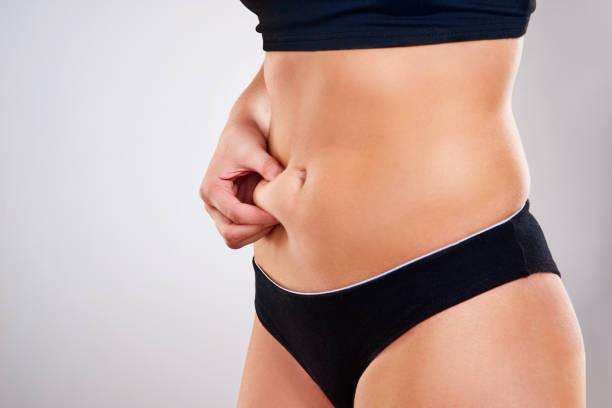
Have you ever noticed that stubborn abdominal fat remains even after making consistent efforts to maintain a balanced lifestyle? For many people, the stomach is one of the most frustrating areas when it comes to achieving a smoother, more defined body shape. Even when overall weight is relatively stable, localized fat deposits can affect the appearance of the waistline and abdominal contours. This has increased interest in aesthetic treatments that target specific areas rather than focusing on overall weight reduction. Abdominal fat injections are among the options frequently discussed in the beauty and wellness industry. However, understanding their actual benefits, limitations, and safety considerations is essential before considering any procedure.
Understanding Abdominal Fat Injections in Simple Terms
Abdominal fat injections are cosmetic procedures marketed to reduce localized fat deposits by introducing substances into the fatty tissue beneath the skin. However, their safety and effectiveness depend heavily on the ingredients used, and not every fat-dissolving injection is medically approved for abdominal treatment.
These procedures are commonly described as injection lipolysis or fat-dissolving injections. Certain formulations contain ingredients intended to disrupt fat-cell membranes, allowing the body to gradually process the affected cellular material.
One ingredient that has received clinical attention is deoxycholic acid. It is a naturally occurring bile acid involved in the breakdown of dietary fat. In an injectable medical formulation, it acts as a cytolytic substance that damages cell membranes.
Although fat-dissolving injections are frequently advertised for the stomach, waist, thighs, and other body areas, it is important to distinguish between marketing claims and established medical evidence.
For example, the US Food and Drug Administration (FDA) has approved deoxycholic acid injections for treating submental fat, which is the localized fat beneath the chin in adults. It has not approved this treatment for abdominal fat reduction.
For UAE residents researching Fat Melting Injections in Abu Dhabi, checking the exact product, its regulatory status, and its approved treatment areas should be an important part of the consultation process.
These injections should also not be confused with weight-loss treatments. They are not designed to address obesity, visceral fat surrounding internal organs, or substantial excess body weight.
The Science Behind How Abdominal Fat Injections Work
Fat-dissolving injections work by targeting fat cells through a chemical process that can disrupt their membranes, triggering an inflammatory response as the body processes the affected tissue. However, the scientific evidence for abdominal applications is not equivalent to the established evidence for approved under-chin treatment.
Deoxycholic acid is particularly interesting because of its ability to break down cell membranes. When used in an approved injectable formulation and administered in the appropriate anatomical area, it can damage targeted fat cells.
Following treatment, the body gradually clears the damaged cellular material through its natural inflammatory and waste-removal processes. This takes time, which is why visible changes do not occur immediately.
In aesthetic medicine, this process is often discussed alongside other approaches to fat reduction, skin tightening, and body contouring. People exploring Fat Melting Injections in Abu Dhabi may also encounter treatments involving face contouring, jawline definition, local anaesthesia, and collagen remodelling. These approaches have different mechanisms and should not be treated as interchangeable.
For example, a micro-laser fibre used in certain laser-assisted procedures delivers energy into tissue and may encourage collagen remodelling and tissue contraction. Injectable fat-dissolving products primarily target fat cells rather than directly stimulating collagen production.
There is also an important safety consideration. The FDA's September 2026 safety communication highlighted serious adverse reactions associated with deoxycholic acid injections administered outside the approved under-chin area. Reported complications include nerve and muscle injuries, persistent nodules, and other tissue-related problems.
Consequently, the fact that a substance can break down fat cells does not automatically mean it is suitable for use in the abdomen. Product approval, clinical evidence, and appropriate injection techniques all matter.
Which Areas of the Face and Body Can Fat Melting Injections Treat?
Fat-dissolving injections are discussed for several areas of the face and body, but their established medical indications are limited to specific products and anatomical locations. Treatment suitability should never be assumed simply because a particular area is advertised.
The area beneath the chin is the best-established application of deoxycholic acid injections. In suitable adults, reducing this localized fullness may improve the appearance of the chin and create a more defined jawline.
Other areas frequently promoted in aesthetic settings include the abdomen, flanks, upper arms, thighs, and lower cheeks. However, evidence and regulatory approval vary, and the use of products outside their approved indications can involve significant risks.
Understanding Abdominal Fat Deposits
Abdominal fullness can have different underlying causes. Some people have subcutaneous fat, which sits directly beneath the skin, while others have visceral fat, which surrounds internal organs.
These are not the same. Injectable cosmetic treatments target subcutaneous tissue and cannot safely or effectively remove visceral fat.
Skin laxity can also contribute to a less defined stomach area. In such situations, reducing fat alone may not create the desired appearance because loose skin remains an important part of the concern.
Facial and Other Body Contouring Areas
Facial contouring focuses on improving the appearance of specific features, including the chin and jawline. A suitable treatment may help reduce localized fullness, but facial structure and skin elasticity also influence the final appearance.
For larger body areas, alternative approaches may be more appropriate. A qualified practitioner can assess whether the concern involves fat distribution, loose skin, or another anatomical factor before recommending treatment.
What to Expect Before, During, and After Treatment
Anyone considering abdominal fat injections should expect a medical consultation, a detailed discussion of product safety, and an explanation of possible complications. The procedure and recovery experience depend on the specific formulation and whether its use is medically appropriate.
Before Treatment
The first step is a consultation with an appropriately qualified healthcare professional. The practitioner should examine the abdominal area, discuss aesthetic expectations, and review relevant medical history.
It is important to disclose allergies, current medications, previous cosmetic treatments, and any existing medical conditions.
Patients should ask which active ingredient will be used, whether the product is registered with the relevant UAE authorities, and whether it is approved for the intended treatment area.
A practitioner should also explain the difference between subcutaneous and visceral fat. This helps establish whether an injectable cosmetic treatment is even relevant to the concern.
During Treatment
If a medically appropriate and legally authorized procedure is recommended, the treatment area is prepared according to the product's instructions.
The injection technique, number of injections, and amount of product depend on the specific formulation and approved protocol. Local anaesthesia or other comfort measures may be considered where appropriate.
Patients should not proceed with injections simply because a treatment is described as minimally invasive. The qualifications of the practitioner, product quality, and anatomical knowledge are essential to patient safety.
After Treatment
Recovery experiences vary according to the product and treatment area. Swelling, tenderness, bruising, redness, numbness, and firmness may occur after certain fat-dissolving injections.
More serious complications can include infection, skin ulceration, tissue damage, persistent lumps, and injury to nearby structures.
Patients should follow professional aftercare instructions and seek medical attention if they experience worsening pain, spreading redness, unusual swelling, drainage, or other concerning symptoms.
It is also important to remember that fat reduction does not automatically produce skin tightening. Treatments involving collagen remodelling or other tissue-tightening technologies may work differently and require separate assessment.
Abdominal Fat Injections Compared With Cryolipolysis and Liposuction
Abdominal fat injections, cryolipolysis, and liposuction use different methods to address localized fat deposits. Their suitability depends on the treatment area, the amount of fat, skin condition, and the safety evidence supporting each procedure.
| Feature | Fat-Dissolving Injections | Cryolipolysis | Liposuction |
|---|---|---|---|
| Technique | Chemical injection | Controlled cooling | Surgical fat removal |
| Invasiveness | Minimally invasive | Non-surgical | Surgical |
| Main purpose | Disrupt targeted fat cells | Damage fat cells through cooling | Physically remove fat |
| Anaesthesia | Depends on product and protocol | Usually not required | Depends on procedure |
| Recovery | Swelling and bruising may occur | Temporary tenderness or numbness | Surgical recovery required |
| Treatment suitability | Depends on product approval and area | Selected localized fat deposits | Larger localized fat deposits |
| Skin tightening | Not its primary purpose | Not its primary purpose | Does not reliably tighten loose skin |
Which Option May Be More Suitable?
Cryolipolysis uses controlled cooling to target selected subcutaneous fat deposits. It is a non-surgical option, although temporary discomfort, numbness, and other complications can occur. A rare but important complication is paradoxical adipose hyperplasia, in which the treated area becomes larger rather than smaller.
Liposuction is a surgical procedure that physically removes fat through a small cannula. It may be considered for people with larger localized deposits who are appropriate surgical candidates, but it involves anaesthesia considerations, recovery, and surgical risks.
Fat-dissolving injections may sound convenient, but abdominal applications require particular caution because the safety and effectiveness of commonly marketed formulations are not established to the same standard as approved submental treatments.
The most appropriate option is the one that matches the individual's anatomy, medical history, and realistic expectations.
Frequently Asked Questions
1. Can Fat-Dissolving Injections Reduce Abdominal Fat?
Certain products are marketed for abdominal fat reduction, but their safety and effectiveness must be established for the specific formulation and treatment area. FDA-approved deoxycholic acid injections are not approved for abdominal use.
2. How Long Does It Take to See Results From Fat-Dissolving Injections?
For approved treatments, visible changes generally develop gradually as the body processes the affected tissue. The timeline varies by product, treatment area, and individual response.
3. Are Abdominal Fat Injections Suitable for Everyone?
No. Suitability depends on medical history, the type of fat, skin condition, and the safety profile of the proposed product. People with certain medical conditions or active infections may not be suitable candidates.
4. Do Fat Melting Injections Tighten Abdominal Skin?
Fat-dissolving injections primarily target fat cells rather than loose skin. They should not be considered a dedicated skin-tightening treatment. Other procedures may be discussed when skin laxity is the main concern.
5. Are Fat-Dissolving Injections a Replacement for Liposuction?
Not necessarily. These procedures work differently, and injectable treatments are not established substitutes for surgical fat removal. The appropriate approach depends on the amount of localized fat and the individual's treatment goals.
Final Thoughts
Abdominal fat injections have attracted attention in the aesthetic industry because of growing interest in targeted body contouring and non-surgical cosmetic treatments. However, understanding the difference between advertised benefits and medically established uses is essential before considering the procedure.
Although certain injectable ingredients can disrupt fat cells, their safety cannot be assumed across different body areas. In particular, deoxycholic acid products approved for under-chin treatment should not be considered approved or recommended for abdominal fat reduction.
People interested in improving their abdominal contours should also understand that localized fat, visceral fat, and loose skin require different approaches. Cryolipolysis and liposuction may be considered in appropriate circumstances, while skin-tightening procedures address a separate concern.
Ultimately, a well-informed decision begins with an honest discussion about expectations, product approval, possible complications, and available alternatives. Speaking with a qualified and appropriately licensed practitioner is the best way to understand which body-contouring options may be suitable for your individual needs.

 English
 Arabic
 French
 Spanish
 Deutsch
 Turkish
 Dutch
 Italiano
 Russian
 Romaian
 Portuguese (Brazil)
 Greek
