


Which Details Can bluefirecans Share Before Production Starts?
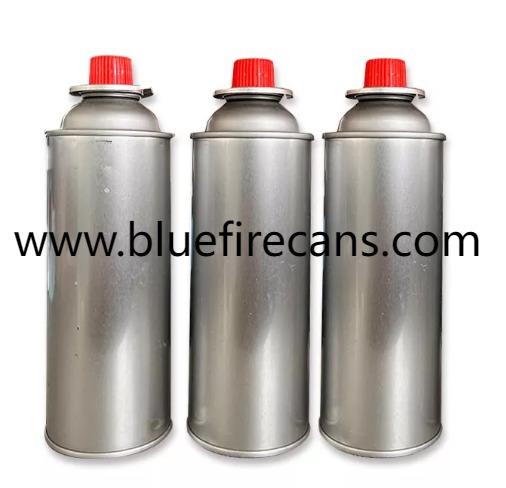
Butane Gas Cartridge Supplier selection requires buyers to review more than product prices. Product specifications, appliance compatibility, manufacturing procedures, packaging arrangements, and order communication can all affect purchasing decisions. Before requesting a quotation or confirming a bulk order, importers should understand how each product model fits its intended application. A clear evaluation process helps reduce misunderstandings and gives purchasing teams a practical basis for comparing different manufacturers.
Confirm Product Specifications and Application Requirements
The first step is to identify the technical requirements of the intended market. Buyers should check the product capacity, dimensions, weight, shape, and connection structure. These details influence storage, transportation, installation, and compatibility with the equipment used by end customers.
Capacity should match the expected operating requirements. For example, products designed for portable cooking equipment may have different size and capacity requirements from those used in other outdoor applications. Importers should also confirm whether the available models meet the dimensional limits of their target appliances.
It is useful to prepare a specification sheet before contacting a manufacturer. This document can include expected capacity, measurements, valve configuration, intended application, and estimated order quantity. Providing clear information helps both parties discuss suitable options more efficiently.
Check Valve Design and Equipment Compatibility
Connection design is another important consideration. Buyers should identify the required valve type and confirm whether it matches the equipment used in their target market. Thread dimensions, connection standards, sealing structures, and installation requirements should be reviewed before ordering.
A product may have suitable capacity but still be unsuitable for an appliance if its connection does not match. Importers should therefore request technical drawings or detailed product information when available. If compatibility is uncertain, a sample evaluation can help confirm whether the product fits the intended equipment.
Buyers should avoid relying only on general product descriptions. Specific measurements and connection details provide more useful information during technical evaluation and help prevent problems after delivery.
Review Materials and Manufacturing Procedures
The construction of a pressurized container affects its handling requirements and intended use. Buyers should ask about the materials, forming processes, sealing methods, and inspection procedures used during production.
It is also worth understanding how the manufacturer manages incoming materials and monitors production consistency. Relevant checks may include dimensional inspection, appearance assessment, sealing verification, and other tests required by the product design and applicable regulations.
Rather than relying on broad quality statements, purchasing teams should request information about actual inspection steps and available records. They can also ask whether production batches are checked according to documented procedures. These discussions provide a clearer picture of how manufacturing quality is managed.
Evaluate Packaging, Labels, and Export Preparation
Packaging should be considered before an order is finalized, particularly when products will be transported across borders. Buyers need to confirm the quantity per carton, packaging dimensions, protective arrangements, labeling information, and any market-specific requirements.
Because pressurized fuel products may be subject to transportation and handling rules, importers should check the applicable requirements with qualified freight partners and relevant authorities. Classification, packaging, markings, and shipping documents should be confirmed before shipment rather than assumed from previous orders.
Buyers should also review whether labels can include required product information, customer details, language versions, or private-label artwork. Confirming these points early can reduce delays during packaging and export preparation.
Discuss Samples, Customization, and Order Quantities
Samples give buyers an opportunity to review dimensions, appearance, connections, packaging, and practical compatibility before committing to a larger purchase. If the product is intended for a specific appliance or market, testing should follow the relevant technical and safety requirements.
Customization should also be discussed in detail. Buyers may need different capacities, valve configurations, printed designs, carton specifications, or labeling arrangements. They should ask which options are available, whether additional tooling or setup is required, and how customization may affect production schedules and minimum order quantities.
For bulk purchasing, it is useful to confirm the estimated quantity, production lead time, sample approval process, and arrangements for repeat orders. Written confirmation helps both parties maintain a consistent understanding of the order.
Assess Communication and After-Sales Support
Clear communication is essential throughout the purchasing process. Buyers should consider how quickly a manufacturer responds to technical questions, provides updated documents, and communicates changes to production or delivery schedules.
It is also helpful to establish a contact process for issues involving product specifications, packaging, or shipment arrangements. Before placing an order, importers can ask how product feedback is handled and what information is required when reporting a quality concern.
A practical business relationship depends on accurate information and clear responsibilities. Buyers should keep quotations, approved specifications, sample records, and order details in written form so that important requirements remain easy to reference.
Compare the Complete Purchasing Conditions
Price is important, but it should not be the only factor in a purchasing decision. Buyers should compare product specifications, customization costs, packaging arrangements, inspection procedures, minimum quantities, payment terms, and delivery schedules together.
A lower quotation may involve different packaging, fewer customization options, or other conditions that affect the total purchasing cost. Importers should therefore request a detailed quotation and check whether the listed terms match their requirements.Bluefire Industries Limited provides portable fuel products in different capacities, including 100g, 230g, and 450g models, with available valve configurations and OEM printing options. Buyers can review product information, discuss project requirements, and confirm suitable specifications with bluefirecans before placing an order. For further details, visit https://www.bluefirecans.com/

 English
 Arabic
 French
 Spanish
 Portuguese
 Deutsch
 Turkish
 Dutch
 Russian
 Romaian
 Portuguese (Brazil)
 Greek
