


Press Tool: The Hidden Power Behind Modern Manufacturing Innovation
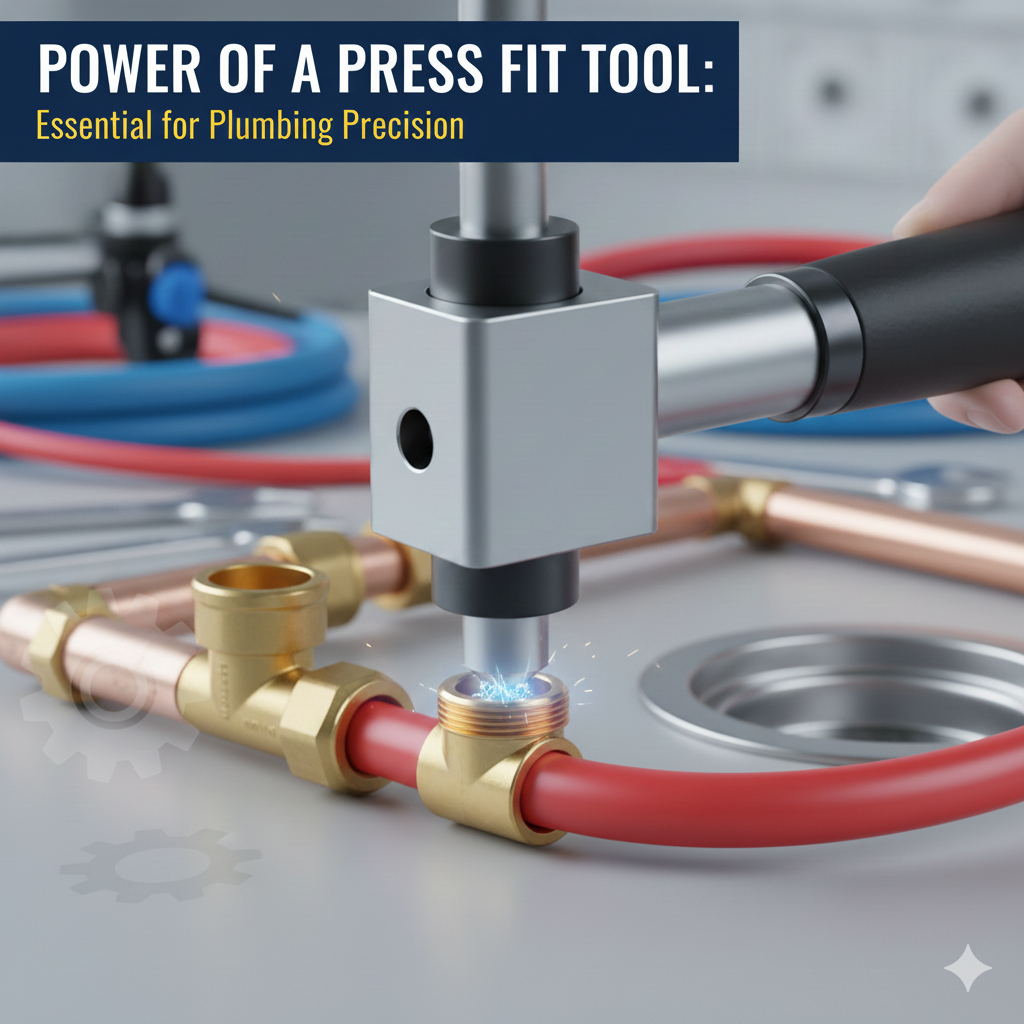
In today’s fast-moving world of production, efficiency, precision, and consistency have become essential. Whether it’s the sleek metal frame of a smartphone, the body parts of a car, or the tiny components used in household appliances, each piece requires extraordinary accuracy. Behind this silent perfection lies an unsung hero of manufacturing: the Press Tool. Though rarely noticed by everyday consumers, press tools play a crucial role in shaping, cutting, and forming materials with remarkable speed and reliability.
Understanding the Core Purpose of a Press Tool
A press tool is a specialized device used in manufacturing to shape or cut different materials—typically metals—through applied pressure. It works inside a press machine, where force is used to perform various operations such as bending, punching, shearing, or drawing. In simple terms, if you’ve ever held a neatly formed metal product, chances are a press tool helped create it.
The beauty of a press tool lies in its ability to repeat the same action thousands or even millions of times with unwavering accuracy. This makes it indispensable in industries where uniform parts are needed on a massive scale.
The Evolution of Press Tools in Modern Production
The journey from manual metalworking to advanced automated systems has transformed press tools into highly engineered components. Earlier, shaping metal was a labor-intensive process requiring skilled hands and considerable time. Today, advanced press tools paired with modern machinery can produce components in seconds.
Computer-aided design (CAD) and precision engineering have also revolutionized how press tools are built. Designers can now simulate stresses, predict wear patterns, and optimize tool geometry before manufacturing even begins. This shift has not only increased output quality but has significantly reduced production costs and material waste.
Different Types of Press Tools and Their Roles
The world of press tools is diverse, and each type serves a unique purpose. Here are some of the most widely used categories:
1. Blanking Tools
These tools cut flat shapes out of sheet metal. If you imagine cookie cutters working on dough, blanking tools perform the same action—but with much more power and precision. They are essential for creating components that require a consistent outer profile.
2. Bending Tools
When a product needs a curved or angular shape, bending tools come into play. They exert force along a specific line, allowing sheet metal to form a precise bend without cracking or deforming.
3. Piercing Tools
These tools punch holes or openings in a metal sheet. Whether it’s ventilation slots in an appliance casing or mounting holes in automotive parts, piercing tools make these repetitive cuts with exceptional speed.
4. Drawing Tools
For deeper shapes like cans, shells, or casings, drawing tools gradually stretch the metal into the desired form. This process requires both strength and finesse to avoid tearing the material.
5. Compound and Progressive Tools
These sophisticated tools perform multiple operations simultaneously or in sequence. Progressive tools, especially, allow manufacturers to produce finished parts through several stages within one press cycle. This significantly increases efficiency and reduces handling time.
Why Industries Rely So Heavily on Press Tools
Press tools combine speed, accuracy, and durability—three qualities that define modern mass production. Their advantages include:
High Productivity
Once set up, press tools can create thousands of identical components per hour, making them ideal for large-scale manufacturing.
Exceptional Precision
The ability to create parts with exact measurements reduces errors and ensures compatibility with assembly lines.
Cost Efficiency
Because press tools minimize material waste and lower labor requirements, they help companies cut production costs without compromising quality.
Long Service Life
Well-designed press tools can last for years, even under high pressure and continuous operation. This long lifespan makes them a wise investment for manufacturers.
Industries That Depend on Press Tool Technology
Press tools are used across a wide range of industries, each with its own rigorous standards:
-
Automotive Manufacturing: From body panels to brackets and fasteners, nearly every metal part in a vehicle has been shaped with press tools.
-
Electronics: Small, precise components like connectors, shield plates, and casings rely heavily on press tool accuracy.
-
Aerospace: High-strength, lightweight parts require advanced forming techniques, making press tools vital.
-
Home Appliances: Everyday items—from refrigerators to fans—contain numerous stamped parts created with press tools.
-
Construction: Metal fittings, reinforcements, and fastener plates all depend on press-based forming.
Wherever uniformity and durability matter, press tools are essential.
Innovation and the Future of Press Tool Technology
As industries push towards faster production and greener practices, press tools continue to evolve. New materials, such as high-strength alloys and composites, require more resilient tool designs. AI-driven monitoring systems now track tool wear, predict failures, and extend tool life through preventive maintenance.
Sustainable manufacturing is also reshaping the design of press tools. Modern versions aim to reduce scrap, use environmentally friendly coatings, and increase energy efficiency.
In the future, we may see hybrid press systems integrating robotics, sensors, and intelligent automation to create even greater precision and speed. But no matter how advanced production becomes, the foundational role of the press tool will remain unchanged.
Final Thoughts
The Press Tool may not be the most visible part of manufacturing, but it is undoubtedly one of the most essential. Its ability to transform raw materials into perfectly shaped components fuels the backbone of modern industry. Every product that demands accuracy, strength, and uniformity owes its existence, in part, to the power and precision of press tool engineering. As technology evolves, press tools will continue shaping the future—one precisely formed component at a time.

 English
 Arabic
 Spanish
 Portuguese
 Deutsch
 Turkish
 Dutch
Dutch
 Italiano
 Russian
 Romaian
 Portuguese (Brazil)
 Greek
Greek
