


The Complete Resilience Blueprint: Anatomy of a Disaster Recovery as a Service Market Solution
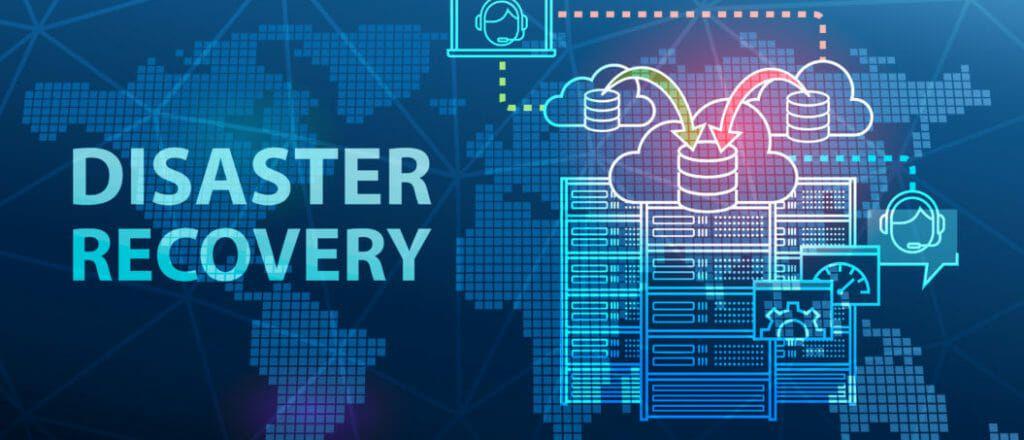
In the modern IT landscape, ensuring business survival in the face of disruption requires a comprehensive and multi-layered approach. A complete Disaster Recovery as a Service Market Solution is far more than just cloud storage; it is an integrated platform of software, infrastructure, and services meticulously designed to replicate, protect, and rapidly recover an organization's critical IT environment. This solution is best understood as an end-to-end service that encompasses continuous data replication, a secure and scalable recovery environment, a powerful orchestration engine for automation, and often, the human expertise to manage the entire process. Its primary purpose is to deliver on two key metrics: a low Recovery Point Objective (RPO), which minimizes data loss, and a low Recovery Time Objective (RTO), which minimizes downtime. Understanding the anatomy of this complete solution—from the replication agent in the primary data center to the automated runbook in the cloud—is essential for any business looking to implement a truly effective and reliable business continuity strategy.
The foundational component of any DRaaS solution is the Data Replication and Protection technology. This is the software that captures and transmits data from the organization's primary production environment to the secondary DR site. The most advanced solutions use continuous data replication (CDR), often at the hypervisor or block level. This technology acts like a digital DVR for the data center, capturing every single change as it is written to disk and replicating it in near real-time to the recovery site. This allows the solution to achieve RPOs of just a few seconds, meaning very little data is lost in a disaster. This component also includes features like WAN optimization to reduce the bandwidth required for replication and encryption of data both in transit and at rest to ensure security. A crucial part of this layer, especially for ransomware protection, is the ability to create immutable, air-gapped copies of the data, ensuring that a clean recovery point is always available, even if the primary data has been encrypted by an attacker.
The second core component is the Recovery Environment, which is the infrastructure where the business will run after a disaster. In a DRaaS model, this environment is hosted in the cloud, either by a public cloud provider like AWS or Azure, or in a specialized cloud built by the DRaaS vendor. This solution component provides the on-demand compute, storage, and networking resources needed to spin up the replicated virtual machines. A key advantage of the DRaaS solution is the flexibility of this environment. During normal operations, an organization might only pay for a small "pilot light" environment—just the minimal resources needed to receive the replicated data. Then, in the event of a disaster, the solution automatically and rapidly provisions the full complement of servers and resources needed to run the entire production workload. This on-demand scalability is a major cost advantage over traditional DR, where a company had to pay for a fully provisioned, yet mostly idle, secondary data center at all times.
The third, and arguably most important, component that ties the entire solution together is the Orchestration and Automation Engine. This is the "brain" of the DRaaS platform, responsible for automating the complex and error-prone process of failover and failback. This engine allows administrators to create pre-defined "runbooks" or recovery plans. These runbooks specify the exact sequence of actions to be taken during a disaster, including the boot order of interdependent applications, the execution of custom scripts to update DNS records or reconfigure application settings, and the automated validation to ensure services are running correctly. This level of automation is what enables the extremely low RTOs of modern DRaaS solutions. Crucially, this orchestration engine also powers non-disruptive testing. It can create an isolated "bubble" network in the recovery environment and execute the entire failover plan within it, allowing an organization to rigorously test their DR capability at any time without impacting their live production systems, providing absolute confidence that the solution will work when it is needed most.
Explore More Like This in Our Reports:

 English
 Arabic
 French
 Spanish
 Portuguese
 Deutsch
 Turkish
 Dutch
Dutch
 Italiano
 Romaian
 Portuguese (Brazil)
 Greek
Greek
