


A Closer Look at Ear Piercing Placements, Sizes, and Styling Choices
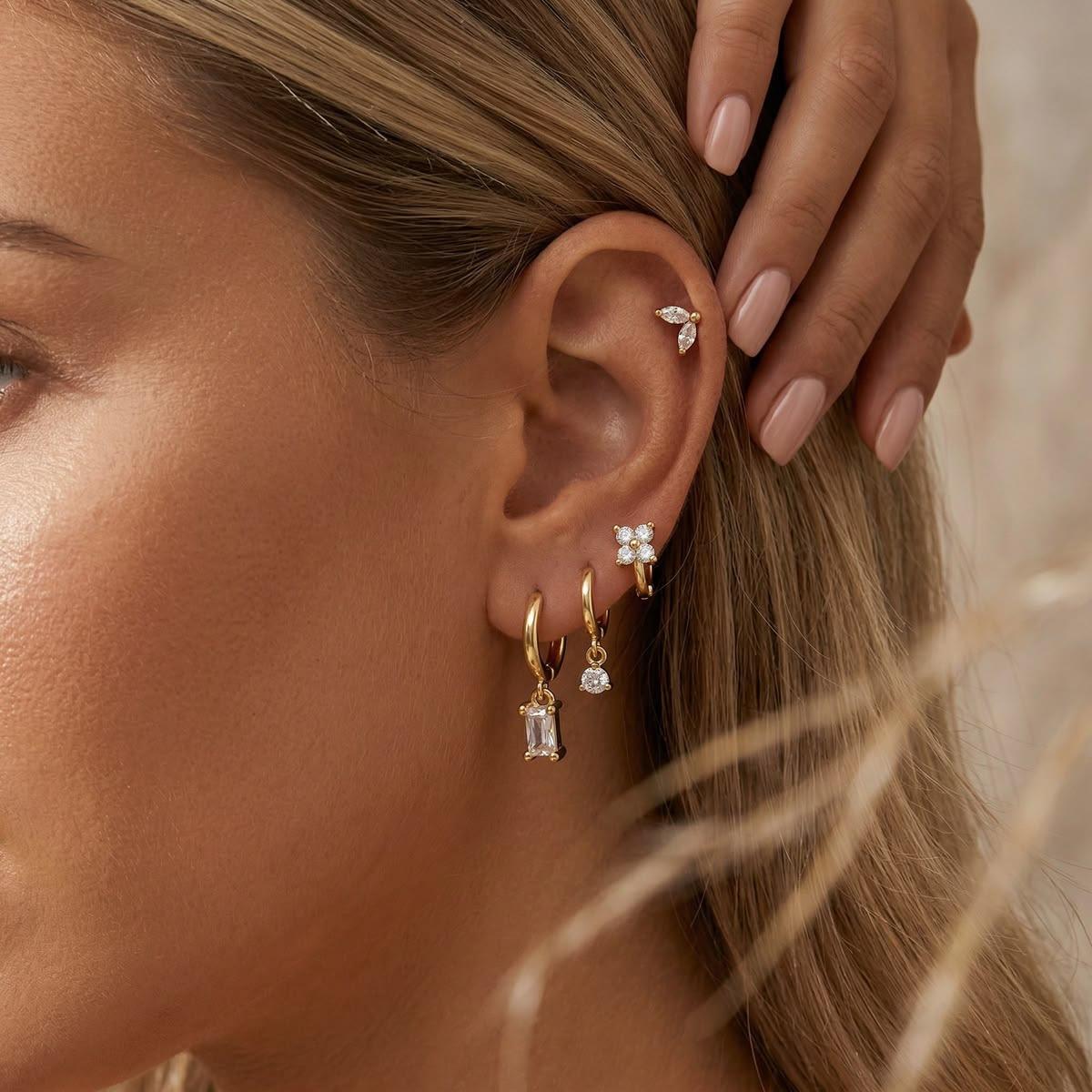
For many people, ear piercings are more than just a fashion choice. They can reflect personality, preferences, memories, and even milestones. Over the years, ear piercing trends have expanded far beyond the traditional single lobe piercing, giving people countless ways to customize their appearance.
Today, there are numerous piercing placements available across different areas of the ear. From classic lobe piercings to intricate cartilage placements, each option offers a different visual effect and experience. If you're considering a new piercing or simply exploring your options, it helps to understand how various placements work together and what makes each one unique.
Many people begin their research by wanting to read more about the ear piercing chart before deciding which placement best suits their ear anatomy and personal taste.
Why Ear Piercings Continue to Be Popular
Ear piercings have remained popular because they offer flexibility. Unlike many other forms of self-expression, ear piercings can be adjusted over time. Jewelry can be changed, additional piercings can be added, and different combinations can create completely different looks.
Some individuals prefer a minimal appearance with one or two piercings, while others enjoy building a curated collection across multiple areas of the ear. Because every ear has a unique shape, no two piercing arrangements look exactly alike.
This freedom of customization is one reason why people frequently search for an all ear piercings chart when planning future piercings.
Understanding Common Ear Piercing Placements
The lobe is usually the first piercing people receive. Located at the soft lower portion of the ear, lobe piercings tend to heal more comfortably than cartilage piercings. Multiple lobe piercings are also common and can serve as the foundation for a larger ear arrangement.
Moving upward, the helix sits along the outer edge of the ear. This cartilage piercing is one of the most requested placements because it works well with hoops and studs.
The tragus, positioned near the entrance of the ear canal, creates a distinctive appearance despite its small size. The forward helix, located toward the front of the ear, has also become a favorite among those looking for additional detail.
Further inside the ear, the conch provides space for larger jewelry pieces. The rook and daith are located within the inner folds of cartilage and can add depth to an ear design.
To better understand these locations, many people refer to a types of ear piercing chart before visiting a professional piercer.
How Different Placements Work Together
Creating a cohesive ear arrangement often requires careful planning. Some piercings naturally complement each other, while others stand out as statement placements.
For example, a double lobe piercing paired with a helix can create a balanced appearance. A conch piercing combined with multiple cartilage placements can produce a more layered look.
The goal is not to copy someone else's design but to create an arrangement that feels authentic to your own style. Ear anatomy plays a major role in determining which placements will work best, making professional consultation an important step in the process.
Many people use ear piercing charts to visualize how different placements may look when combined.
The Importance of Jewelry Sizing
Choosing the correct jewelry size is just as important as selecting the piercing itself. Improper sizing can affect comfort, healing, and the overall appearance of the piercing.
This is why many individuals review an learn about the ear piercing size chart before purchasing jewelry. These charts provide information about common gauge sizes, lengths, and diameters used for various piercing locations.
Lobe piercings often use different jewelry dimensions than cartilage piercings. During the healing period, slightly longer jewelry is typically recommended to accommodate swelling. After healing is complete, jewelry can be changed to achieve a more customized fit.
Understanding sizing standards helps reduce confusion and makes future jewelry purchases much easier.
Finding Inspiration for Future Piercings
Social media, professional portfolios, and educational resources have made it easier than ever to explore piercing ideas. However, inspiration should always be adapted to individual anatomy rather than copied exactly.
An all ear piercing chart can help identify placements you may not have considered before. Sometimes a piercing that appears striking on one person may not be the ideal choice for another due to differences in ear structure.
Taking time to learn about each placement allows for more confident decisions and better long-term satisfaction.
Learning the Language of Ear Piercings
When discussing ideas with a piercer, knowing the proper names of different placements can make communication much easier. Terms such as helix, conch, tragus, rook, and daith each refer to specific locations.
An ear chart for piercings can serve as a helpful reference when preparing for a consultation. Instead of pointing vaguely to an area of the ear, you can accurately describe the placement you're interested in exploring.
This often leads to clearer discussions about jewelry options, healing expectations, and placement suitability.
Planning an Ear That Reflects Your Personality
One of the most appealing aspects of ear piercings is that they can evolve over time. Some people start with a simple lobe piercing and gradually add new placements over several years. Others prefer a more dramatic transformation with multiple piercings completed in stages.
Resources such as an ear piercing types chart help individuals understand the possibilities available to them. Learning about placement options before making a decision often leads to better results and a more enjoyable experience.
Quality jewelry and professional piercing services also play a major role in achieving the desired outcome. Educational resources from Antiquecut can provide additional insight for individuals exploring different ear piercing options and jewelry styles.
Final Thoughts
Ear piercings offer endless opportunities for creativity and self-expression. Whether you prefer a classic lobe piercing or a carefully arranged collection of cartilage placements, understanding your options can help you make informed choices.
From reviewing an all ear piercings chart to consulting an ear piercing size chart, taking time to research placement names, sizing details, and healing expectations can make the experience far more rewarding. With the right planning and professional guidance, you can create an ear arrangement that feels uniquely your own and continues to reflect your personal style for years to come.

 English
 Arabic
 Spanish
 Portuguese
 Deutsch
 Turkish
 Dutch
Dutch
 Italiano
 Russian
 Romaian
 Portuguese (Brazil)
 Greek
Greek
