


How to Pack Healthy and Delicious School Lunches Your Kids Will Actually Eat
Mornings are chaotic enough without the added pressure of figuring out what to put in your child’s lunchbox. Every parent knows the frustration of spending time meticulously crafting a meal, only to have it come back home half-eaten at the end of the day. Providing a nutritious, appealing meal that survives the journey from the kitchen counter to the school cafeteria can feel like an impossible puzzle.
Proper nutrition during the school day is absolutely vital for a child's cognitive function, physical energy, and overall mood. A well-balanced meal stabilizes blood sugar, prevents the afternoon slump, and helps children maintain focus during their classes. This guide will walk you through practical, stress-free methods for planning, preparing, and packing school lunches that check all the nutritional boxes while genuinely appealing to your kids.
Planning: Meal Prep Strategies and Nutritional Considerations
The secret to stress-free mornings lies in the preparation you do before the week even begins. Waiting until 7:00 AM on a Tuesday to figure out what your child is going to eat is a recipe for frustration and poor nutritional choices.
Start by understanding the basic nutritional pillars of a solid lunch. A balanced school meal should include lean protein, complex carbohydrates, healthy fats, and a generous portion of fruits and vegetables. Protein, found in foods like grilled chicken, eggs, beans, or Greek yogurt, keeps children feeling full and provides sustained energy. Complex carbohydrates, such as whole-grain bread, brown rice, or quinoa, provide essential fuel for the brain. Healthy fats from avocados, nuts, or seeds support overall development and help absorb essential vitamins.
To make this manageable, designate a specific time during the weekend for meal prep. Wash and chop all your fruits and vegetables as soon as you get home from the grocery store. Store them in clear, airtight containers at eye level in the refrigerator so they are easy to grab. Cook a large batch of a versatile protein—like shredded chicken or hard-boiled eggs—that can be repurposed across different meals throughout the week.
Involving your children in the planning process drastically increases the likelihood that they will actually eat the food you pack. Sit down with them on Sunday and offer a choice between two healthy options for their main course. When children feel they have a say in their diet, they take ownership of their meals and are much less likely to trade their food away.
Recipes: Quick, Healthy, and Kid-Friendly Lunch Ideas
Having a reliable rotation of recipes prevents menu fatigue and keeps lunchtime exciting. Here are several highly adaptable, kid-approved lunch ideas that go beyond the standard peanut butter and jelly sandwich.
Turkey and Hummus Pinwheels
Traditional sandwiches can get soggy and boring. Pinwheels offer a fun, bite-sized alternative that kids love. Take a whole-wheat tortilla and spread a thin, even layer of your favorite hummus over the surface. Layer it with low-sodium deli turkey, thin slices of cheddar cheese, and a handful of baby spinach or shredded carrots. Roll the tortilla up tightly, slice it into one-inch rounds, and secure them with a toothpick if necessary. These are easy for little hands to manage and pack a great balance of protein and complex carbs.
The Deconstructed Taco Bento Box
Many kids prefer their food separated rather than mixed together. A bento-style box is perfect for a deconstructed taco lunch. Fill the different compartments with whole-grain tortilla chips, seasoned black beans or ground turkey, shredded cheese, diced tomatoes, and a small container of mild salsa or guacamole. This allows your child to build their own bites at the lunch table, making the eating process interactive and enjoyable.
Cold Sesame Noodle Salad
If your child prefers pasta, a cold sesame noodle salad is an excellent, vegetable-heavy option that tastes great straight out of the lunchbox. Cook whole-wheat spaghetti or soba noodles and toss them in a simple dressing made of low-sodium soy sauce, a splash of sesame oil, and a dash of honey. Mix in edamame, shredded red cabbage, and grated carrots. The edamame provides a fantastic punch of plant-based protein, while the colorful vegetables add essential vitamins and a satisfying crunch.
Breakfast for Lunch
Sometimes, breaking the rules is the best way to get a child excited about their meal. Packing breakfast items for lunch is a guaranteed hit. You can include hard-boiled eggs, whole-grain mini muffins, and a side of fresh berries. If your family buys dry goods in bulk for morning meals, you can easily repurpose these items. For instance, some parent organizations or large families even purchase custom cereal boxes wholesale to keep their pantries meticulously organized and portion out whole-grain cereals as a crunchy, dry snack for recess. Pair the cereal with a thermos of cold milk or a serving of yogurt for a complete, fun meal.
Packing: Tips for Keeping Lunches Fresh and Appealing
Even the most delicious meal will be rejected if it looks unappetizing or reaches an unappealing temperature by noon. Investing in the right packing gear and employing a few simple tricks will keep your carefully prepared food looking and tasting fresh.
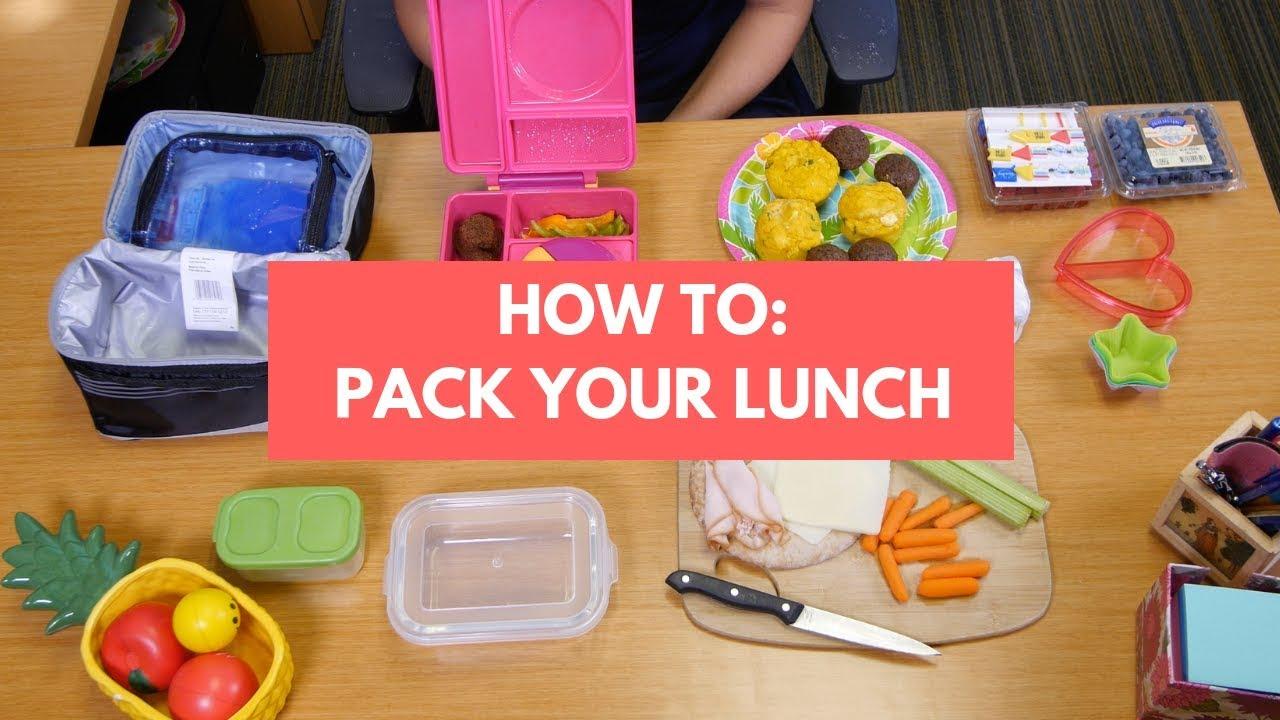
Temperature control is a matter of both food safety and taste. For hot items like soups, macaroni and cheese, or leftover dinner, invest in a high-quality, insulated stainless steel thermos. To maximize its heat retention, fill the thermos with boiling water and let it sit for five minutes to warm the metal. Pour out the water, quickly dry the inside, and add the hot food. For cold lunches, a well-insulated lunch bag paired with two slim ice packs—one placed on the bottom and one on top of the food—will keep dairy, meats, and produce at a safe temperature.
Visual appeal matters immensely to children. We eat with our eyes first, and kids are especially sensitive to how their food is presented. Use silicone baking cups to divide larger containers, keeping wet foods like fruit from touching dry foods like crackers. If you have an extra minute, use small cookie cutters to cut cheeses, melons, or sandwiches into stars or hearts. A tiny bit of novelty goes a long way in encouraging a child to finish their meal.
Finally, prevent browning on fruits like apples or pears by tossing the slices in a small amount of diluted lemon juice or pineapple juice. Alternatively, simply pressing the apple slices back together around the core and securing them with a rubber band will prevent the flesh from oxidizing before lunchtime.
Conclusion: Encouraging Healthy Eating Habits
Transforming the school lunch routine from a stressful chore into a seamless system takes a little bit of upfront effort, but the payoff is substantial. By planning ahead, preparing balanced and engaging recipes, and packing the food thoughtfully, you provide your child with the fuel they need to excel both academically and physically.
Building healthy eating habits is a gradual process. Celebrate the small victories, like an empty vegetable compartment or a request for a new type of fruit, and remain patient on the days when the lunchbox comes back completely untouched. Consistency and involvement are your best tools for raising an intuitive, healthy eater.
Download our free weekly lunch planner template below to start organizing your meals and take the stress out of your morning routine today.

 English
 Arabic
 French
 Spanish
 Portuguese
 Deutsch
 Turkish
 Dutch
Dutch
 Italiano
 Romaian
 Portuguese (Brazil)
 Greek
Greek
