


How Durable Is Genuine Leather Seating?
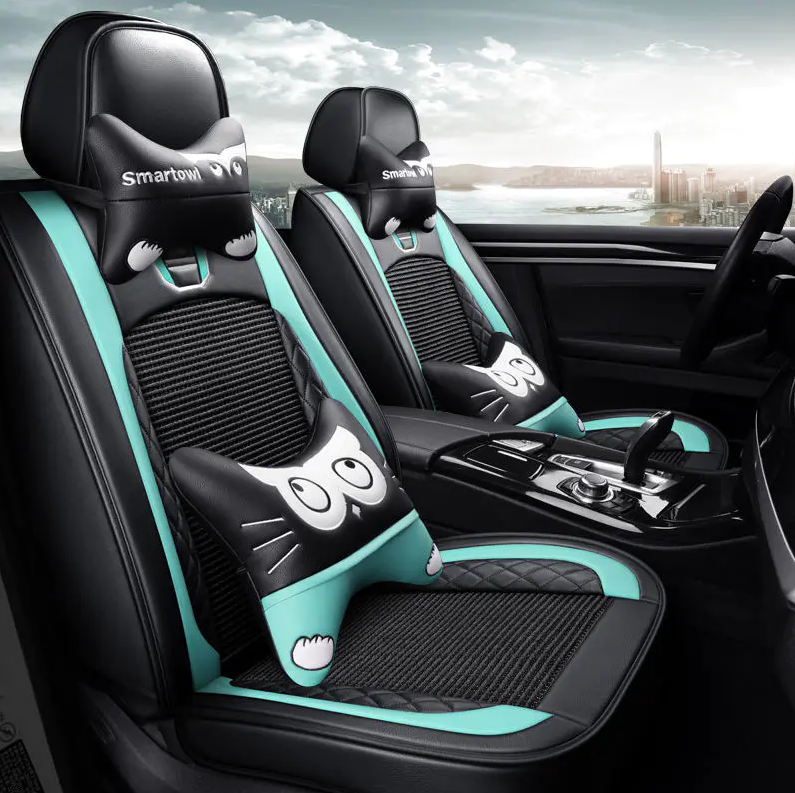
A Genuine Leather Auto Seat Cushion is widely used in vehicle interiors due to its combination of mechanical strength and long service life. However, its performance depends heavily on material grade, environmental exposure, and maintenance practices. Understanding these factors helps explain why leather remains a widely chosen option for automotive seating systems.
Mechanical Strength and Structural Stability
Leather is composed of interwoven collagen fibers that provide natural tensile resistance. In automotive applications, processed leather typically achieves tensile strength values between 15–25 MPa, depending on grain type and finishing method.
When integrated into a seat cushion system, leather is supported by foam substrates that absorb compression loads. High-resilience foam layers commonly used beneath leather covers can withstand compression set values below 10%, meaning they retain over 90% of original shape after repeated loading cycles.
This layered interaction prevents surface deformation while maintaining seating comfort across long-term use.
Stitching and Construction Reinforcement
Durability of a Genuine Leather Auto Seat Cushion is strongly influenced by seam engineering. Industrial stitching often uses lock-stitch patterns with thread spacing between 3–5 mm for balanced tension distribution.
Stress points such as seat bolsters and edge curves are reinforced with double stitching or hidden seam binding. These reinforcements reduce seam failure caused by repeated lateral movement during vehicle entry and exit.
In high-load zones, reinforcement tapes or internal fabric strips may be added to prevent stretching of leather panels over time.
Environmental Resistance Factors
Leather performance varies under heat, humidity, and UV exposure. Inside a parked vehicle, interior temperatures can exceed 60°C, which accelerates moisture evaporation from leather fibers.
Without protective coatings, repeated exposure may lead to surface dryness and micro-cracking. To counter this, automotive leather cushions use UV-resistant coatings and pigment layers that slow down oxidation.
Humidity fluctuations also affect leather flexibility. Ideal relative humidity for storage and use ranges between 40% and 60%, helping maintain fiber elasticity and preventing stiffness.
Maintenance Requirements and Cleaning Behavior
One advantage of leather surfaces is low absorption of liquid contaminants. Spills typically remain on the surface due to sealed coatings, allowing cleaning with mild detergent solutions and microfiber cloths.
However, chemical exposure should be controlled. Strong alcohol-based cleaners can degrade protective finishes, reducing surface integrity over time.
Maintenance cycles for leather cushions typically include:
Surface wiping every 1–2 weeks
Conditioning every 3–6 months depending on climate
Avoidance of prolonged direct sunlight exposure
Conditioning products restore surface oils and maintain flexibility of the upper grain layer.
Wear Patterns in Daily Usage
Daily friction from clothing, especially denim or coarse fabrics, gradually impacts leather gloss levels. This results in localized shine or dulling in high-contact areas such as seat edges and lumbar regions.
Pressure mapping studies show that average driver seat load concentration ranges between 30–45% at the seat base center, making this region more prone to compression wear over time.
Despite these patterns, properly constructed leather cushions maintain functional integrity for extended periods, often exceeding multiple years under normal usage conditions.
Conclusion
Durability of a Genuine Leather Auto Seat Cushion depends on a combination of fiber strength, foam support systems, stitching design, and environmental control. While it requires moderate maintenance, its structural resilience and wear resistance make it suitable for long-term automotive use across various driving conditions.

 English
 Arabic
 French
 Spanish
 Portuguese
 Deutsch
 Turkish
 Dutch
Dutch
 Italiano
 Russian
 Romaian
 Portuguese (Brazil)
