


How Can a PV2R Series Vane Pump Last Longer?
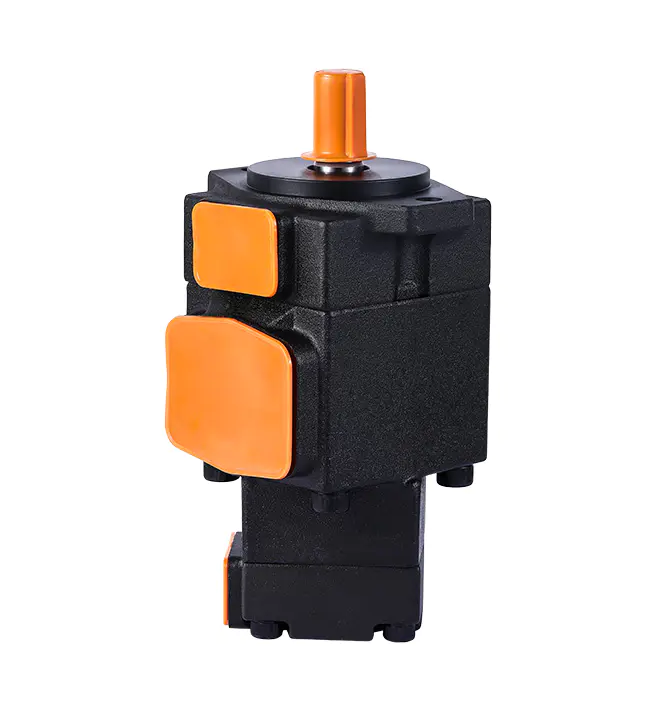
Hydraulic pumps operate under continuous mechanical and hydraulic loads. Even a well-designed pump can experience premature wear if installation and maintenance practices are neglected. Engineers often focus on operating pressure and flow capacity, yet factors such as alignment, oil cleanliness, and suction conditions have a direct impact on service life.
A PV2R Series Vane Pump is designed for industrial hydraulic systems requiring stable oil delivery and relatively low pressure pulsation. Proper setup and routine maintenance help preserve its internal components and maintain system efficiency.
Understanding Internal Operation
Inside the pump housing, a rotor carries several sliding vanes that move against the cam ring.
During rotation:
Chamber volume expands.
Hydraulic oil enters the inlet.
Chamber volume decreases.
Oil exits under pressure.
Each revolution repeats this cycle many times, producing continuous hydraulic flow.
The moving vanes depend on hydraulic lubrication. Poor oil quality or contaminated fluid can increase wear between the vane tips and cam ring.
Shaft Alignment Matters
Pump installation begins with shaft alignment.
A motor and pump should rotate on the same centerline. Excessive misalignment creates:
Bearing stress
Shaft seal wear
Coupling vibration
Increased noise
Industry guidance for PV2R pumps recommends close shaft alignment tolerances, while rigid couplings are generally avoided because they transfer excessive loads to the pump shaft. Flexible couplings help absorb minor movement.
Suction Line Design
The suction side of a hydraulic pump receives less attention than the pressure side, but it has a significant influence on pump life.
Good suction piping should have:
Large internal diameter
Short pipe length
Smooth bends
Minimal restrictions
Excessive suction resistance may create cavitation.
Cavitation occurs when vapor bubbles form and collapse inside the pump. Repeated bubble collapse can damage internal surfaces and reduce hydraulic efficiency.
Installation recommendations suggest maintaining relatively low inlet velocity and avoiding unnecessary pipe restrictions.
Hydraulic Oil Selection
Oil performs several functions:
Lubrication
Cooling
Power transmission
Corrosion protection
Contaminant transport
Common hydraulic oil grades include ISO VG 32, 46, and 68.
Oil selection depends on:
Ambient temperature
Operating temperature
Pump speed
System pressure
Oil viscosity that is too low may reduce lubrication, while excessively thick oil can increase starting resistance.
Technical Operating Range
A PV2R Series Vane Pump is available in several sizes.
Typical specifications include:
Pressure up to 21 MPa
Speed from 600 to 1800 rpm
Multiple displacement capacities
Open hydraulic circuits
Large displacement models provide higher flow while maintaining similar operating principles.
Filter Maintenance
Hydraulic contamination is one of the common causes of component wear.
Particles may originate from:
Hose degradation
Cylinder wear
Reservoir contamination
Assembly debris
External dust
Filter replacement intervals should match operating conditions.
Maintenance personnel often monitor:
Pressure drop across filters
Oil cleanliness
Reservoir condition
Clean hydraulic oil supports vane movement and reduces abrasive wear.
Temperature Control
Hydraulic systems generate heat during operation.
High temperatures may:
Reduce oil viscosity
Accelerate seal aging
Increase oxidation
Reduce lubrication quality
A hydraulic cooling system can help maintain stable operating conditions.
Reservoir sizing also contributes to heat dissipation by allowing oil to cool before recirculation.
Monitoring Pump Performance
Operators can identify developing problems before major failures occur.
Common warning signs include:
Noise increase:
Possible cavitation or bearing wear.
Pressure fluctuation:
Valve problems or internal leakage.
Temperature rise:
Restricted flow or lubrication issues.
Oil leakage:
Seal deterioration.
Vibration:
Alignment or coupling problems.
Routine inspection records help maintenance teams identify trends over time.
Industrial Applications
A PV2R Series Vane Pump supports various hydraulic systems, including:
CNC equipment
Plastic machinery
Rubber processing lines
Forging presses
Cutting machines
Hydraulic power units
These applications benefit from steady flow and controlled hydraulic output.
Spare Parts Planning
Preventive maintenance often includes keeping essential spare parts available.
Typical inventory items:
Shaft seals
Bearings
Vanes
Cam rings
O-rings
Couplings
Hydraulic filters
Planned replacement schedules may reduce unexpected production interruptions.
Long-Term Reliability
Hydraulic pumps perform thousands of operating hours under changing loads. Mechanical design provides the foundation for durability, but daily operating practices influence long-term results.
A PV2R Series Vane Pump can maintain stable hydraulic performance through proper shaft alignment, suitable suction piping, clean hydraulic oil, controlled operating temperatures, and regular inspection. Attention to these practical details helps reduce component wear while supporting consistent hydraulic power in industrial equipment.

 English
 Arabic
 French
 Spanish
 Portuguese
 Deutsch
 Turkish
 Dutch
Dutch
 Italiano
 Romaian
 Portuguese (Brazil)
 Greek
Greek
